Intimate Revolution
An excerpt from Emotional Justice on redefining Black women’s relationship to labor

An excerpt from Emotional Justice on redefining Black women’s relationship to labor

What big international NGOs—BINGOs—need to learn about growing external social enterprise solutions.

Racial equity can’t be thought of solely as a funding priority; it must be a critical component of philanthropy’s own way of being.
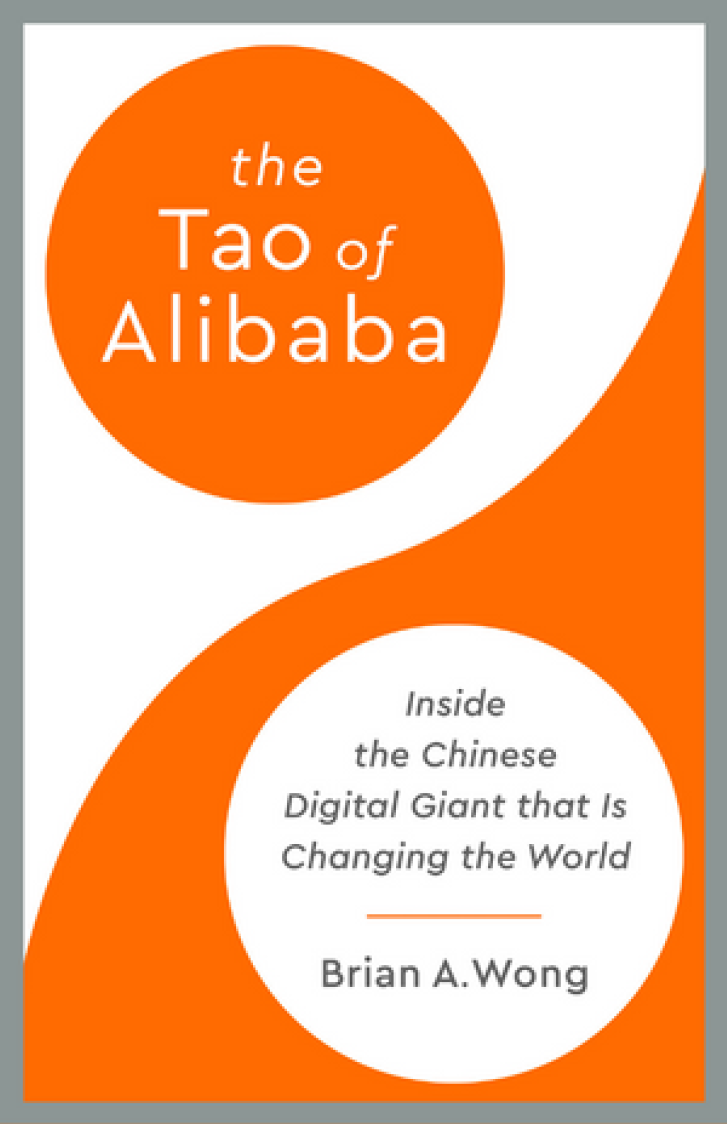
An excerpt from The Tao of Alibaba on the new digital frontier in developing economies

As the field of social entrepreneurship is engaged in finding solutions for social inequalities, it often falls short of creating opportunities for those who suffer most from those inequalities to become protagonists.

Five lessons from a South Korean early-stage nonprofit on why establishing good governance from the beginning matters and how to adapt governance practices as an organization grows.

We’re all better off when we’re all better off.

Ahead of the 2023 Frontiers of Social Innovation conference, “The Role of Social Innovation in Democracy,” a collection of articles exploring ways philanthropy, nonprofits, and civic institutions can ensure a more just and democratic society