


Environment
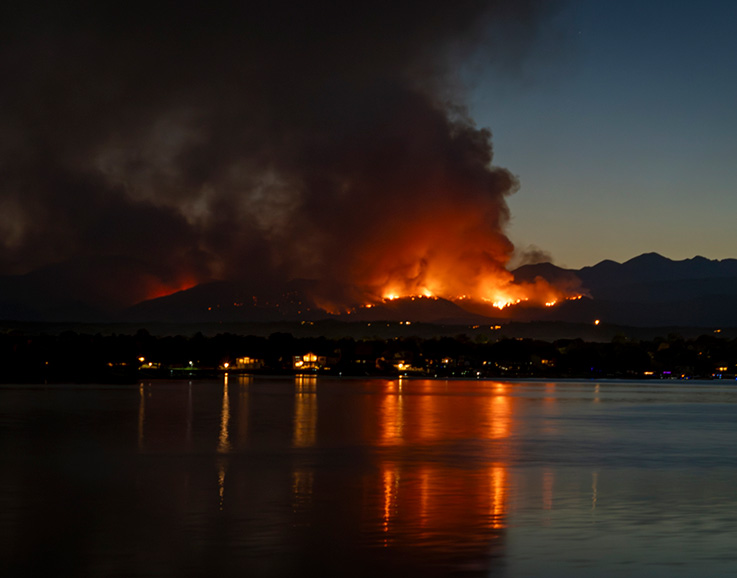
Risk and Responsibility in the Wildfire Crisis
The climate-driven wildfire crisis calls for a comprehensive, cross-sector approach to funding, research, and action.

The Environmental Justice Resourcing Collective was created to fund work led by and for communities most impacted by environmental racism, climate change, and unjust systems. Four years later, what lessons can funders draw from our experiences supporting frontline communities?
The climate-driven wildfire crisis calls for a comprehensive, cross-sector approach to funding, research, and action.

The Icelandic startup Melta transforms community food waste into fertilizer, with the goal of cutting emissions and promoting sustainable farming in Iceland.
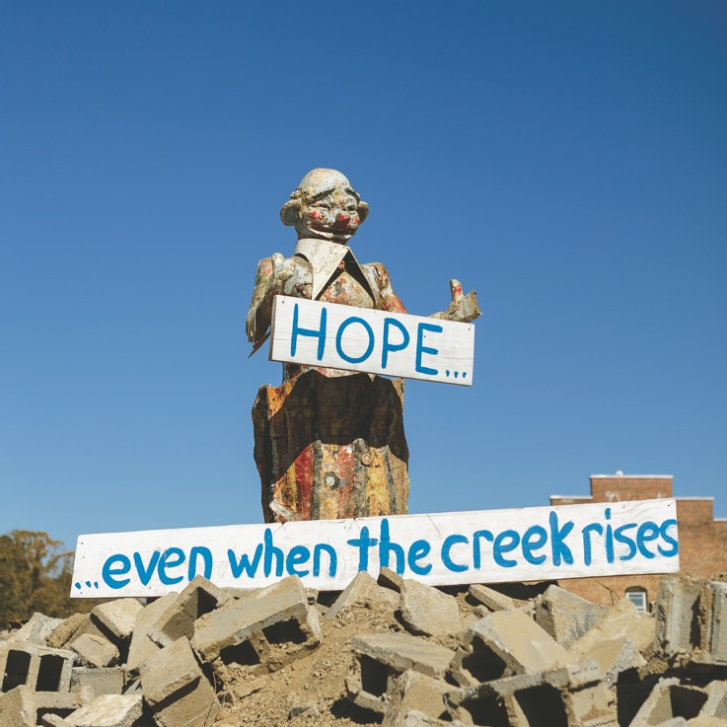
Appalachia's trust-based recovery from climate disaster offers a vision of the future and a road map to follow, for anywhere in the world where underdeveloped infrastructure is exposed to climate volatility.
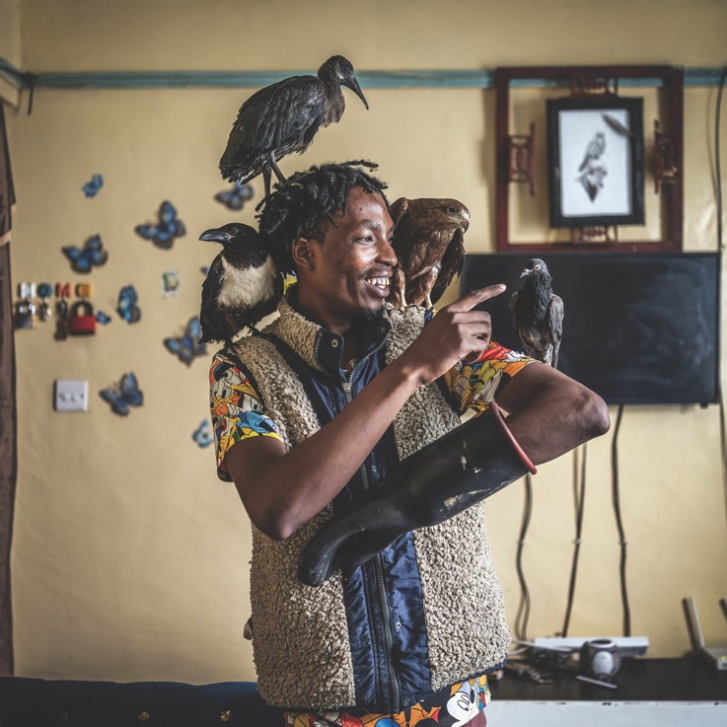
Rodgers Oloo Magutha, 28, has become a local celebrity for rescuing and rehabilitating injured and orphaned wild birds in his one-room apartment in Nairobi.
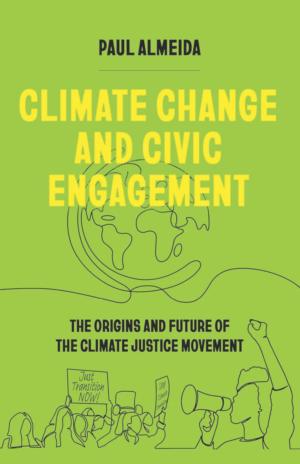
In Paul Almeida's Climate Change and Civic Engagement, the only pathway forward is broad worker-based civic alliances that go beyond narrow elite-driven technological decarbonization.

Ruta Azul, the sustainability and climate action plan of the Mexican university Tecnológico de Monterrey, has integrated sustainability into the school’s culture and educational model to build a community capable of addressing the climate crisis through coordinated action.

Green hydrogen partnerships in the Middle East and North Africa are sidelining the civil society organizations they claim to empower, repeating the sins of colonialism.


The key to creating a vibrant and sustainable company is to find ways to get all employees personally engaged in day-to-day corporate sustainability efforts.

The era of corporations integrating sustainable practices is being surpassed by a new age of corporations actively transforming the market to make it more sustainable. Open access to this article is made possible by The Regents of the University of Michigan on behalf of the Erb Institute.

For much of its history, Wal-Mart’s corporate management team toiled inside its “Bentonville Bubble,” narrowly focused on operational efficiency, growth, and profits. But now the world's largest retailer has widened its sights, building networks of employees, nonprofits, government agencies, and suppliers to “green” its supply chains. Here's how and why the world’s largest retailer is using a network approach to decrease its environmental footprint – and to increase its profitability.

To do as much good as possible with limited resources, funders should look to woefully underfunded protest movements.

Using artificial intelligence to predict behavior can lead to devastating policy mistakes. Health and development programs must learn to apply causal models that better explain why people behave the way they do to help identify the most effective levers for change.