


Beyond Participation to Real Power
How to build fair sustainability partnerships with local communities
Innovations in environmental protection and conserving natural resources (more)

How to build fair sustainability partnerships with local communities

As ecological crises grow more complex, cultivating Earth awareness—a deeper awareness of our interdependence with the Earth and all beings—may be one of the most overlooked dimensions of meaningful climate action.

Pueblo teachings of reciprocity offer a different way of understanding well-being, community, and our relationship with the living world.

A Buddhist perspective suggests that the ecological crisis reflects a deeper crisis of separation and invites us to reconsider where we look for meaning.

Universities can teach students about climate change and how to respond to it.

Andean Indigenous knowledge and emerging science point to a shared insight: Well-being emerges through our relationships with one another and the living world.

Transformative change is not only about reaching more people—it is about cultivating patterns of being, relating, and acting that can reshape systems across scales.

The global outlook is bleak, but a deeper diagnosis of our interconnected crises reveals an overlooked path to systems change: integrating inner and outer transformation.
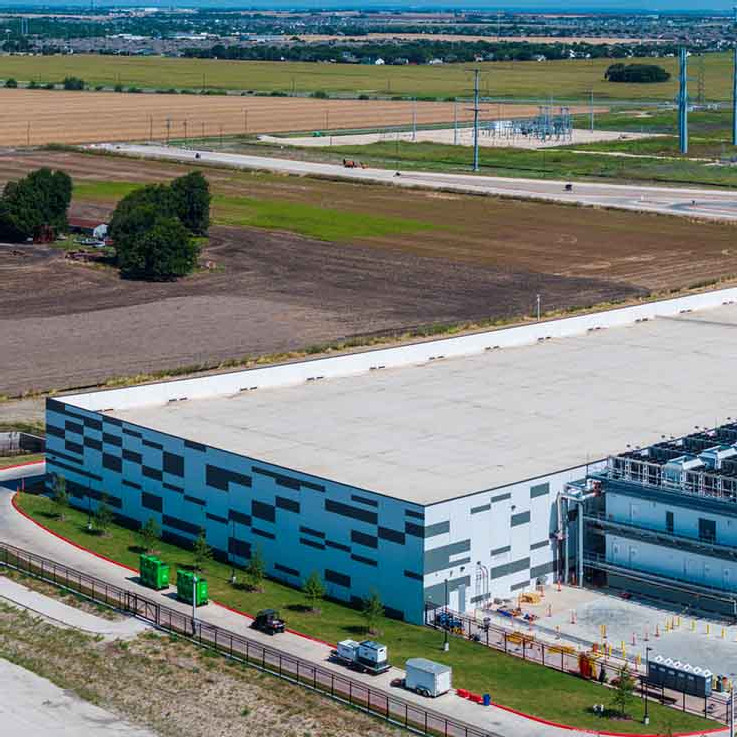
The backlash we are witnessing reflects both a public frustration with how data centers are being built and growing distrust of what the data center build-out is powering. It is a two-tiered problem that must be tackled in tandem.

Ahead of COP31, the test for climate finance is no longer what gets announced; it is whether money reaches the systems that protect people.