


Social Enterprise
The Societal Role of Social Entrepreneurship
How can social entrepreneurship promote social justice? An unlikely source provides an unambiguous and practical framework.
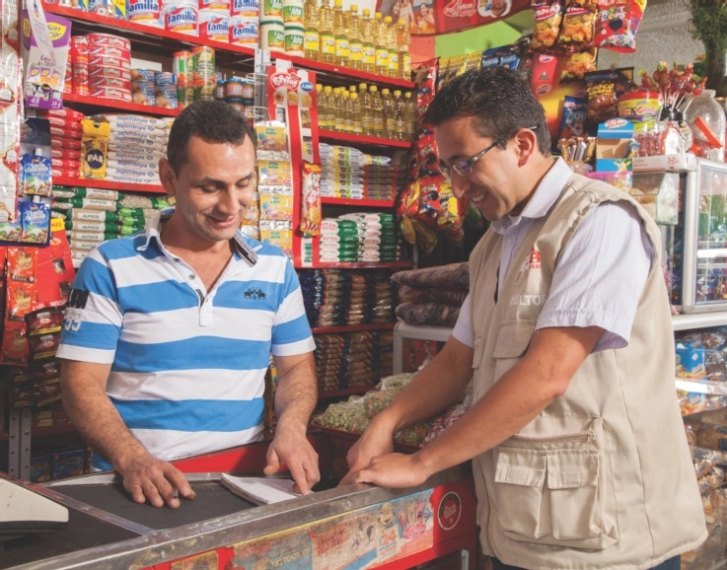
Forty years ago, FUNDES launched to serve small enterprises in Latin America. The organization had to reinvent itself many times to survive but continues to support the region’s economic and social development. | Open access to this article made possible by the University of Geneva
How can social entrepreneurship promote social justice? An unlikely source provides an unambiguous and practical framework.

Research demonstrates that social enterprises are political actors that seek to influence public policy and sociocultural norms.

Funders and founders need a better taxonomy for segmenting the impact market.

Lessons from Wesleyan on entrepreneurial education

How impact investing should redefine success

Choosing the right path to scale depends on the nature of the problem we're trying to solve.

Social innovation means building a road to the future that doesn't yet exist, without lowering standards.


Social entrepreneurship is attracting growing amounts of talent, money, and attention, but along with its increasing popularity has come less certainty about what exactly a social entrepreneur is and does.

By working closely with the clients and consumers, design thinking allows high-impact solutions to social problems to bubble up from below rather than being imposed from the top.

Fair Trade-certified coffee is growing in sales, but strict certification requirements are resulting in uneven economic advantages for coffee growers and lower quality coffee for consumers.

Social entrepreneurship and social enterprise have become popular and positive rallying points for those trying to improve the world, but social innovation is a better vehicle for understanding and creating social change in all of its manifestations.

Understanding these six important differences will both facilitate better conversations and help channel funds appropriately.