


How Profit Sharing Redistributes Wealth
French profit-sharing rules improve the pay of lower-skilled workers without affecting the growth or productivity of firms.

French profit-sharing rules improve the pay of lower-skilled workers without affecting the growth or productivity of firms.

Seeing an AI disclosure on a social post leads users to disengage, because they feel the creator spent less effort on making it.

Civil servants are more likely to resist authoritarianism when they are supported by peers, ombuds offices, and professional associations.
CEOs who take political stances command more credibility with the public when their companies embrace corporate social responsibility.

Children can be taught to identify false health claims online, and the benefits can spread to their parents.

Newly hired managers do better when integrated slowly into firm operations.
Employees experiencing mental illness successfully manage their symptoms by disengaging from some aspects of their jobs and engaging in others.

Research demonstrates that people feel less lonely when they interact with AI companion chatbots that make them feel heard.
A grassroots collective of Iraqi entrepreneurs softened their ambitions when faced with funding shortfalls and corporate offers.

China took a pragmatic approach to adopting social enterprises as a new organizational form.
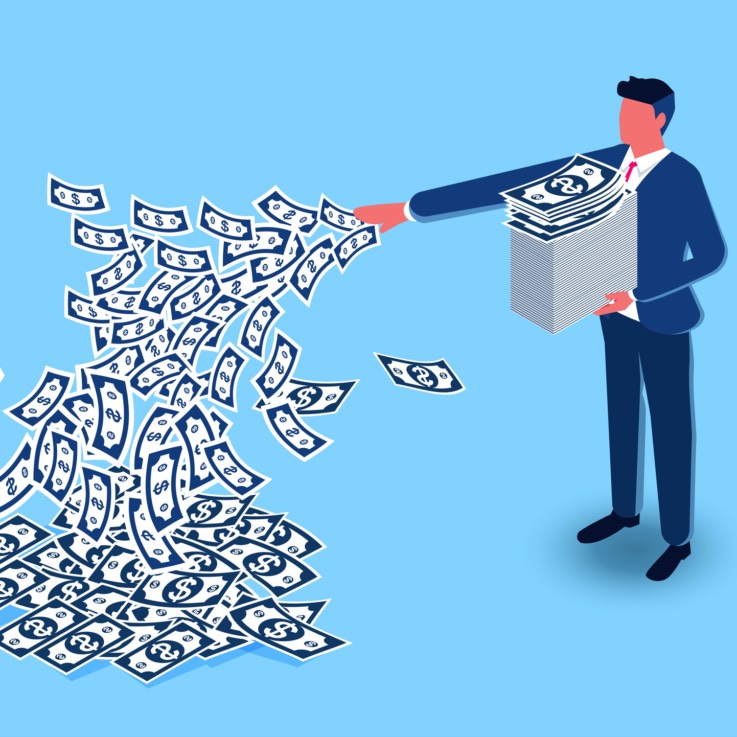
Companies in Taiwan with ties to the ruling party invested in public welfare to reduce the potential for popular backlash during the nation’s democratic transition.

Low-income white families in Los Angeles have easier time finding new rental housing than low-income Latino families because of access to greater resources and social networks.

The Batwa tribe of Democratic Republic of Congo demonstrates that the role of Indigenous peoples in forest protection defies stereotypes.

Push for short-term gains generates greater complaints about ESG issues among stakeholders.

Research demonstrates that social enterprises are political actors that seek to influence public policy and sociocultural norms.

Companies that adopt nonhierarchical organizational structures require deliberate efforts and collective planning to succeed.

Accusations that protest movements are receiving foreign support are effective at reducing their public appeal.

A study of worker-owned cooperatives demonstrates how people see their civic engagement, whether in the workplace or out in the world, as one and the same activity.

Formerly incarcerated individuals who face employment discrimination are more likely to pursue entrepreneurship.

Private companies and public institutions struggle to get as much done together as private companies working together in groups.
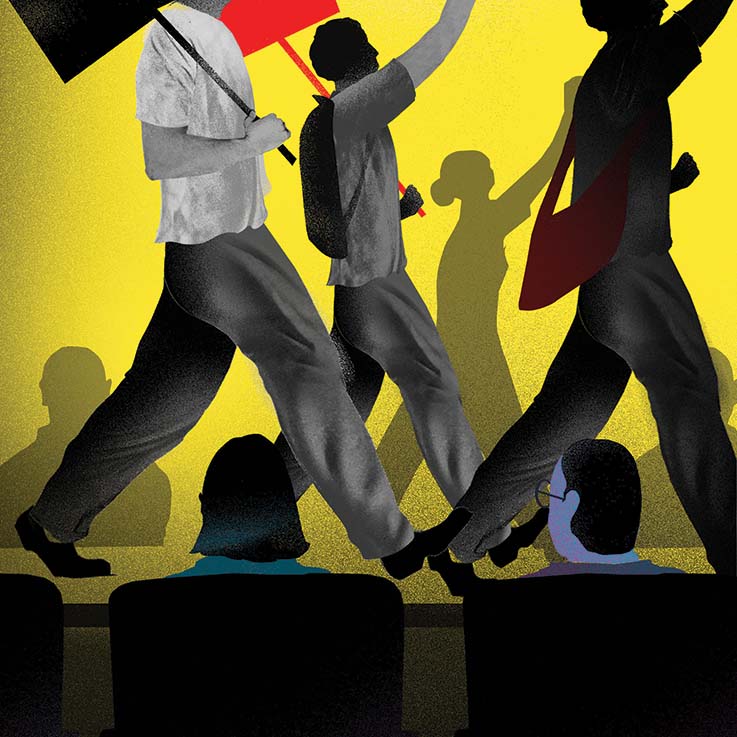
Women’s March protests convinced companies to select more female board members.

Incivility between doctors and nurses leads to higher rates of patient death and medical errors.

An international study suggests remedies for online disinformation like accuracy prompts and crowdsourcing are broadly effective across cultures and nations.
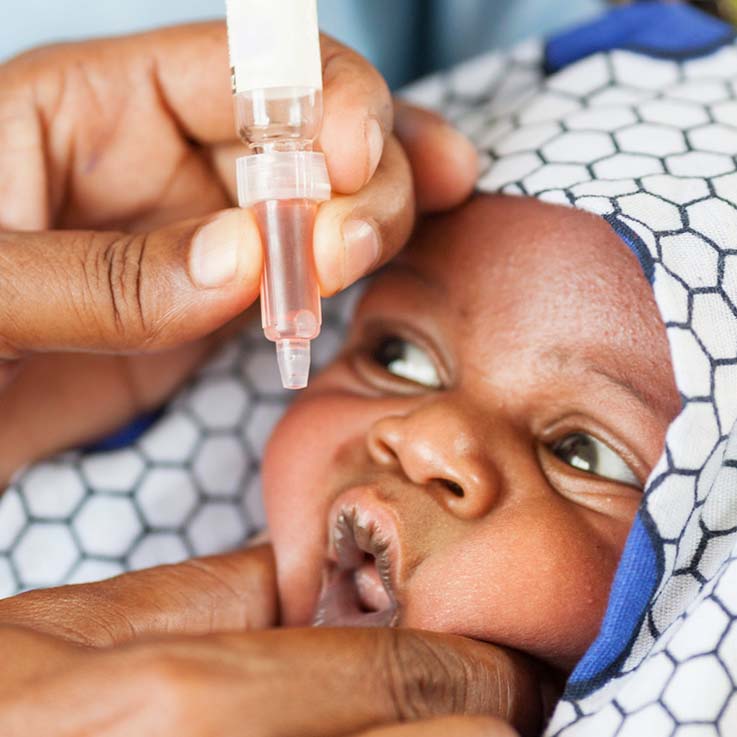
Performance-based incentives, auditing, and feedback boost performance at health centers in the Democratic Republic of Congo.

Classrooms shape students’ ideas of merit differently, depending on their social class.

Google search trends worldwide suggest that human rights will continue to resonate with resistance movements in the Global South.

Indian companies tend to spend required social outlays on important stakeholder groups.


Tweets about local air quality from US embassies around the world reduced local pollution and improved health.

Palliative measures such as needle-exchange programs form a third model of neoliberal urban-poverty governance alongside policing and paternalism.
People who receive help earlier in a task feel better about the aid than those who receive it toward the end.

Certification helps legitimize nonprofits and boosts their fundraising, even in authoritarian contexts.
Regular corporations and B Corps continue to fight for dominance over the corporate social responsibility label.

Charitable donors prefer to give time instead of money because they feel they have more control over their donated time.

The public trusts major international organizations far less than the ruling class.
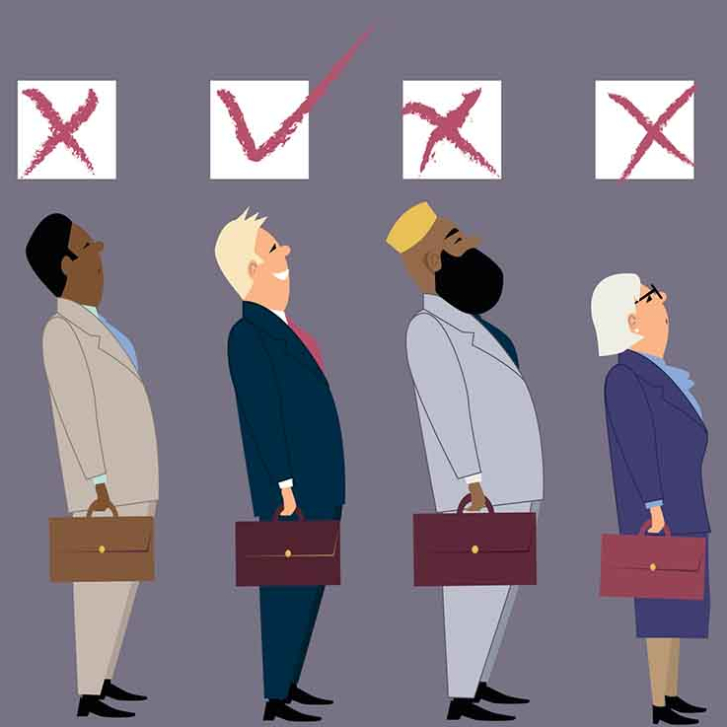
Hiring managers focus on qualities they deem relevant to the job, even if applying those qualities may be discriminatory.
Bossy managers can induce staffers to be less supportive of colleagues.

Corporate donations tend to generate supportive regulatory comments from their nonprofit recipients.

Employees who volunteer for social impact work may see careers harmed by sexist biases.

Targeted scholarships may draw underrepresented groups away from more lucrative funding.

The hacktivist collective built a framework to encourage and guide participation without direct oversight.

Partnerships between nonprofit service providers and government agencies to address homelessness are more effective when the former play a leading role.
AI-driven food-delivery platforms create greater distrust and labor unrest among gig workers.

Police violence leads to worse educational outcomes and youth mental health in the immediate vicinity of incidents.

People who have moved tend to be more inclined to donate to non-local causes.
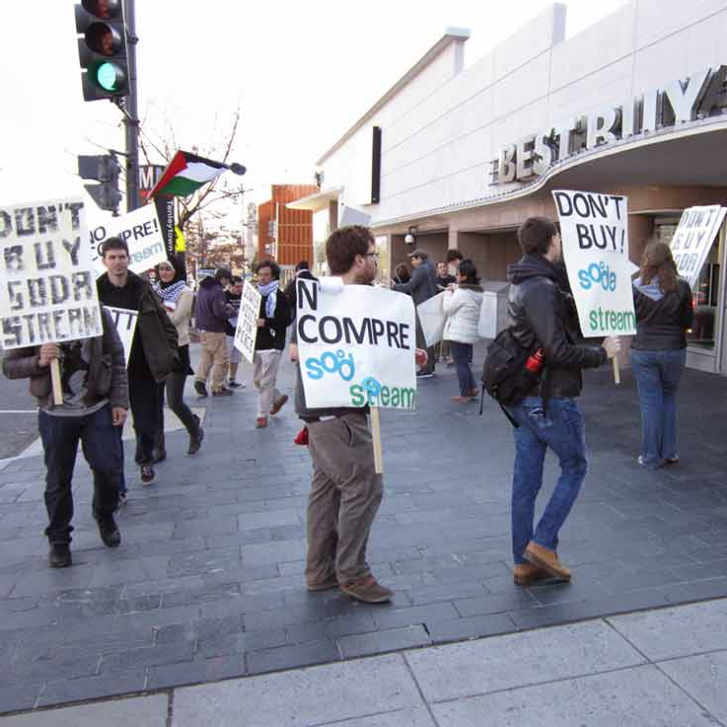
Social movement boycotts increase board turnover, especially when board members are sympathetic to the cause at issue.

Social-impact reports using language imported from business, finance, accounting, and corporate human resources cause nonprofit employees to feel estranged from their own values and the purported values of their organizations. A Research article from the Fall 2019 issue.

States that undergo a process of transitional justice are selective about the international norms they adopt. A Research article from the Fall 2019 issue.

Performance-based pay forces many employees to choose between leaving or suffering mental illness. A research report from the Summer 2019 issue.

Black students attend college at greater rates than expected, given their socioeconomic disadvantages, and thereby attain more degrees than expected.

Funds that invest in social goals inevitably confront tensions with the goal of making money.

Being imprisoned hurts people’s prospects for employment by taking them out of the job market.

NASA motivated employees by making a connection between their everyday work and the agency’s loftiest goal.

Charitable givers see their decisions as subjective and view “effectiveness” as one among many criteria that should guide their donations.

Research shows that foundations are motivated by impact in their grantmaking.

Foundations are shifting their higher-education funding to outside organizations that promote initiatives they favor.

Social enterprises must navigate the contradictory pulls of social and for-profit goals without tipping too far to one side.

For-profits and nonprofits play different roles in bidding for international development contracts.


The ability of teachers to improve students’ non-cognitive abilities may have greater importance than test scores.

The idea for a New York City botanical garden needed a suitable milieu to flourish.
Not every group could gain corporate rights in de Tocqueville’s America.

The funding ecosystem has a greater role to play in the survival of nonprofits than their internal structure.


Community-based organizations play a larger role in deciding development projects than local politicians.
