


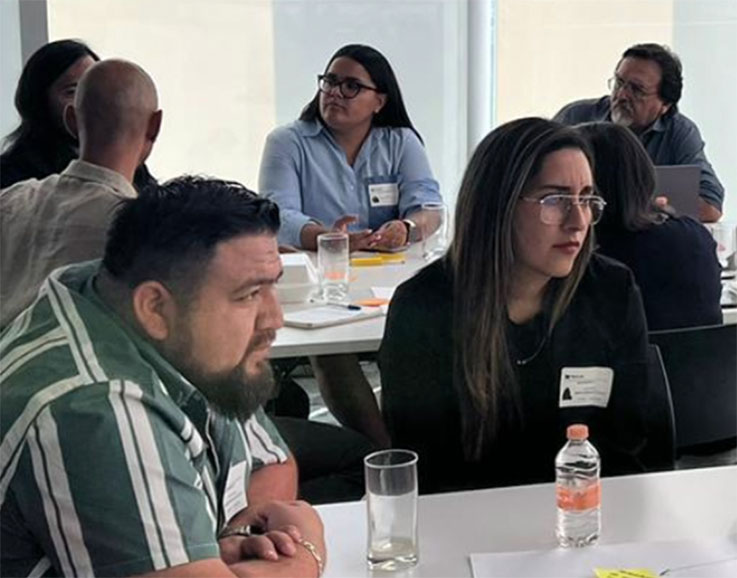

Personal stories that highlight humility and vulnerability can overcome mistrust and polarization.
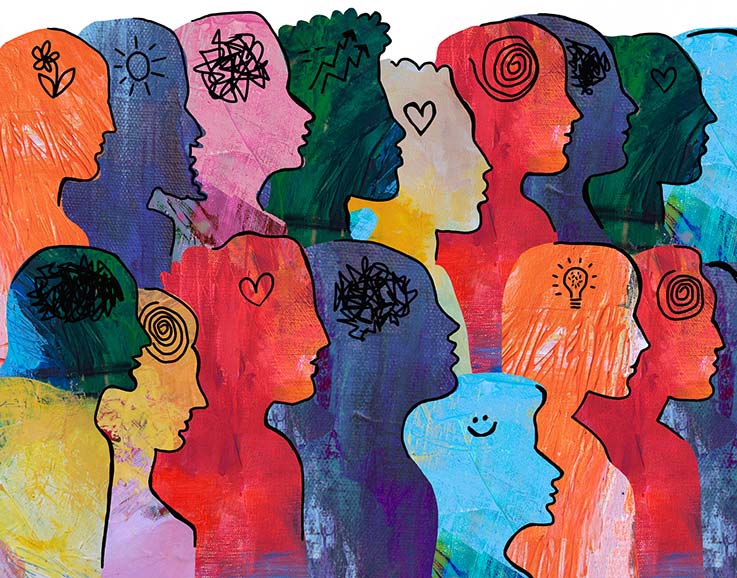
Mission-driven organizations should look beyond the tech sector and build AI partnerships with academia, CBOs, artists, and foundations.
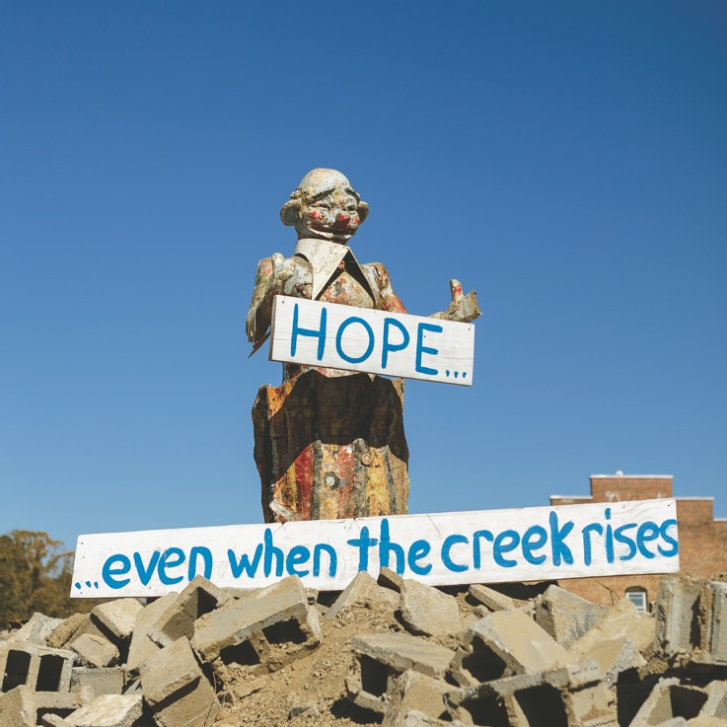
Appalachia's trust-based recovery from climate disaster offers a vision of the future and a road map to follow, for anywhere in the world where underdeveloped infrastructure is exposed to climate volatility.
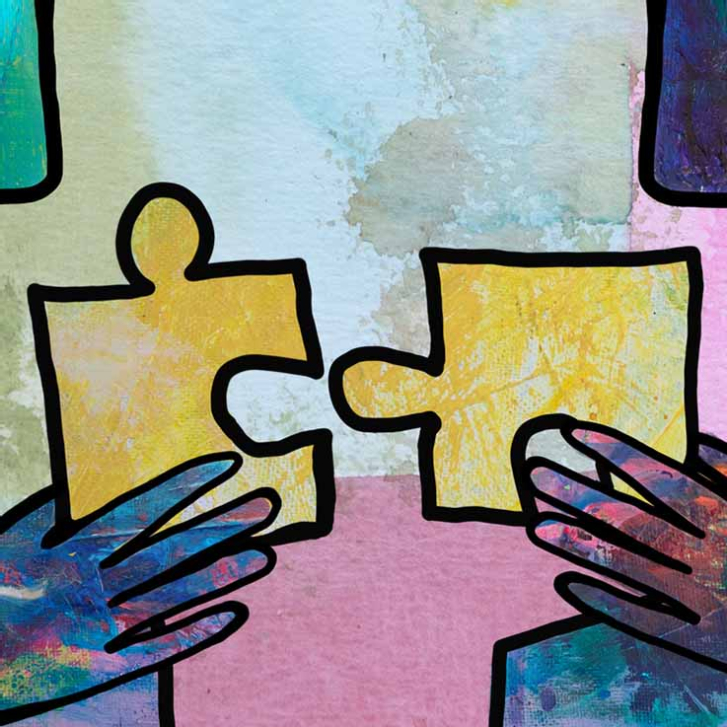
As the industry and its financial model become increasingly precarious, a reimagining of how performing arts organizations can operate more efficiently is critical for survival.

Building power in communities now will protect them from the next threat to democracy.

When the village cannot wait, philanthropy must learn from community.
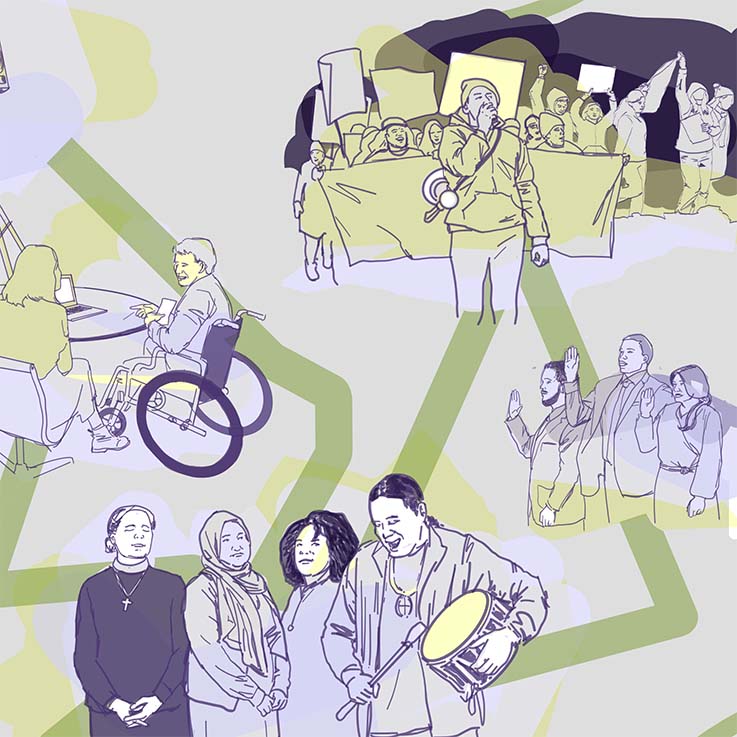


Large-scale social change requires broad cross-sector coordination, not the isolated intervention of individual organizations.

Professionalism has become coded language for white favoritism in workplace practices that more often than not leave behind people of color. This is the fourth of 10 articles in a special series about diversity, equity, and inclusion.

Conventional wisdom says that scaling social innovation starts with strengthening internal management capabilities. This study of 12 high-impact nonprofits, however, shows that real social change happens when organizations go outside their own walls and find creative ways to enlist the help of others.

Business leaders play vital roles in the nonprofit sector – as board members, donors, partners, and even executives. Yet all too often they underestimate the unique challenges of managing nonprofit organizations.

The deep changes necessary to accelerate progress against society's most intractable problems require someone who catalyzes collective leadership.