


The Gift of the Body
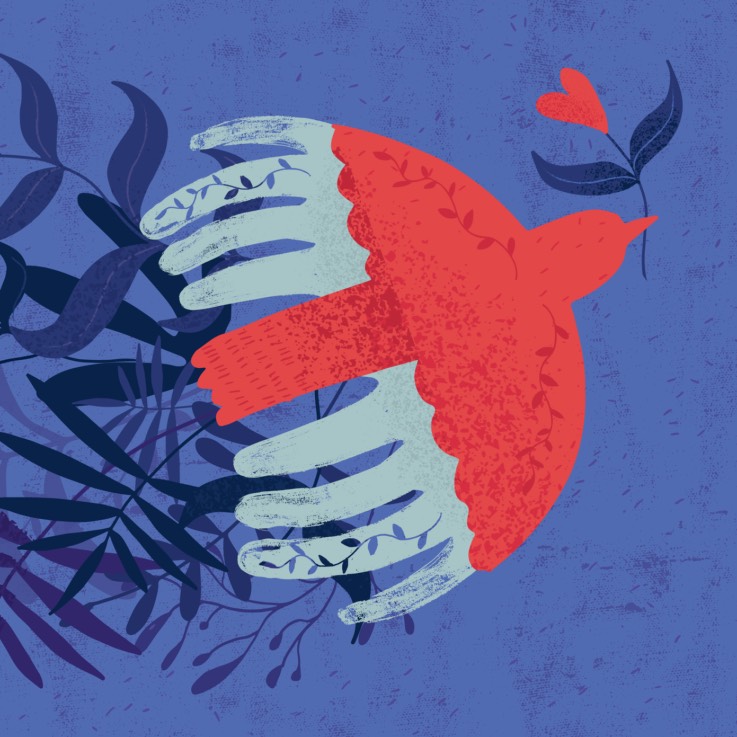
Singapore has more legally permissive rules than Taiwan on organ donation consent, but Taiwan has greater donation rates because of the infrastructure of consent that its medical system has built.

Singapore has more legally permissive rules than Taiwan on organ donation consent, but Taiwan has greater donation rates because of the infrastructure of consent that its medical system has built.

Even when landlords use algorithms for tenant screenings, exceptions to the rules are part of the process.

Although climate discourse has expressed increasing urgency over time, it has retained the same temporal outlooks for climate effects and action.

Excessive screen time, largely spent on gaming apps, is contagious and lowers students' grades and post-graduate income, a Chinese study reveals.

Brazil's commitment to social inclusion and equity has boosted its young democracy.

Colleges have subtle ways of welcoming certain groups of applicants while deterring others.
After Colombia's civil war, the government reinstituted state authority in remote jungle regions by working with community leaders to satisfy local needs.
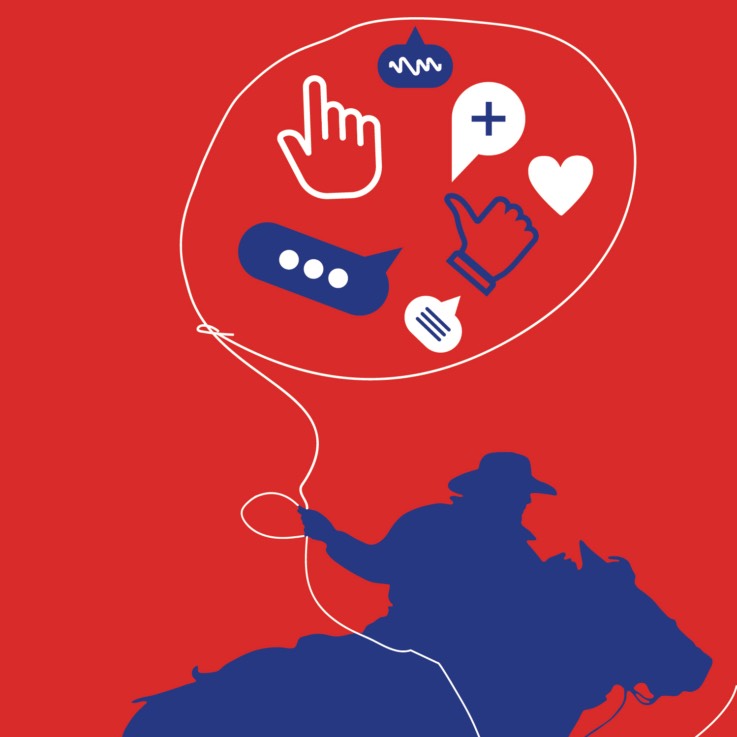
Digital tools have eased the challenges of recruitment, but fostering long-term engagement remains a problem.

A Brazilian law to promote more inclusive corporate philanthropy failed to direct more money to underserved communities.
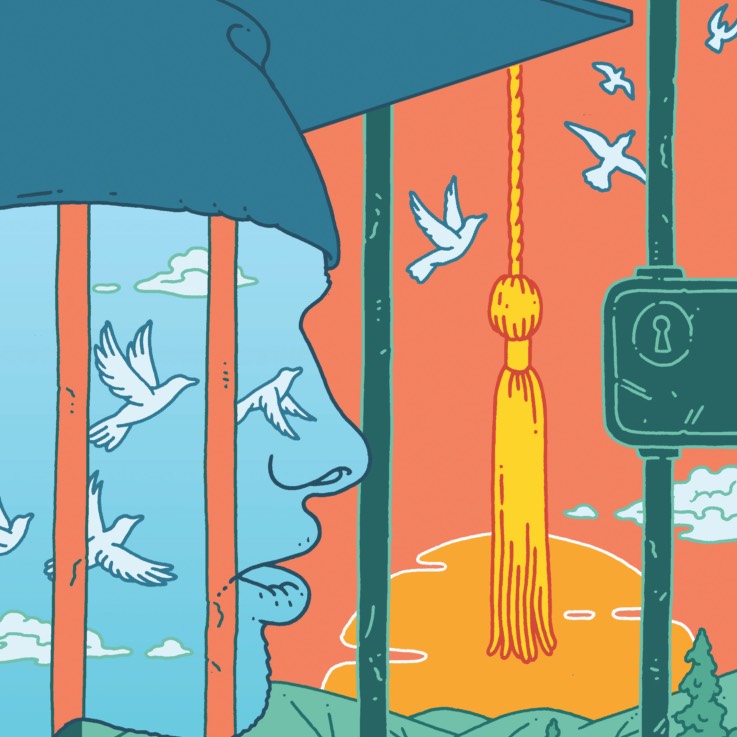
Sheriffs in Genesee County, Michigan, created an education and job-training program for inmates that reduced recidivism by transforming jail culture.

A nationwide educational program in Mexico that dispatched mentors to schools succeeded by sparking greater parental involvement.

A teachers’ union brings together members from opposed political sides by focusing on community interests.

The disappearance of the recycling coordinator role, is a testament to an environmental success story: the institutionalization of recycling in higher education.


Personal stories that highlight humility and vulnerability can overcome mistrust and polarization.

Scientific reasoning and information prove effective in defusing conspiracy beliefs.

The structures that participants in a collaboration create to work together are critical to its success.

Government agencies are more likely to incorporate effective interventions if they apply to activities they are already doing.

Large-scale implementation of universal basic income can decrease overall welfare.


Microfinance relies on social networks for repayment, but those same networks can backfire during a financial crisis.

Police shootings of unarmed individuals increase civic engagement among local Black and Hispanic residents.

Technology tools used to identify racially diverse candidates made employees at one company feel like Black and brown candidates were being commodified.

Employees are more likely to use their employers to engage in activism when the potential for garnering attention is high and the risk low.

Appeals for donations should be strategic about framing the request in terms of “need” or “want.”

Shifting consumer values can combine with market forces to green the economy.

Collaborations of diverse stakeholders confront predictable governance traps.

Investors exert more influence over corporate management through engagement than through boycotts and divestment.

Mentors are more effective when they see mentorship as a learning opportunity.

Managers often communicate less than they should, giving employees the impression that they lack empathy.

Framework for refugee protection in Rwanda creates systemic barriers to helping refugees in the long term.

Cash transfers to low-income, first-time parents can make an enormous difference to the long-term well-being of their children.

When done right, corporate-community investment can be mutually beneficial for companies and communities.

Even voters who favor female candidates may withhold support because of worries about their ability to win.

Diverse teams function well only under the right leadership structure.

Performance measurement can help employees see value and meaning in their work.

Researchers find that relationship-building exercises between troubled students and their teachers cut recidivism.

Social enterprises do more for communities by eschewing the Silicon Valley model.

Education stops intergenerational transmission of disadvantages, Danish administrative data shows.

Misperception of men’s private beliefs about gender bias can undermine their willingness to speak up against it.

Activists use moral analogies with rogue industries and states to stigmatize fossil fuels.

Frontline professionals are obligated to serve everyone who comes through their doors. Researchers investigate how they balance risk, moral emotions, and fear during a global health emergency.

Employment helps immigrants identify with the organizations they work for and integrate with society at large.

Selfless behavior of key individuals is critical to the development of local institutions for self-governance.
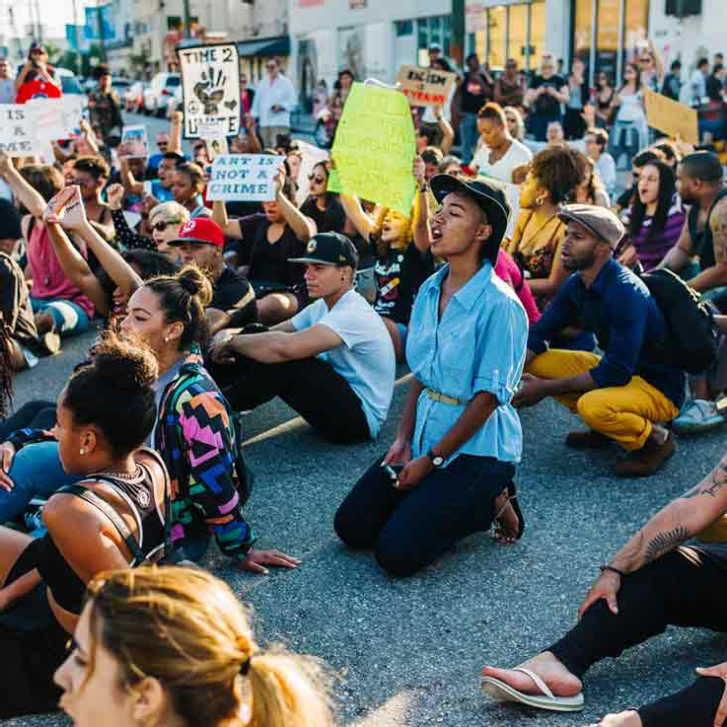
Protest actions seen as extreme and highly disruptive diminish popular support.
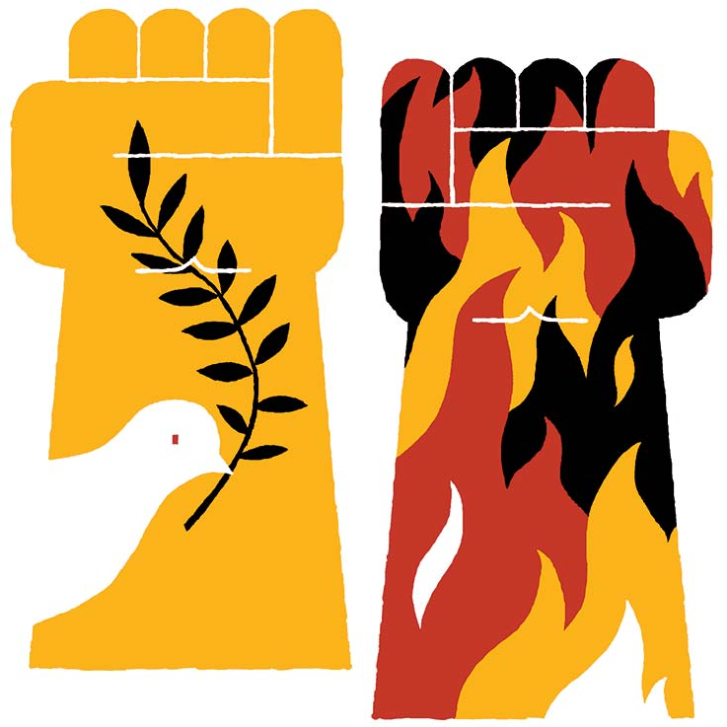
The Black protests of the US civil rights era influenced the national political agenda via the media coverage they received.

Companies use charitable giving to disguise political lobbying.

Racial inequality exacerbates the oppressive scheduling faced by service sector workers.

Financial program to help microenterprises in Tanzania fails to take historical context into account.

Changes to college admissions that improve the prospects of low-income families could boost economic equality.

Minority and women researchers have more novel ideas, but they are less likely to be adopted by the scientific mainstream.

Nonprofit hospitals have long commercialized their services to cover their costs. A research article in the Summer 2020 issue.
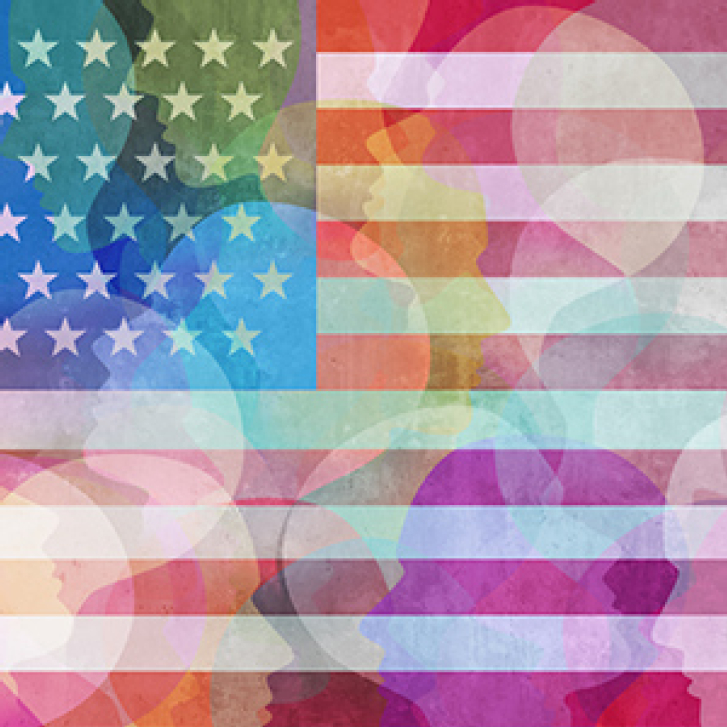
Charitable organizations have become political intermediaries for corporations and other powerful interests. A research article in the Summer 2020 issue.

Two researchers have identified what they call “the greenconsumption effect," defined as “warm glow feelings” that accompany the use of environmentally friendly products. A Research article from the Spring 2020 issue.

In a new paper, organizational management scholars Lisa Hehenberger, Johanna Mair, and Ashley Metz take a critical look at the burgeoning sector of impact investing by drawing on 12 years of data from Europe. A Research article from the Spring 2020 issue.

Michela Musto's research scrutinized two classroom dynamics: how educators—mostly white college-educated women—enforced rules or responded to boys breaking them; and how educators disciplined white, Asian-American, and Latino boys differently. A Research article from the Winter 2020 issue.

A new research paper reconstructs how an international children’s rights organization worked in Indonesia to disrupt child marriage, a guarded institution in the country. Research from the Winter 2020 issue.