



Leadership
The Strategic Art of Ambiguity
When the deck is stacked against change, ambiguous actions can change the game.
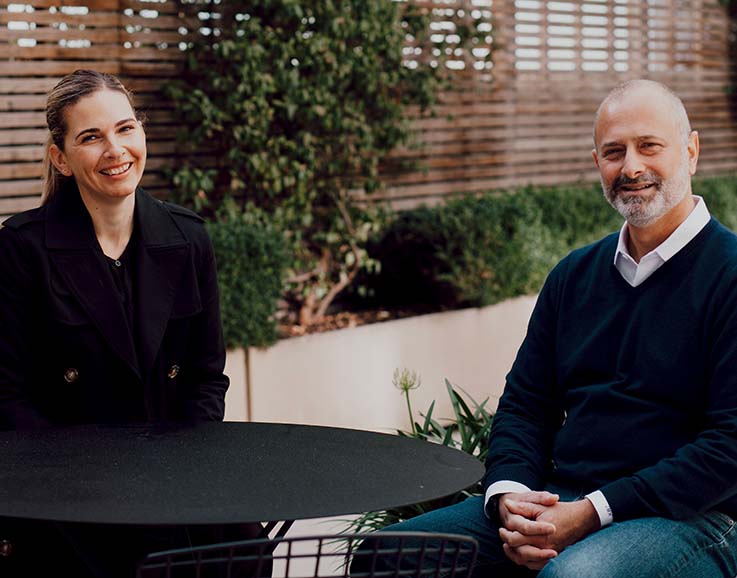
Shared leadership models can be transformative, but require building an organization-wide culture of collectivity, sharing, and generosity.
When the deck is stacked against change, ambiguous actions can change the game.

D. Christopher Kayes offers a compassionate, albeit slim, guide to resilience-building for leaders.

What two mergers taught us about the necessary conditions and hard truths that come after "yes."

Lessons from Wesleyan on entrepreneurial education

An excerpt from Reform as Process on reforming government bureaucracy

Research shows that neurodivergent employees display tendencies that can boost organizational performance—but too many organizations are not designed to incorporate their unique skill sets.

Funders should measure capacity building by what changes, not just what grantees like.


Professionalism has become coded language for white favoritism in workplace practices that more often than not leave behind people of color. This is the fourth of 10 articles in a special series about diversity, equity, and inclusion.

Social entrepreneurship is attracting growing amounts of talent, money, and attention, but along with its increasing popularity has come less certainty about what exactly a social entrepreneur is and does.

Conventional wisdom says that scaling social innovation starts with strengthening internal management capabilities. This study of 12 high-impact nonprofits, however, shows that real social change happens when organizations go outside their own walls and find creative ways to enlist the help of others.

Business leaders play vital roles in the nonprofit sector – as board members, donors, partners, and even executives. Yet all too often they underestimate the unique challenges of managing nonprofit organizations.

The deep changes necessary to accelerate progress against society's most intractable problems require someone who catalyzes collective leadership.