



Organizational Development
Decentralized Workplace
Companies that adopt nonhierarchical organizational structures require deliberate efforts and collective planning to succeed.

Today’s communications landscape demands that social sector organizations move away from a 20th-century broadcasting approach and toward dialogue, relationship-building, and fostering community.
Companies that adopt nonhierarchical organizational structures require deliberate efforts and collective planning to succeed.

Bringing different organizations’ cultures together and building an effective inter-organizational culture can be done, but only if participants are savvy and intentional about culture.

What two mergers taught us about the necessary conditions and hard truths that come after "yes."
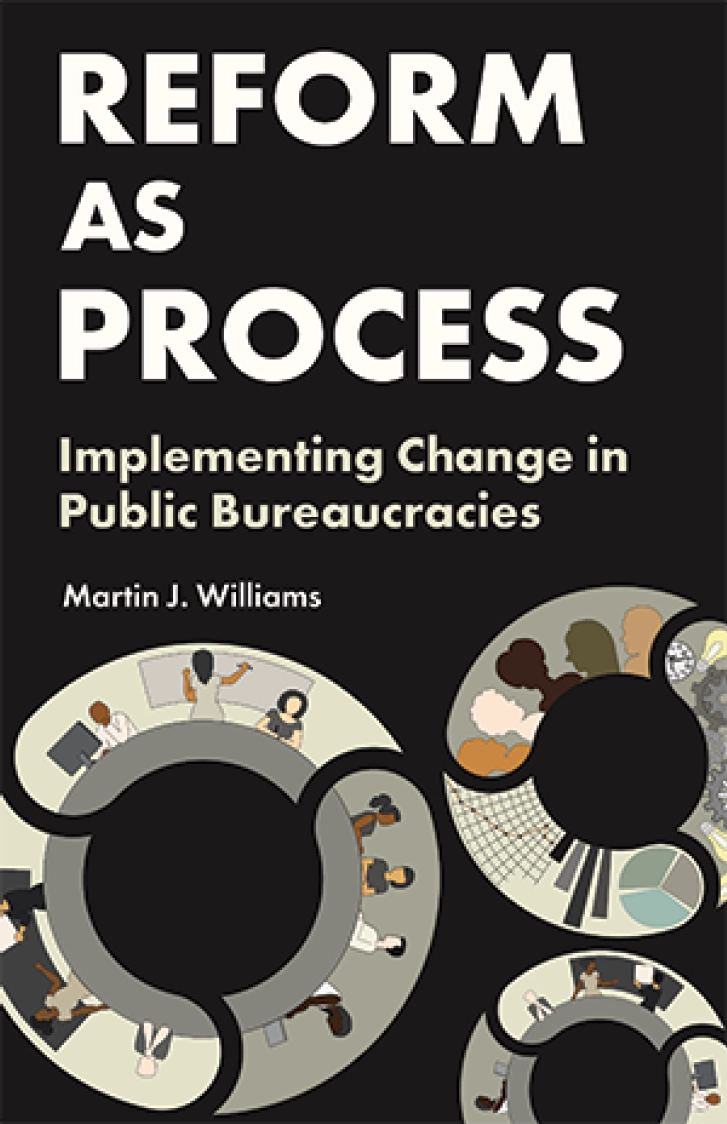
An excerpt from Reform as Process on reforming government bureaucracy

Research shows that neurodivergent employees display tendencies that can boost organizational performance—but too many organizations are not designed to incorporate their unique skill sets.

Funders should measure capacity building by what changes, not just what grantees like.

Nonprofits balancing automation with empathy should focus on supporting team members providing care so they can be more present with people seeking help.


Professionalism has become coded language for white favoritism in workplace practices that more often than not leave behind people of color. This is the fourth of 10 articles in a special series about diversity, equity, and inclusion.

More nonprofits are managing their brands to create greater impact and organizational cohesion.

The key to creating a vibrant and sustainable company is to find ways to get all employees personally engaged in day-to-day corporate sustainability efforts.

In the face of increasingly pressing systemic inequities, nonprofit boards must change the traditional ways they have worked and instead prioritize an organization's purpose, show respect for the ecosystem in which they operate, commit to equity, and recognize that power must be authorized by the people they're aiming to help.

Five practical considerations for organizations that want to use intentional influence to achieve a bold social goal.