


The Seven Labors of the Modern NGO
Good missions don’t automatically become good results. Seven self-imposed burdens most often separate the two, and senior leaders can dismantle them.

Good missions don’t automatically become good results. Seven self-imposed burdens most often separate the two, and senior leaders can dismantle them.

How nonprofits can build the data infrastructure to analyze what they already know

What SSIR readers are saying about articles on artificial intelligence, charitable giving, and navigating organizational disagreement.
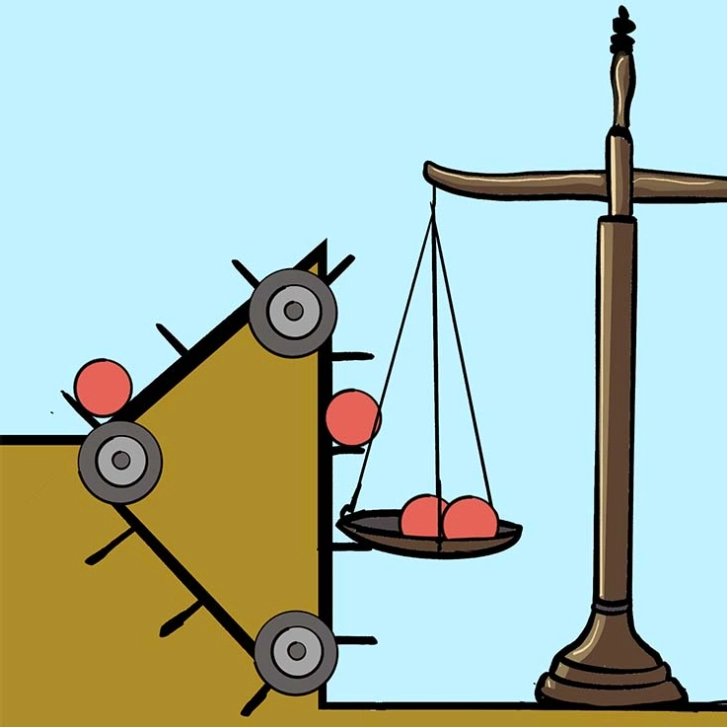
Philanthropic, nonprofit, and civil society organizations that face highly restrictive state policies can leverage compliance to pursue their goals as legalized entities, making them harder to suppress.

From Model Ts to tea, organizations devoted to human flourishing need to build the human architecture for their people to breathe.


Professionalism has become coded language for white favoritism in workplace practices that more often than not leave behind people of color. This is the fourth of 10 articles in a special series about diversity, equity, and inclusion.

More nonprofits are managing their brands to create greater impact and organizational cohesion.

The key to creating a vibrant and sustainable company is to find ways to get all employees personally engaged in day-to-day corporate sustainability efforts.

In the face of increasingly pressing systemic inequities, nonprofit boards must change the traditional ways they have worked and instead prioritize an organization's purpose, show respect for the ecosystem in which they operate, commit to equity, and recognize that power must be authorized by the people they're aiming to help.

Five practical considerations for organizations that want to use intentional influence to achieve a bold social goal.