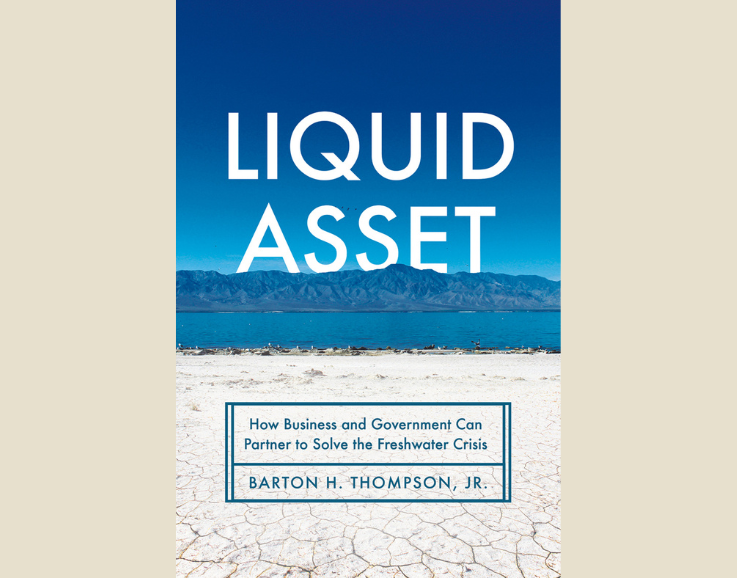
Liquid Asset examines how the public and private sectors can better collaborate on our society’s pressing water problems.

A new framework for understanding the opportunity for health care innovators to dig deeper.

A final sweep of 60 years of evidence reveals durable truths about how development succeeds and fails.
What SSIR readers are saying about articles on impact accounting's equity problem, leadership that meets the moment, and better strategies for board recruitment.
Is water in Sweden really 25 times more valuable than water in Mauritania?
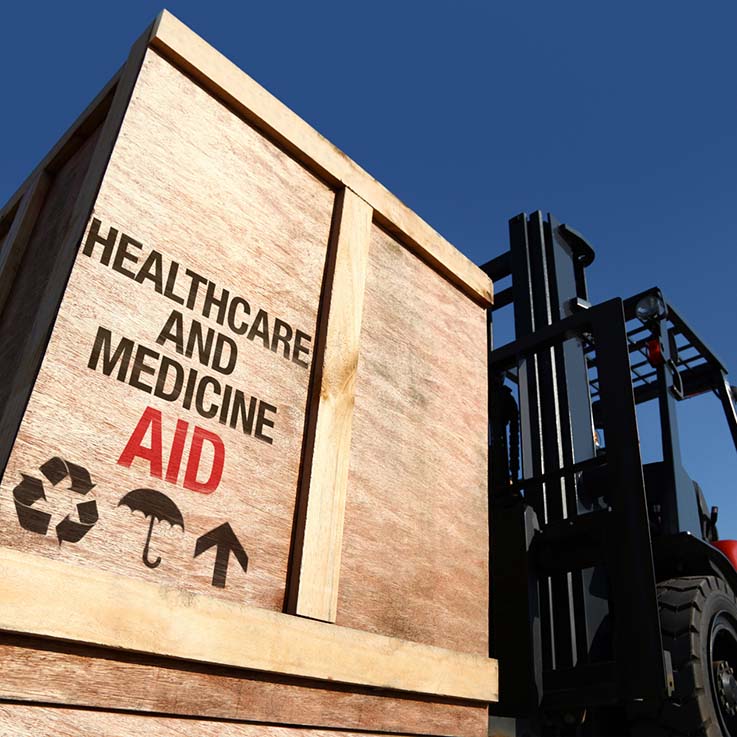
Finding a way forward in the global pullback from solidarity

If local governments are to effectively address our biggest global concerns, they’ll need to expand their skill sets.


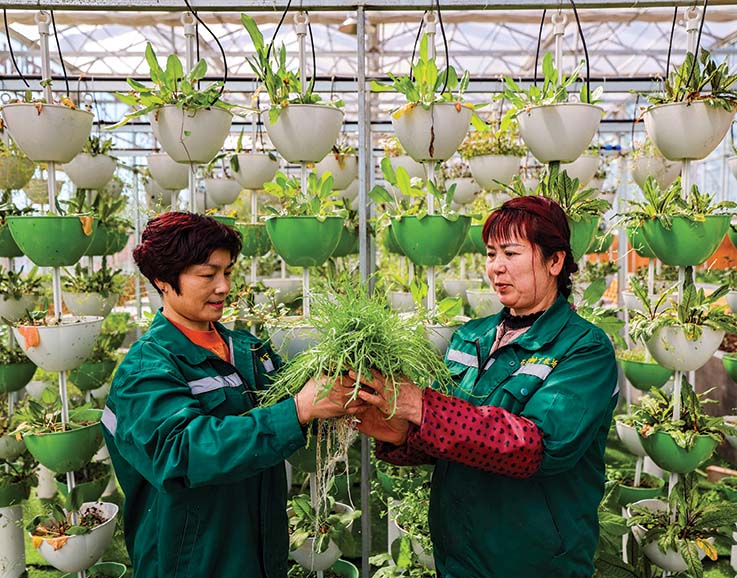
By working closely with the clients and consumers, design thinking allows high-impact solutions to social problems to bubble up from below rather than being imposed from the top.
Carbon for Water is engaged in a loopy funding scheme and offers a lousy public health solution.
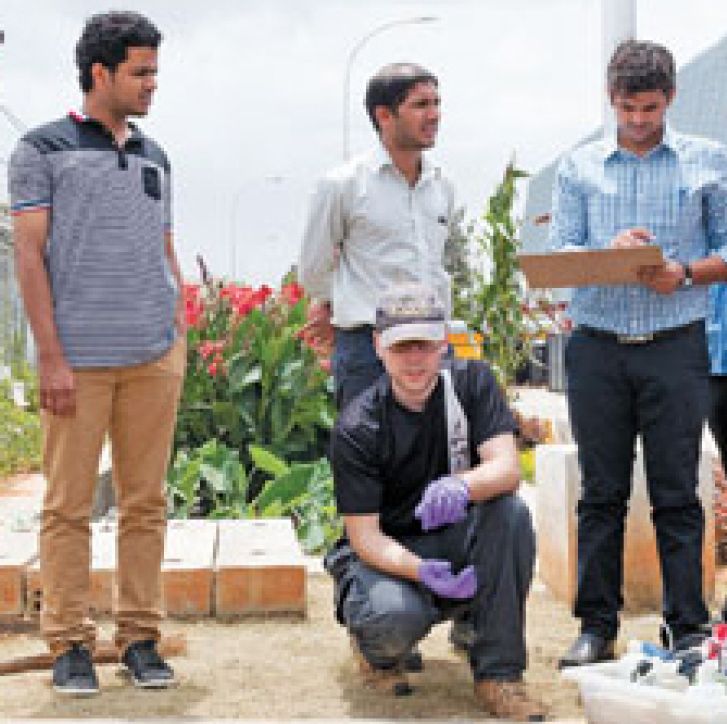
Sewage treatment systems are being built that are simpler and less expensive.

The Peer Water Exchange manages diverse solutions and resources to fight the global water crisis.

In an era of big-bet philanthropy, a small foundation can still have an outsize impact. Here are seven techniques for getting more from your philanthropic dollar.