
Education
Integrating School and Out-of-School Time Toward Equity
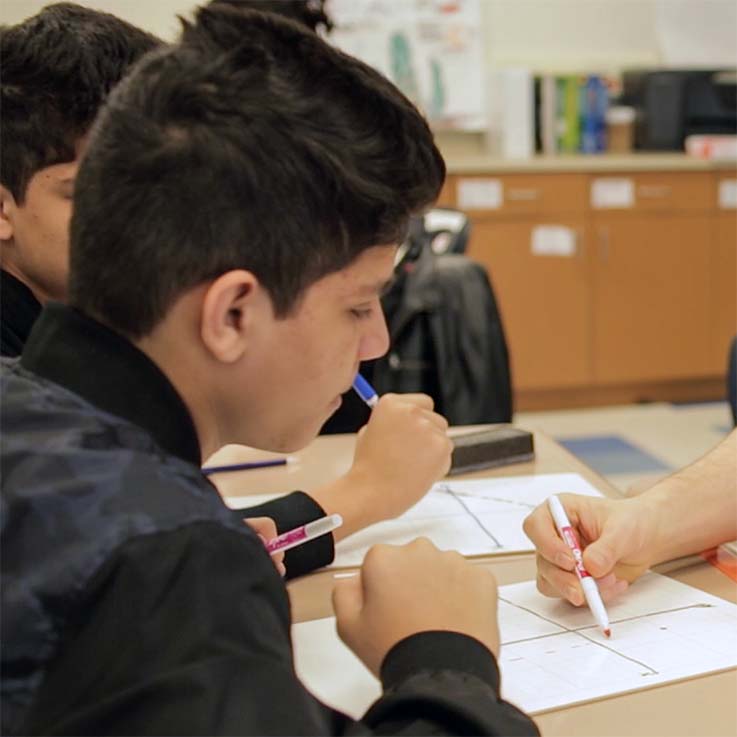
To advance equitable social-emotional learning, schools would benefit from increased collaboration with out-of-school program providers.
Cash transfer programs often struggle to reach those most in need. An investigation of four programs across Brazil, Ethiopia, Jordan, and Palestine revealed five features that lead to success.
To advance equitable social-emotional learning, schools would benefit from increased collaboration with out-of-school program providers.
A look at why unconditional income has gained popularity in South Korea and what we can learn from the largest trial in Asia to date.
Nonprofits are piloting direct cash transfer programs to help people experiencing homelessness.
Community health workers, neighborhood clinics, and real-time data bolstered America’s COVID-19 response. They could now form the cornerstone for more equitable health care.
Researchers find that relationship-building exercises between troubled students and their teachers cut recidivism.
How to move from net zero to net impact.
Collective impact efforts must prioritize working together in more relational ways to find systemic solutions to social problems.
How human services nonprofits can stay afloat and advance their missions during a time of government cutbacks.
How to move from net zero to net impact.
The recent collapse of Hull House is a reminder that the tectonic shifts underway in the human service sector cannot be avoided.
Years of implementing, studying, and iterating on cash transfer programs have revealed some important lessons about achieving long-term impact.