


Family Planning for West Africa
The Ouagadougou Partnership advances access to contraception from Mauritania to Benin.
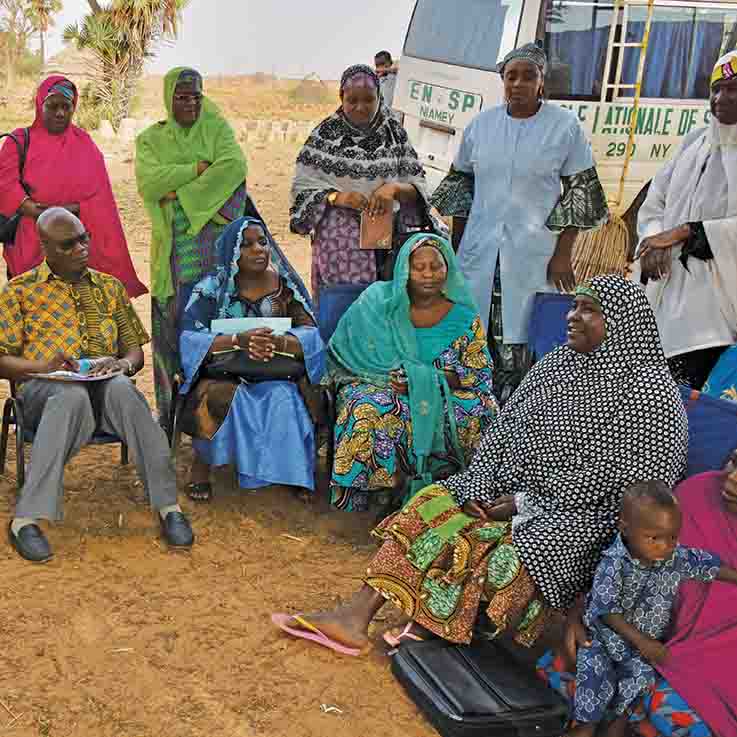
The Ouagadougou Partnership advances access to contraception from Mauritania to Benin.

Alain Werner and Hassan Bility have teamed up to pursue expat Liberians accused of horrific war crimes. They have succeeded in winning justice abroad, but can they secure justice in Liberia itself?

California’s housing crisis has its roots in the veto power of local governments and communities.

Tulsa is piloting a new model to measure its growth, hoping other cities will follow suit.

Global growth has left too many populations and geographies behind. Inclusive development requires national initiatives to act small and community initiatives to act big.

Managers often communicate less than they should, giving employees the impression that they lack empathy.
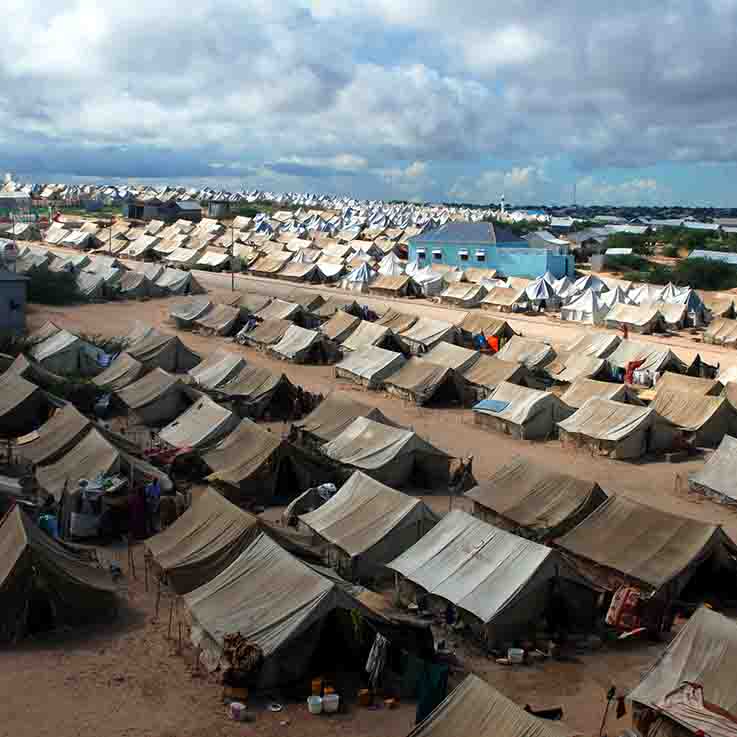
Framework for refugee protection in Rwanda creates systemic barriers to helping refugees in the long term.

People who receive help earlier in a task feel better about the aid than those who receive it toward the end.

Certification helps legitimize nonprofits and boosts their fundraising, even in authoritarian contexts.
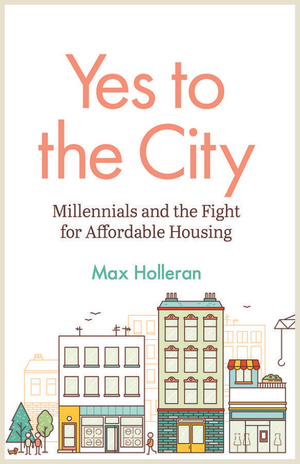
Max Holleran’s Yes to the City examines millennials’ demands for more housing and a new road map for urban growth.