


Radically Inclusive Changemaking and Its Limits
Alex Budak’s Becoming a Changemaker expands an already expansive concept, yet his argument reinforces the hero myth that still dominates social innovation.
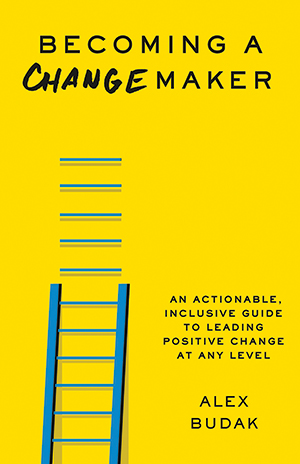
Alex Budak’s Becoming a Changemaker expands an already expansive concept, yet his argument reinforces the hero myth that still dominates social innovation.
While large amounts of money can make a difference, it’s not the only way that philanthropists can have an impact.

A collection of standout pieces published online about 990 data, local social networks, measuring impact, and nonprofit burnout.

The environmental devastation from glacial melt in Pakistan has far-reaching economic effects.

It’s time for funders to get real about what social entrepreneurs need to succeed.

Lessons for funders and social change leaders in search of the best ways to collaborate across sectors to end homelessness.

Arts programming in prisons is more than just rehabilitation. It’s radical activism.

A study of MacKenzie Scott’s early giving reveals how transformational generous general operating support can be.

Platform thinking pushes social entrepreneurs to leave the role of the problem solver in favor of being an enabler of changemakers who can solve problems locally.

Understanding these six important differences will both facilitate better conversations and help channel funds appropriately.