


Review

Investors screen for entrepreneurial passion when making funding decisions.

Research supports violent media's negative impact on civility.

Tweeters come together for spontaneous gatherings of like-minded philanthropists.

Manchester Bidwell Corporation replicates by adapting general strategies to local cultures.

From pink ribbons to Product Red, cause marketing adroitly serves two masters, earning profits for corporations while raising funds for charities. Yet the short-term benefits of cause marketing—also known as consumption philanthropy—belie its long-term costs. These hidden costs include individualizing solutions to collective problems; replacing virtuous action with mindless buying; and hiding how markets create many social problems in the first place. Consumption philanthropy is therefore unsuited to create real social change.
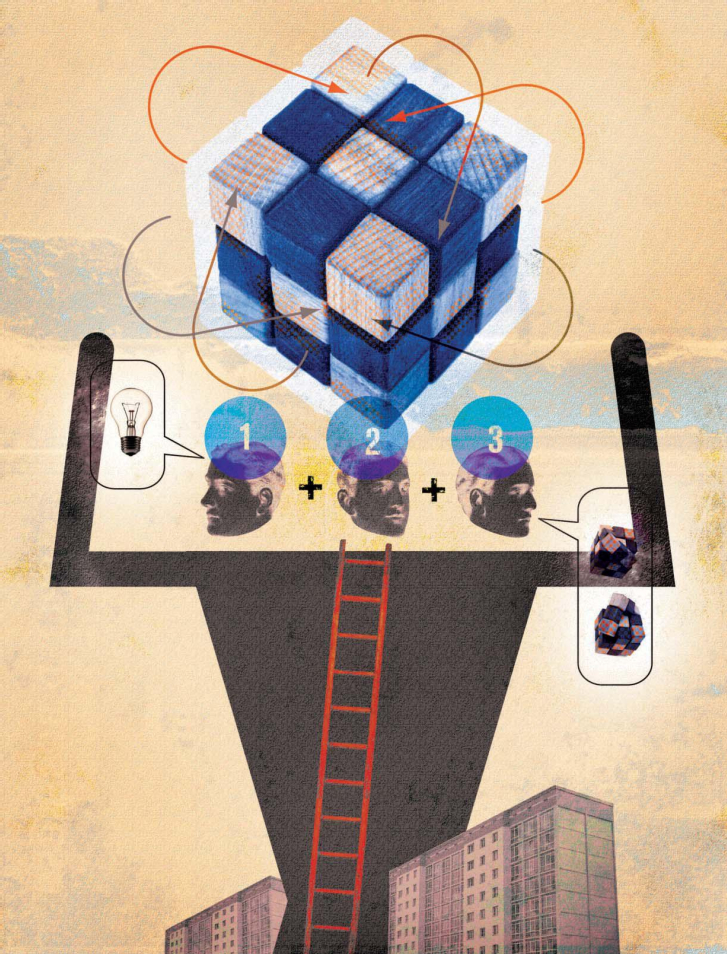
Some of the brightest ideas for social change grow in the spaces between organizations and sectors. Yet few organizations have systems that make collaboration happen. To foster innovation, organizations need to develop places where they can come together and work creatively—that is, platforms for collaboration. In this article, a management expert identifies three kinds of collaboration platforms—exploration, experimentation, and execution—and then outlines what organizations can do to put these platforms to work for them.