


Protests Matter to Companies
Women’s March protests convinced companies to select more female board members.
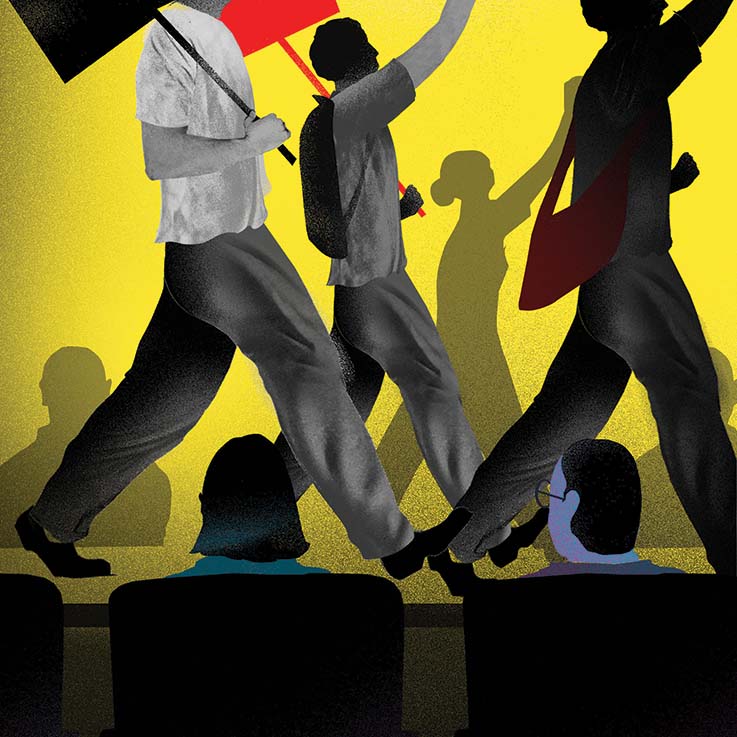
Women’s March protests convinced companies to select more female board members.

Incivility between doctors and nurses leads to higher rates of patient death and medical errors.


Microfinance relies on social networks for repayment, but those same networks can backfire during a financial crisis.

Premilla Nadasen’s Care: The Highest Stage of Capitalism demonstrates how the labor of caring is a site of economic extraction.

Liquid Asset examines how the public and private sectors can better collaborate on our society’s pressing water problems.

SSIR’s new editor-in-chief and publisher invites readers to collaborate as the organization evolves: “SSIR works best when it works for you.”

A collection of standout pieces published online about DEI, impact investing, learning from failure, and generational conflict in social justice organizations.


As time ticks down on the transition to clean energy, networked solutions will be crucial for beating the clock.