


sponsored
Time for Philanthropy to Confront Ableism
If philanthropy is to build a more just and equal society, it must combat ableism in its own institutions and practices.

If philanthropy is to build a more just and equal society, it must combat ableism in its own institutions and practices.

Developing active listening techniques is essential to creating understanding and the authentic relationships necessary for social change.
People with disabilities are on the front lines of the climate crisis. Efforts to address the crisis must include them.

A decade of applying the collective impact approach to address social problems has taught us that equity is central to the work.
The pandemic has demonstrated that disability inclusion in philanthropy is more crucial than ever.

A new generation of scientists and community activists is committed to making science more democratic and equitable.

Empowering people with disabilities at work advances social inclusion and is good for business. Digital accessibility is essential to efforts at Microsoft to create opportunities for disabled talent.
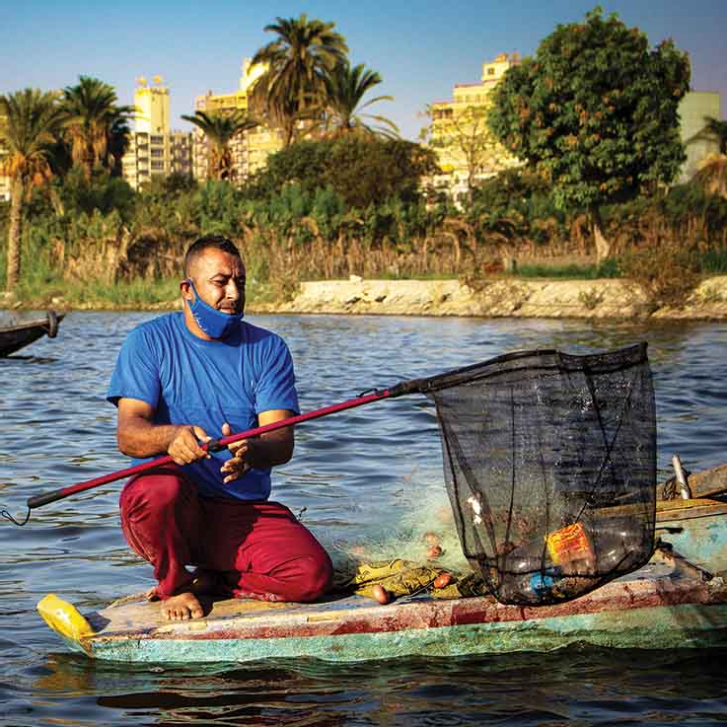
With the dual goal of protecting the vital waterway and supporting communities that depend on it, the Cairo-based, youth-led organization VeryNile is partnering with local fishers and crafters to collect, recycle, and upcycle plastic waste.
After many years of excluding the disability community, philanthropy is starting to make changes. The Ford Foundation’s awakening on disability inclusion offers a model for the rest of the sector.
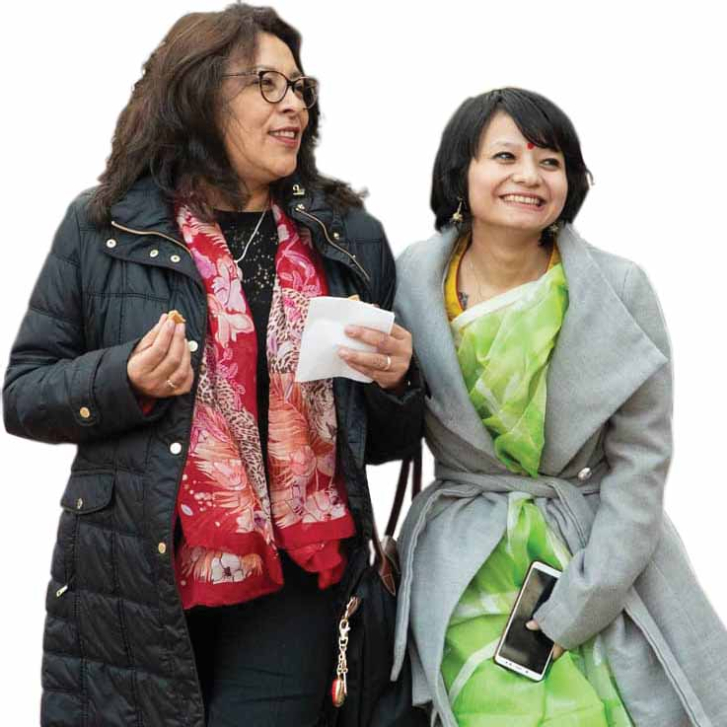
Indian nonprofit Femme First Foundation aims to increase women’s political representation in the country.