Sustaining Collaborative Action
As more cross-sector collaborations gain traction, we must understand what it takes to keep them running over the long term and ensure that progress continues despite changes in leadership.

As more cross-sector collaborations gain traction, we must understand what it takes to keep them running over the long term and ensure that progress continues despite changes in leadership.

This series, presented in partnership with the National Committee for Responsive Philanthropy, aims to explore popular concepts in philanthropy—such as risk, capacity building, and public leadership—through the lens of power and equitable outcomes.
To advance equity more effectively in collaboration with nonprofits and communities, grantmakers must share power with and leverage privilege for nonprofits and communities.
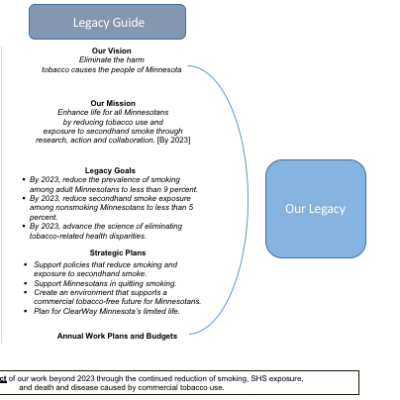
How limited-life organizations can re-position evaluation as a tool to drive progress toward their end goals and measure the enduring impact of their efforts.

An organization’s response to a wide-scale Ebola outbreak provides six lessons in sustainable impact for NGO leaders.
Listening to beneficiaries should be part and parcel of any initiative that seeks to help others. Part of a series produced for SSIR with the support of the Hewlett Foundation.

Radical change is possible by adding six simple questions to MBA education.
New research indicates that strong stakeholder orientation—when companies aim to benefit all parties that could be affected by its success or failure—could help solve inequality by providing competition at the base of the pyramid.

By pooling money, individuals who may otherwise feel powerless are attempting to address imbalances of wealth and influence in the social sector.

At SSIR's 2018 Nonprofit Management Institute, civil society leaders shared insight and inspiration for increasing diversity, equity, and inclusion during an era when divisiveness runs through much of the public discourse.