Is Private Education in Africa the Solution to Failing Education Aid?
How the private sector is helping address Africa’s unmet demand for education in the face of falling education aid.

How the private sector is helping address Africa’s unmet demand for education in the face of falling education aid.

To build stronger relationships with development staff, nonprofit leaders must understand the work and set feasible fundraising goals.
Brian Barnes and Dorian Burton, co-founders of TandemEd, discuss why philanthropy needs a new framework that grounds giving in “justice” rather than “charity.”

New organizations often bring new tactics to old problems, but they need funding and support to move from idea to systemic change.
Private sector development grants can help reach people in communities where many investors won’t go.

Governments in emerging markets need to take a holistic approach to creating business environments that truly enable financial technology (FinTech) innovation.

Five critical questions to guide the work of nonprofit communicators.

In this video from The Communications Network's ComNet17 conference in Miami, Grant Oliphant, president of the Heinz Endowments, challenges communicators at social sector organizations not to hide behind silence when the values they stand for are being politicized.
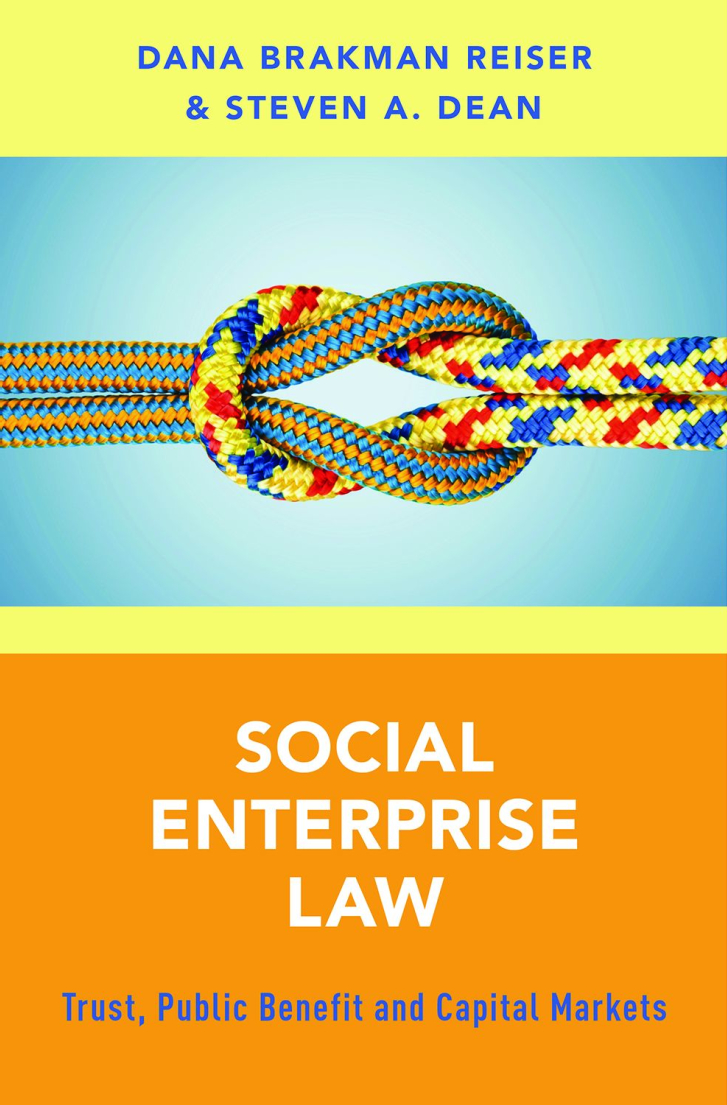
How the law can help social entrepreneurs and mission-committed investors build trust around their commitment to social good.

A growing body of research that explains how human behavior helped create the climate crisis could also point the way toward solving it.