


No Strings Attached
Worries about the negative effects of unconditional cash transfers to relieve poverty are greatly exaggerated.
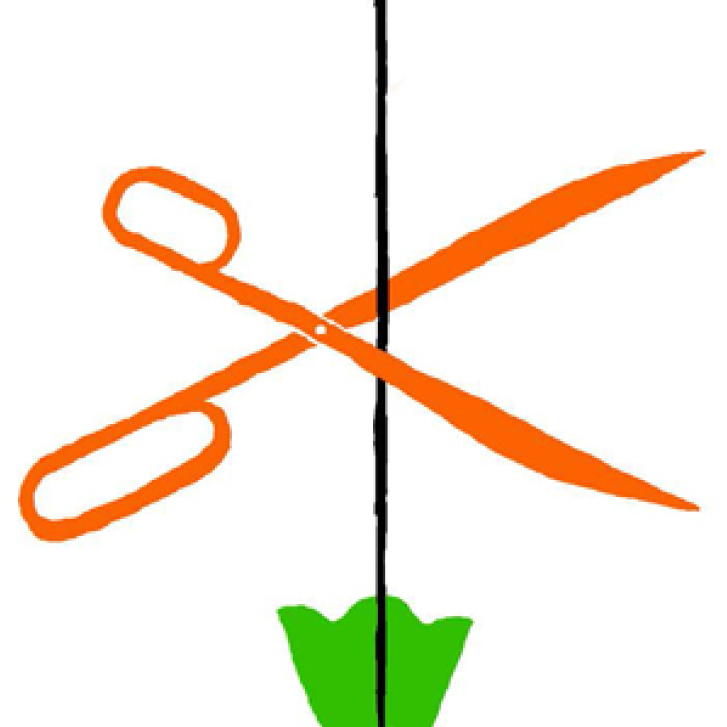
Worries about the negative effects of unconditional cash transfers to relieve poverty are greatly exaggerated.
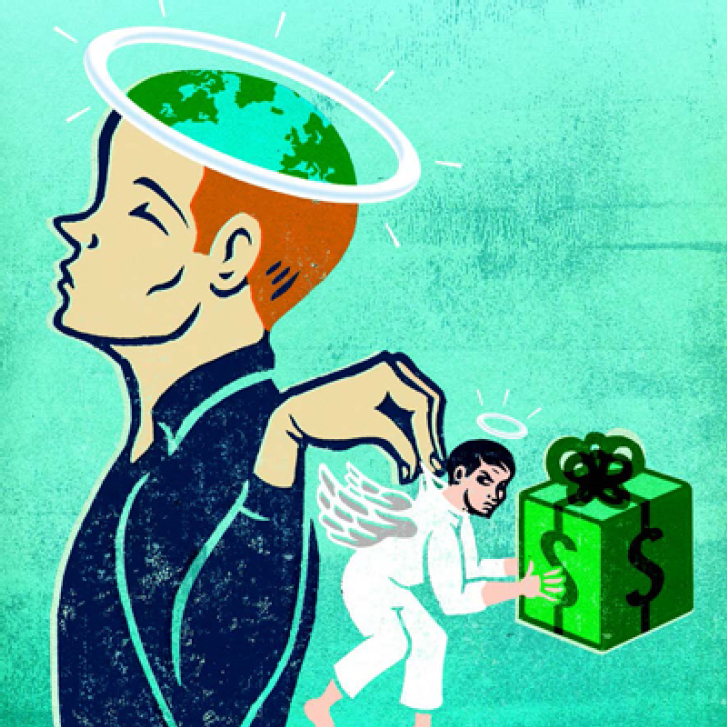
The effective altruism movement could be more effective if it encouraged adoption of its principles within causes and geographies, not just across them.
Saving the oceans requires the buy-in of coastal communities directly affected by environmental protections.
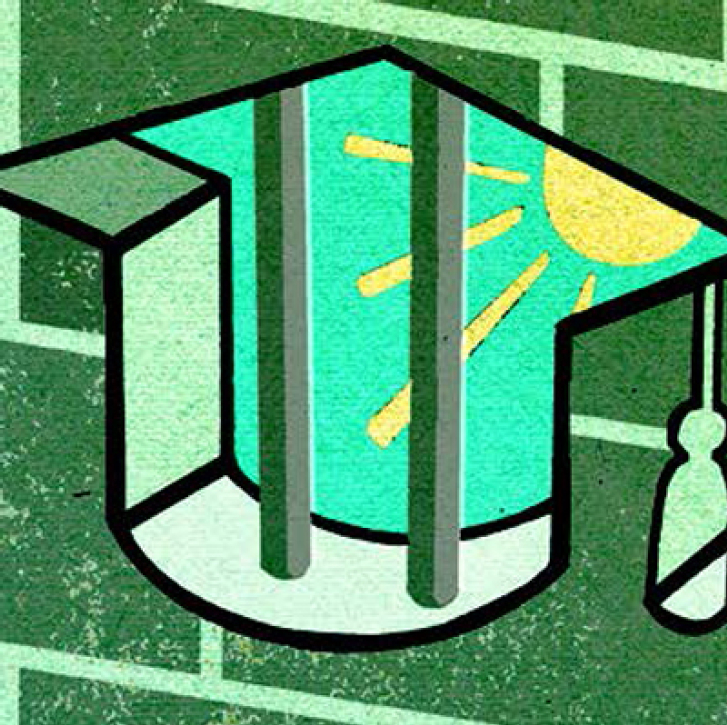
We must create educational opportunities to reduce recidivism among prison inmates and empower them to lead successful lives post incarceration.

Document leaks, big data, and open government are reviving the fight against global graft.
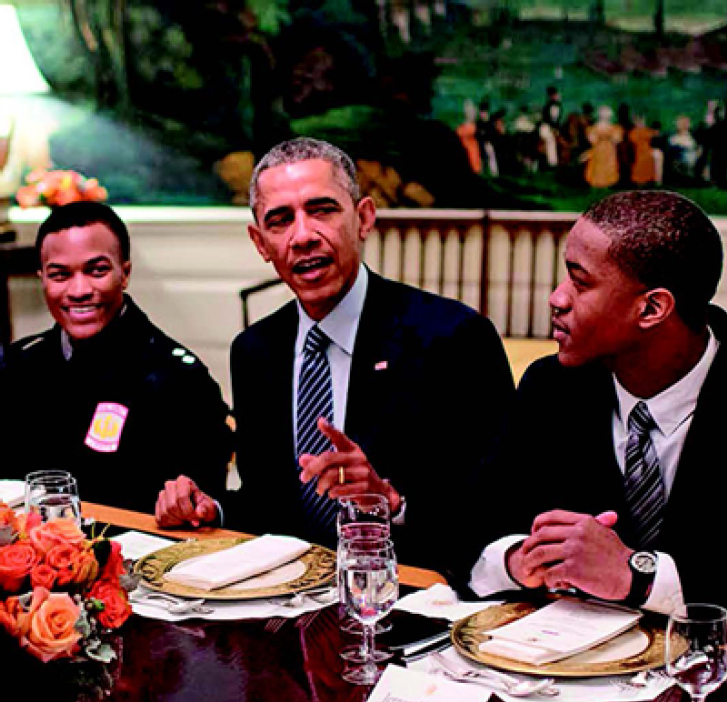
President Obama experimented with radically new ways of maximizing the impact of social programs.

iCare is enabling Southeast Asian workers to purchase the basic goods of middle-class life without falling into debt.

The Contributor Development Partnership is revitalizing public broadcasting with a fundraising model that can help other large nonprofits with local affiliates.

South Africa’s Unjani Non Profit Corporation is boosting community health by helping nurses launch their own clinics.

A British entrepreneur hopes that by transforming food waste into biogas, his plant can help a community gain a sense of local environmental stewardship.