

A Different View of Mapping
New platforms are using crowdsourcing and open-source technology to challenge Google’s dominance over how we see the world.
Social innovations that improve the health and resiliency of cities (more)
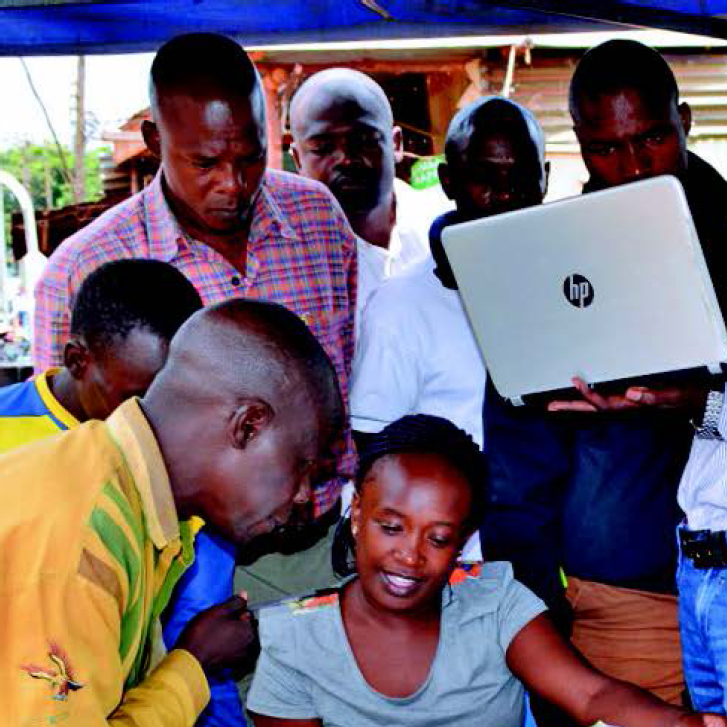
New platforms are using crowdsourcing and open-source technology to challenge Google’s dominance over how we see the world.

Many small-scale (but scalable) creative efforts to foster tangible urban change, inspired by the burgeoning “tactical urbanism” movement, have met with success—and yet the movement itself faces limitations. How might this approach continue to evolve so as to effect inclusive, sustainable, and meaningful social and political change at the local level?

With a growing part of the workforce earning a living independently, we need a new system that provides greater stability and security.
By offering better early support for struggling families, child welfare services can reduce the need for more serious interventions down the line and improve the wellbeing of whole neighborhoods.
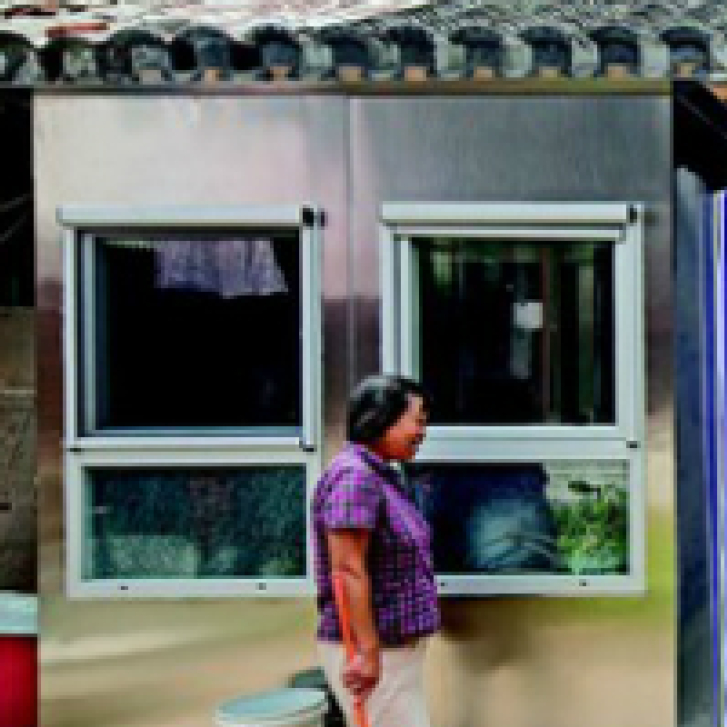
An architecture firm is helping bring modern amenities to Beijing’s historical hutong courtyard homes with minimal disruption.
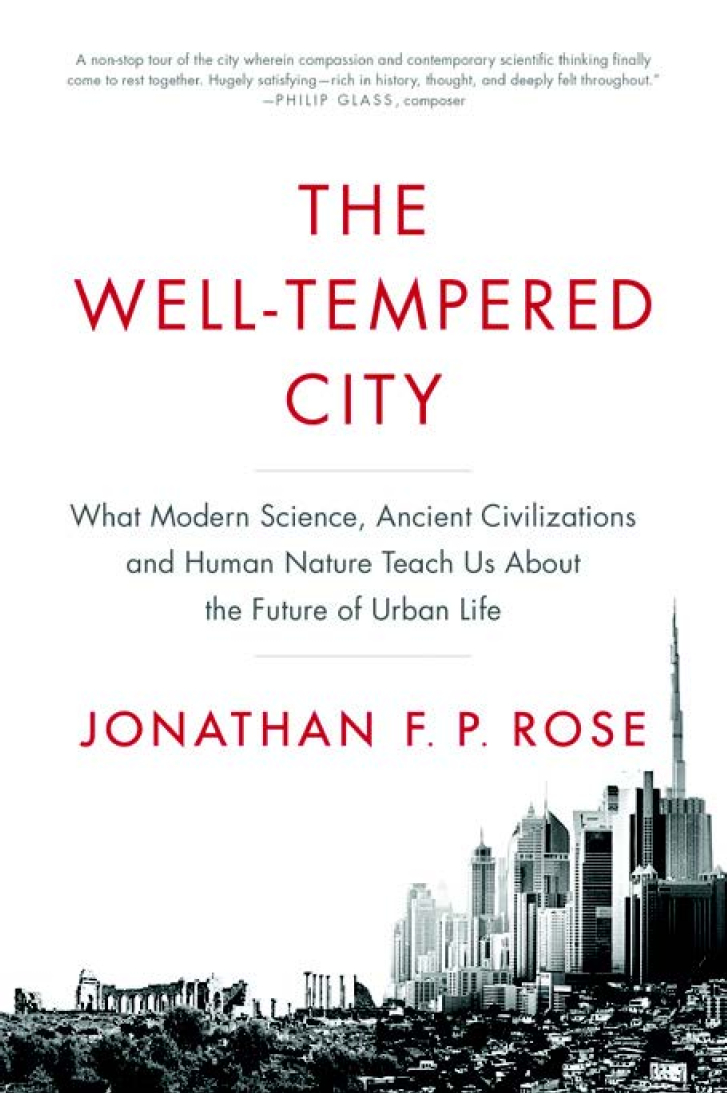
Rose’s bold theory, which offers a new framework for urban planning, could benefit from equally comprehensive recommendations about how to implement it.
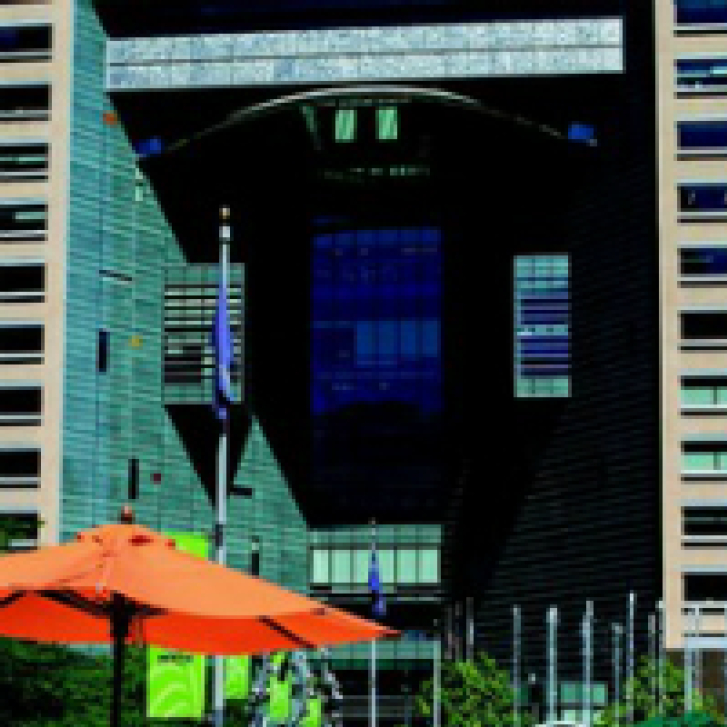
Detroit has become a source of inspiration and solutions for other challenged American cities and even other municipalities looking for innovative new models of urban governance.
Detroit’s experiences hint at a model where philanthropy and business routinely supplement and complement government.

Foundations aspiring to make a difference in challenged cities have much to offer beyond grantmaking—if they are willing to embrace new roles that may fall well outside their comfort zones.
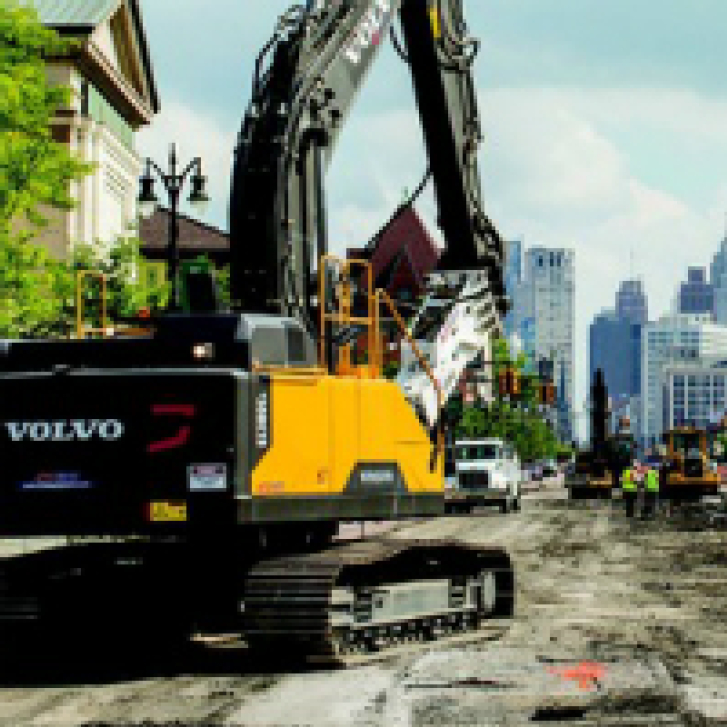
Concentrating investments along key corridors in the Motor City can generate market activity, but more effort must be made to create self-sustaining momentum that propels communities toward broader prosperity.