sponsored
“Where Two Rivers Meet, The Water Is Never Calm”
Partnerships are often difficult to navigate—but they are essential elements of effective philanthropy.
New and innovative ideas for leaders of foundations (more)
Partnerships are often difficult to navigate—but they are essential elements of effective philanthropy.
The Orfalea Fund’s culture of collaboration stemmed from the Orfalea family’s business experience prioritizing human relationships.
When funders and grantees are aligned on mission and trust one another, lasting change stands a chance.
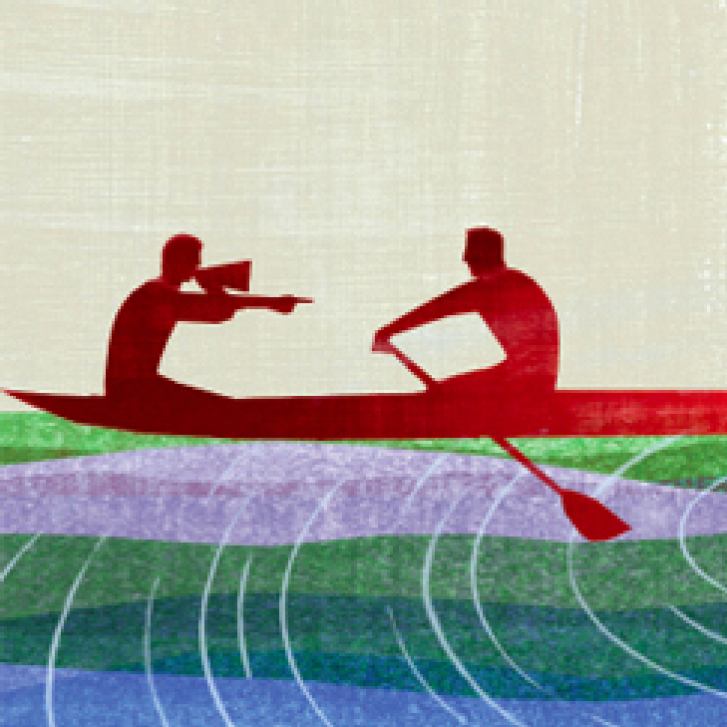
Collaborative efforts can lead to outcomes that might otherwise be unattainable—but they are inherently difficult to manage. Expect the rough spots, and prepare for them.

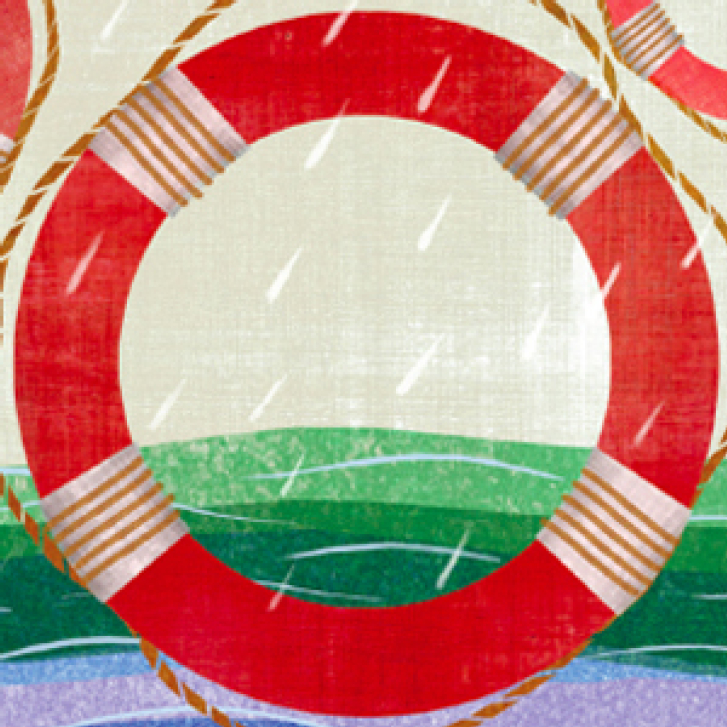
Reacting in the wake of a disaster isn’t wrong, but think of the difference a proactive funding strategy could make.
A program begun in the 1940s is still going—and still improving.
The “servant’s heart” knows how roles must evolve in strong partnerships.
Endowment spending rates are at the heart of every foundation and should hold deep connections to mission alignment, values, and governance.

By applying behavioral economics theory to philanthropy, we can better manage grantmaker tendencies toward loss and risk aversion, and the effects of other decision-making patterns.