


Women and the Future of Work
The strategies companies and policy makers are designing to address the changing nature of work need to include a gender lens if they are to help foster the economic empowerment of women.
Innovative public sector policies and programs (more)

The strategies companies and policy makers are designing to address the changing nature of work need to include a gender lens if they are to help foster the economic empowerment of women.

During the Industrial Revolution, labor organizations, social movements, the media, and government came together to rein in big business, providing lessons on how to regulate firms of today like Facebook, Amazon, and Google, writes SSIR's editor-in-chief in an introduction to the Summer 2019 issue.

The MyPass Austin project aims to help people experiencing homelessness by using blockchain technology to secure their personal documents. From the What's Next department of the Summer 2019 issue.
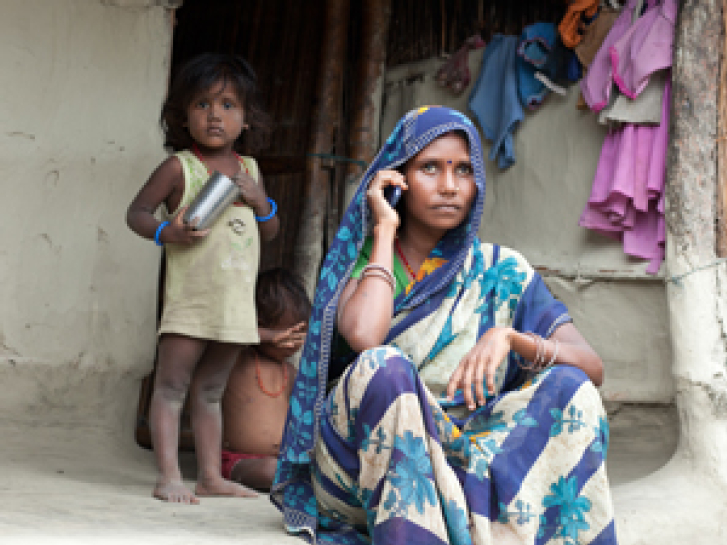
Three lessons from a long-term partnership to reach more than 100 million people with better health care in India.

When fewer Americans than ever believe government is meeting their needs, a new approach that elevates the voices of citizens is long overdue. User-centered design holds great promise in a well-defined set of circumstances.

Local governments and philanthropy are missing out on one of the biggest opportunities to positively affect the census: supporting the application of modern technology to increase the chances of a more complete count.

Philanthropic and social change organizations have much to learn from China's success with alleviating poverty through reforms targeting entrepreneurialism, governance, businesses, and women.
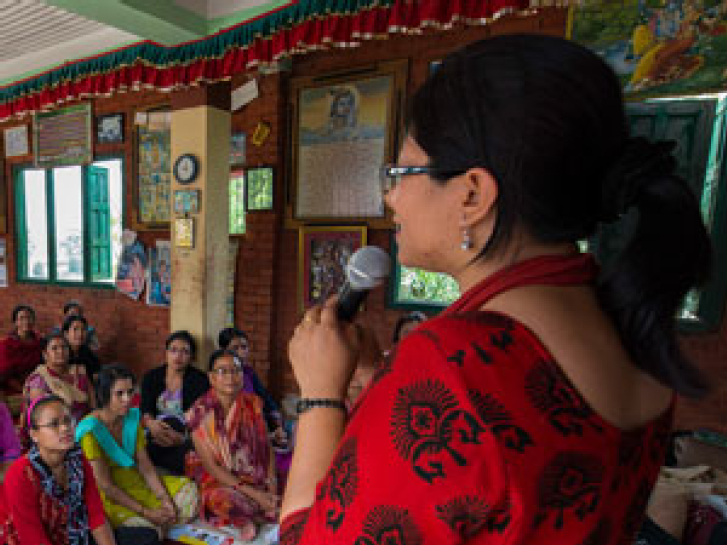
Four successful strategies to mitigate the effects of a restrictive funding policy that the Trump administration reinstated.

Alternative economic and social investment models that are properly supported by new public policy and investment could help the United States create more equitable access to jobs and wealth.

Businesses in East Asia cross boundaries and create alliances to solve complex social problems that the world has never experienced before.