


Social Innovations
Shades of Green
Social networking tools reveal that there is an intricate web of relationships between business and environmentalists, which if developed could benefit the environmental movement.

Social networking tools reveal that there is an intricate web of relationships between business and environmentalists, which if developed could benefit the environmental movement.

Voluntary carbon offsets allow people to invest in projects that allegedly counteract their greenhouse gas emissions. But can voluntary offsets help slow global warming? Or are offsets a way for consumers to buy their way out of bad feelings?
New research estimates the value of the services provided by faith-based organizations.
Starting on the right terms fosters the trust necessary for partners to work together over the long haul.
Those advocating cuts in social services because there are already too many government-funded nonprofits are misguided.

In their efforts to be socially responsible, most companies fail to wield their most powerful tool: lobbying. Yet corporations such as Mary Kay, Royal Dutch Shell, and General Motors are increasingly leveraging their deep pockets, government contacts, and persuasive powers for the cause of good. Not all kinds of socially responsible lobbying are created equal, however. The authors discuss which forms are best for companies and society.

To grow to full scale, serving 50,000 students a year, YouthBuild's federal funding must increase from $60 million to $125 million annually. Local programs will also need to raise $250 million annually from state and local education and criminal justice funds, and from private donors. How does YouthBuild plan to achieve this breakthrough and help five times as many people?
The 2009 presidential election was a divisive affair.
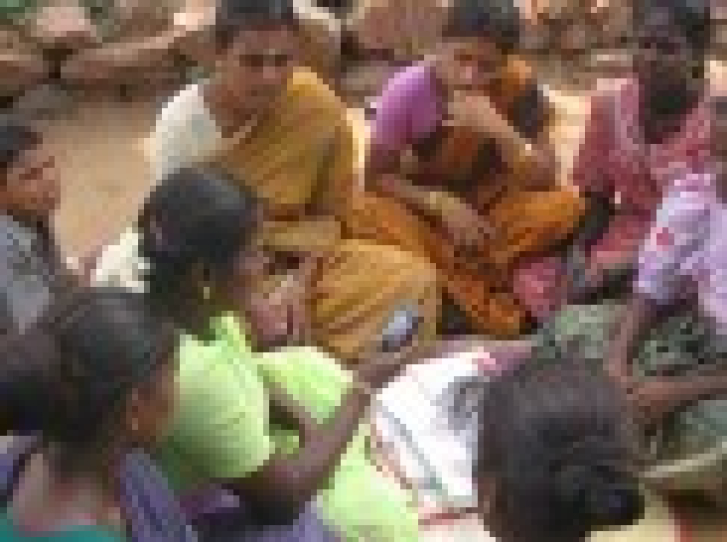
The world's neediest people are using mobile phones in ways that were never intended, and with great success. With wireless technologies, Indian farmers are finding out the latest crop prices, Nigerian youth are learning how to prevent the spread of HIV/AIDS, and Peruvian citizens are reporting criminal activity in their neighborhoods. Yet dialing into these powerful tools is not always straightforward. The author explains how to make the wireless revolution ring in economic growth and prosperity for people living at the bottom of the pyramid.