Domesticity’s Gross Product
The authors of Equality for Women = Prosperity for All expose the economic wastefulness of gender inequity.
Innovative policies and programs that advance the rights of individuals and communities (more)
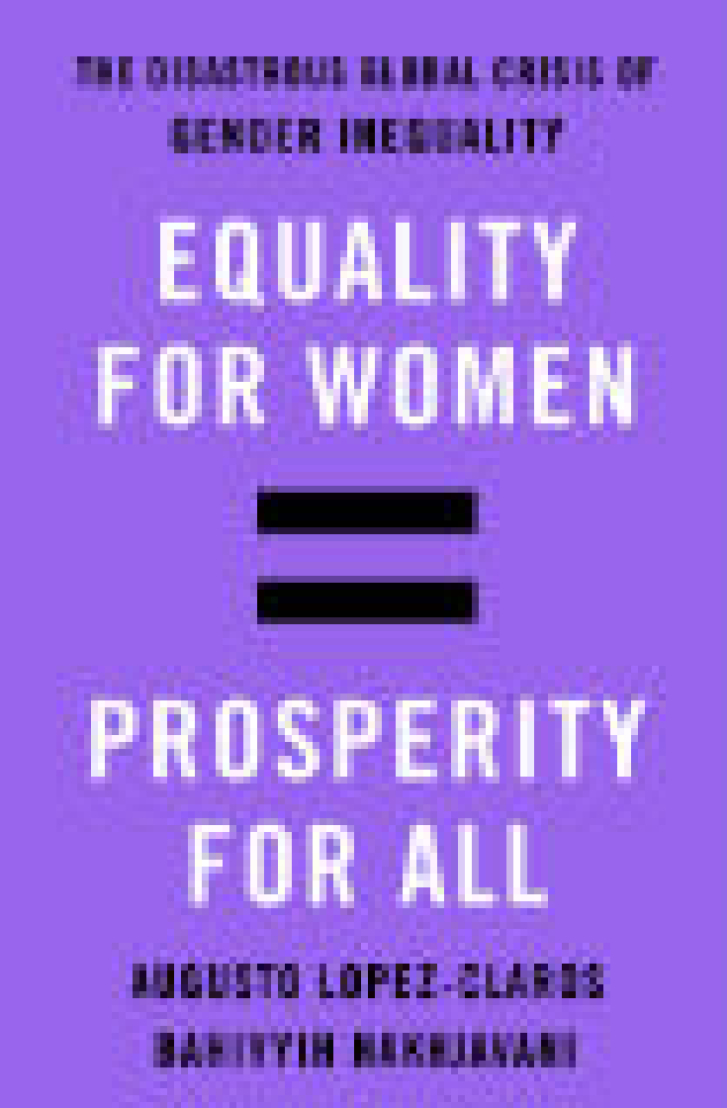
The authors of Equality for Women = Prosperity for All expose the economic wastefulness of gender inequity.
New digital projects could make legal services far more accessible—but they need to be about more than just the technology.
Systems are the bedrock of every society, but it is our shared dignity as human beings that truly determines whether a society works. When society becomes uncivil, it is clear that only our shared humanity as a people can save it.

Human trafficking, modern slavery, and child labor remain pressing concerns in many industries’ global supply chains. Harvard’s Siddharth Kara leads a discussion on how each sector can play a role in finding solutions.

Emily Arnold-Fernandez, executive director of the nonprofit Asylum Access, makes the case that better policies in host countries can enable refugees to rebuild their own lives and contribute to host economies.
Discourse and dialogue have always been the hallmarks of civil society, but when the power of government is used systematically to divide and exclude, it is the stinging conversations and actions at the leading edge of civil society that will reestablish the democratic ideals of an equitable democracy.
Describing aging as “building momentum” helps people see how experience and wisdom enables older people to improve their communities.

America’s first memorial honoring African-Americans who have been lynched opened in Montgomery, Alabama.

To build support for progressive immigration reform in the United States, advocates must turn away from “us versus them” framing, and toward language that emphasizes shared humanity, collective prosperity, and the country’s distinct identity as a “nation of immigrants.”
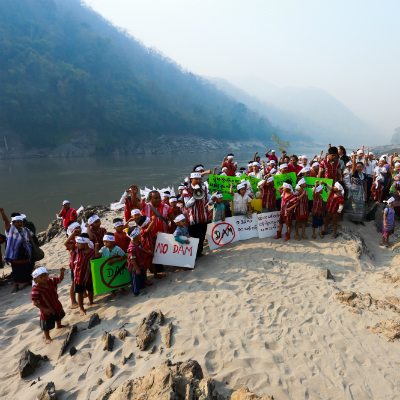
Addressing climate change requires that we transition quickly to renewable energy while grounding our efforts in human rights.