Equity Along the Paths to and Through College
How a New York community center is training college advisors, school counselors, volunteers, and members of community-based organizations to provide high-quality college advising.
Innovative policies and programs that advance the rights of individuals and communities (more)

How a New York community center is training college advisors, school counselors, volunteers, and members of community-based organizations to provide high-quality college advising.
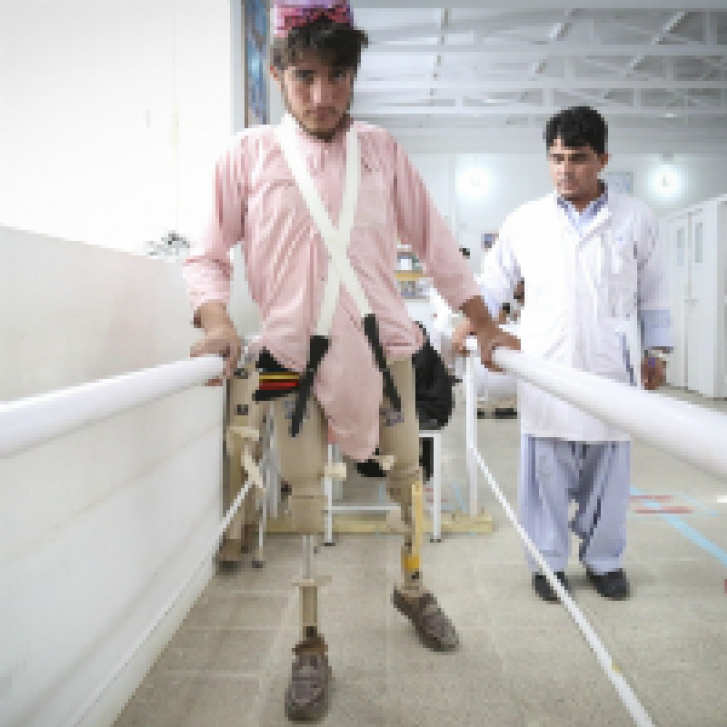
Why pay-for-success models of humanitarian impact investing offer promise for the future.
By designing programs and policies to overcome longstanding systemic barriers in communities, we can expand opportunities for equity.

Is it possible to use data to make predictions without enforcing existing biases?

The B Corp movement has pushed a powerful model of socially responsible business that has the potential to advance human rights. But it has so far failed to engage human rights advocates—to its detriment.
New legislation around the United States aims to combat the widespread practice of shaming students who cannot pay for school lunch.

Promoting menstrual health is critical to women’s economic empowerment around the world.
In accepting responsibility for social entrepreneurship, you and I accept the inescapable tension between two very legitimate impulses: the impulse to respect a community, and the impulse to change it.

Andrew Means of Uptake and Stanford's Lucy Bernholz talk about how nonprofits and foundations can take advantage of digital data and infrastructure in an ethical way.
Gilroy. El Paso. Dayton. Another spate of shootings in the United States spurs more conversations about the causes and contexts of gun-fueled murders. President Trump points to mental illness, an argument that many people have challenged, including SSIR author Kevin T. Kirkpatrick in this May 2017 article.