


Democratizing Capital
New laws enabling ordinary people to become equity investors have the potential to uplift marginalized communities, if the new market creates the infrastructure to include them.
Socially responsible investing that produces both financial and social returns (more)

New laws enabling ordinary people to become equity investors have the potential to uplift marginalized communities, if the new market creates the infrastructure to include them.

Lack of access to capital is a longstanding and well-known barrier to equity for communities of color and women, but overcoming systemic injustices will take more than moving money. How investments are made, and the power dynamics behind those decisions, need to change, too.

To get an idea of where impact investment might be headed over the next decade, the authors examine where the field has been in three areas that play an outsized role in its goals and practices.

While allies and advisors are important in our work, it’s more important to support and develop our own Indigenous power, leadership, and decision-making.

Five characteristics of effective corporate impact investors to help guide an emerging field.

Neighborhood investment trusts can help create more inclusive economies in cities and restore the fabric of US democracy.

Indigenous intermediaries are crucial to overcoming asymmetries between impact investors and Native America through the building of relationships of trust, creation of an ecosystem for impact investing in Indigenous communities, and performance of the due diligence investors need to manage risk.

Twenty years ago, New Markets Tax Credits began transforming America’s underserved communities. While some question the federal program’s impact, one rural Oregon tribe has made them a cornerstone of better health and cultural restoration.

Foundations and impact investors need to face the ways they are complicit in perpetuating inequality through their capital allocations, and upend five structural investment barriers to better serve women and people of color.
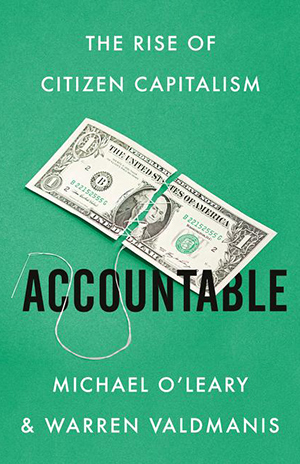
Accountable calls for a new form of ethical capitalism. In the following excerpt, authors Michael O’Leary and Warren Valdmanis unpack the ethics of the trade-off.