Paid in Full
How to reorient philanthropic investments for justice-oriented collective action and impact.
Innovative ideas to help leaders of nonprofits and nongovernmental organizations work more effectively (more)

How to reorient philanthropic investments for justice-oriented collective action and impact.
Brian Barnes and Dorian Burton, co-founders of TandemEd, discuss why philanthropy needs a new framework that grounds giving in “justice” rather than “charity.”
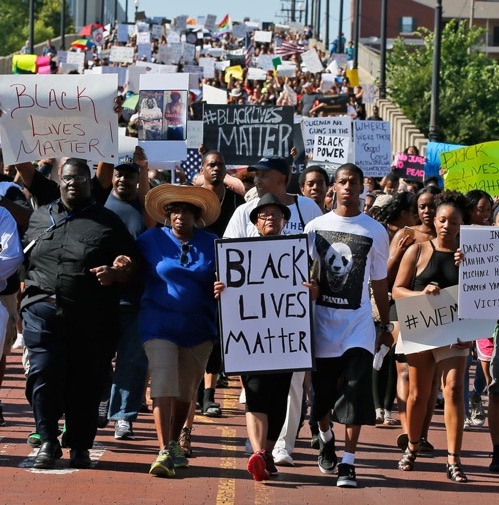
Five critical questions to guide the work of nonprofit communicators.
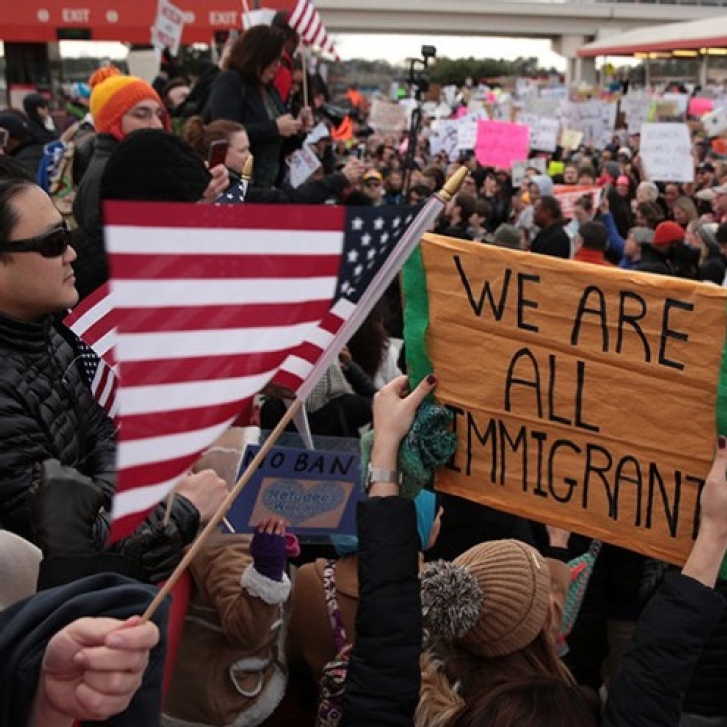
In this video from The Communications Network's ComNet17 conference in Miami, Grant Oliphant, president of the Heinz Endowments, challenges communicators at social sector organizations not to hide behind silence when the values they stand for are being politicized.

To scale their reach when qualified recruits are scarce, innovative Indian nonprofits are seeking out promising candidates from the fringe.

Swades Foundation is working to break nonprofit community development efforts out of their silos in India.
Not every group could gain corporate rights in de Tocqueville’s America.

Two new programs aim to help academics to engage more directly with nonprofits and social change initiatives.

Emily May created the online platform Hollaback, where women subjected to sexual harassment can share their stories.
Start by realizing that a “build-it-and-they-will-come” mindset often fails to reach people in need.