Putting More Fun into Play
In a new playground in Manhattan, "play associates" will encourage youthful creativity while reminding parents and nannies to take a giant step back.
Innovative ways nonprofits can increase their reach and social impact (more)

In a new playground in Manhattan, "play associates" will encourage youthful creativity while reminding parents and nannies to take a giant step back.

The Innocence Network, an international collaboration of pro bono legal and investigative organizations, grows rapidly and flexibly.
For-profit companies preach and employ diversification—and it would behoove nonprofits to have diverse revenue portfolios, as well.

Can schools be turned around, and can the system change? Yes, say an experienced district and state school leader in this panel discussion during the Driving Dramatic School Improvement conference at Stanford. Navigating questions by moderator Jordan Meranus, they talk about what they are doing in Louisiana and Baltimore to radically reform schools so that more children can meet state standards and receive an excellent education.
A look at nonprofit back-office integrations, or Shared Service Alliances.
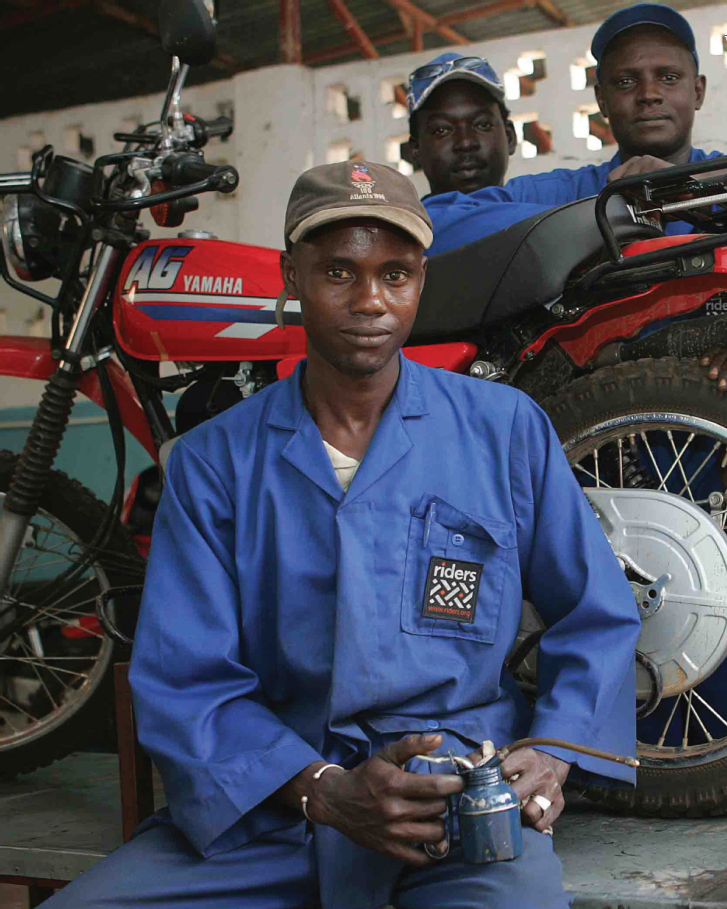
Riders for Health has created a novel approach to maintaining health transport vehicles in sub-Saharan Africa.
Nine pricing tips that simultaneously generate higher revenues and growth.
A look at how KaBOOM! has used the Internet to disseminate its model, empowering local communities to self-organize to build their own playgrounds.

Scaling requires not only fidelity to core processes and programs, but also constant adjustments to local needs and resources.