
Advocacy
Mission Failure
Exposing the problems of policy schools can ignite new ways to realize the mission of educating public servants in the 21st century.
Exposing the problems of policy schools can ignite new ways to realize the mission of educating public servants in the 21st century.

Simple changes in mindset and behavior can break the cycle of strain and mistrust in grantor-grantee relationships.
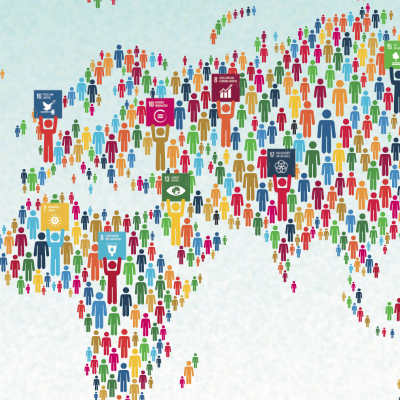
An international roster of donors has dispersed billions of dollars since 2000 to address social issues targeted by the United Nations’ Sustainable Development Goals. Their efforts highlight four ways that big bets can achieve big social change.

An excerpt of Twenty Years of Life: Why the Poor Die Earlier and How the Challenge Inequity
As technology morphs businesses, markets, and economies, we must reimagine how we educate future managers—the UN’s Sustainable Development Goals provide a North Star.
A look at three business structures that let social enterprises scale without sacrificing purpose.

Funders and others can better support the involvement of those who use social services in service design and implementation. And by doing so, they can generate more meaningful, systems-level impact.
The dogma in business school education is that faculty’s research should be relevant, yet serving our students also means questioning what relevance leaves out.

The journey toward greater diversity, equity, and inclusion has no fixed endpoint, but here are a few places to start.
Reframing the questions we ask about values-driven leadership underlies a not-so-modest proposal to inspire and enable real change in management education and management practice.