

Social Innovations
Great Teachers on the Fast Track
To save the nation, the United States needs alternative teacher training.

To save the nation, the United States needs alternative teacher training.

True restoration—environmental and economic—will not come from congressional legislation, top-down stimulus money, or EPA rulings.

How one newcomer to the Los Angeles mayor’s office mixed government with philanthropy to make change.

How do we create an efficient capital market for philanthropy? What are the best ways to marry program evaluation with powerful dynamics among online giving places? What role should public policy take in all this? In this free-ranging audio lecture, sponsored by the Stanford Center for Social Innovation, Randy Komisar offers a venture capitalist's perspective on these questions and more.

Given current tax laws, $300 billion in charitable dollars can end up costing the U.S. Treasury $50 billion in lost income. Should taxable income exclude charitable contributions? In this audio lecture, sponsored by the Stanford Center for Social Innovation, Stanford political philosopher Rob Reich asks some tough questions, ultimately proposing a new way of looking at tax incentives to support the nonprofit sector.
Social innovation now has an official place in the White House.
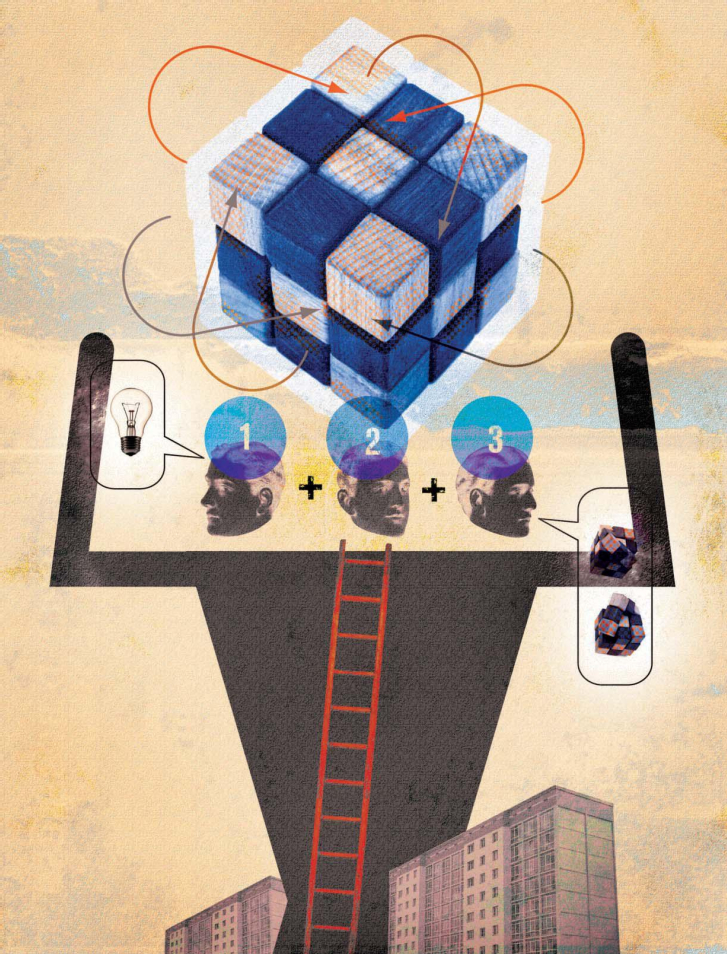
Some of the brightest ideas for social change grow in the spaces between organizations and sectors. Yet few organizations have systems that make collaboration happen. To foster innovation, organizations need to develop places where they can come together and work creatively—that is, platforms for collaboration. In this article, a management expert identifies three kinds of collaboration platforms—exploration, experimentation, and execution—and then outlines what organizations can do to put these platforms to work for them.

The Rockefeller Foundation is staying at the forefront of new and big ideas, funding new innovation processes like crowdsourcing and collaborative competitions.