


How to Use Stories to Bring ‘Us’ and ‘Them’ Together
To build more inclusive movements, social advocacy organizations and activists need to create stories that can engage both familiar and new communities.

To build more inclusive movements, social advocacy organizations and activists need to create stories that can engage both familiar and new communities.
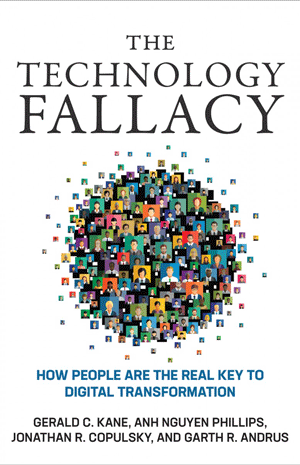
An excerpt from The Technology Fallacy: How People Are the Real Key to Digital Transformation explains the value of culture in organizational work.
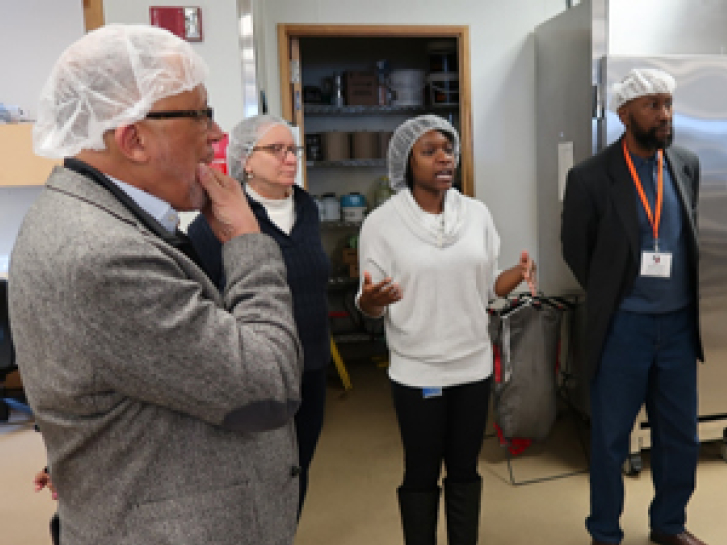
Six strategies for nonprofits looking to generate earned revenue and scale their social impact through consulting.

We must take on the difficult work of accounting for race and racism in our collective change-making endeavors or face the risk of failing to undo systemic inequities. This is the fifth of 10 articles in a special series about diversity, equity, and inclusion.
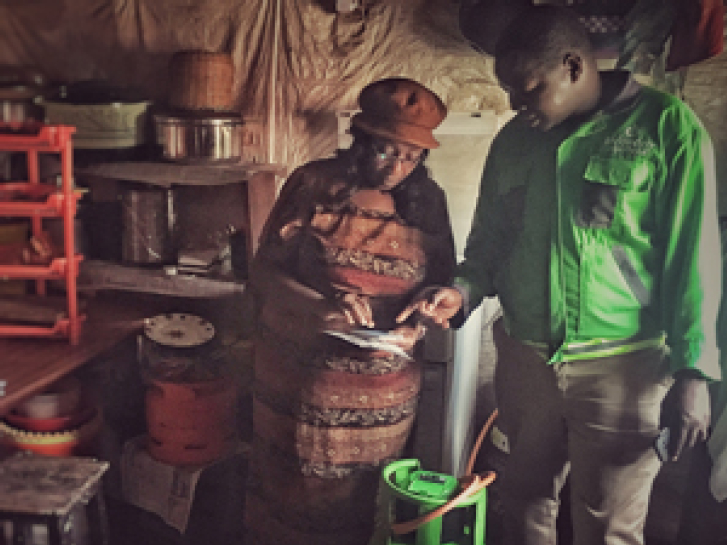
Strategies for cross-sectoral partnership in reaching consumers in emerging markets through pay-as-you-go business models.

Place-based development incentive programs like Opportunity Zones in the United States and Enterprise Precincts in Australia need a robust framework to meaningfully identify and measure public benefits and the delivery of them. The Net Community Benefit Methodology can help.

A French financing tool that enables private investors to help nonprofits scale could offer a roadmap to define recoverable grants in the United States.

Professionalism has become coded language for white favoritism in workplace practices that more often than not leave behind people of color. This is the fourth of 10 articles in a special series about diversity, equity, and inclusion.

After more than three years researching social impact bonds, a filmmaker argues we need to consider the ways they might be doing more harm than good.
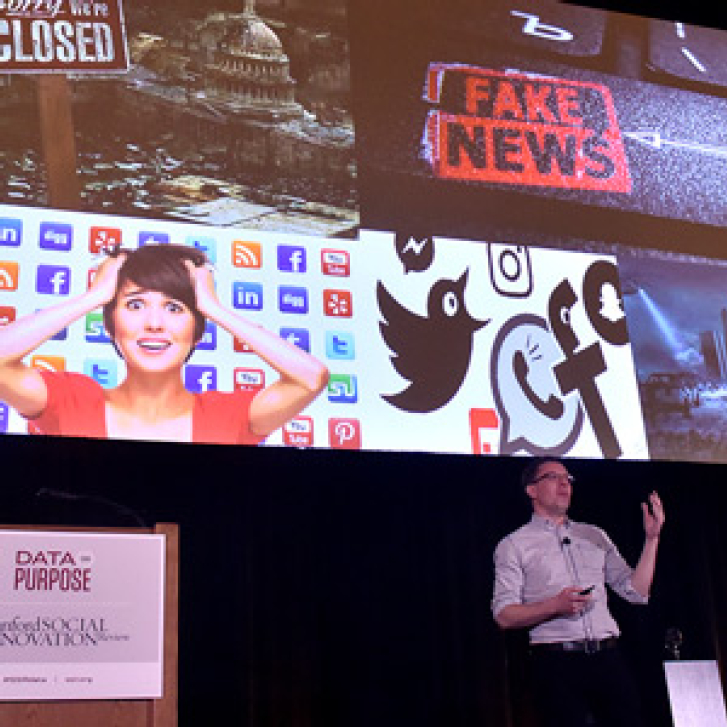
The social sector has an opportunity to create digital spaces that give people a meaningful role in shaping a collective future.