Philanthropy’s Missing Trillions
A demographic wave could soon funnel unprecedented dollars into philanthropy, but few nonprofits are poised to take advantage of the largest wealth transfer in human history.

A demographic wave could soon funnel unprecedented dollars into philanthropy, but few nonprofits are poised to take advantage of the largest wealth transfer in human history.

Surmounting daunting social challenges such as ending malaria or achieving marriage equality can require the help of an intermediary organization—a field catalyst—that amplifies the efforts of others. Open access to this article is made possible by The Bridgespan Group.

How search funds, a little-known private equity investment vehicle, can become a useful tool for impact investing.
Why early-stage entrepreneurs are essential building blocks for profound social change—and why they need greater investment.

Why nonprofits need to evaluate the ethics of their algorithms.

Creative leaders and innovators are thinking about design thinking in more mature ways. Moving away from a sole emphasis on language and learning, they are increasingly focusing on questions of application, ownership, and impact.
To make the best and most consistent decisions, impact investors need to think about values as much as they think about growth and financial returns.

How do India’s social innovators extend their reach to many constituents? They focus on the entire problem and adapt as they confront it.
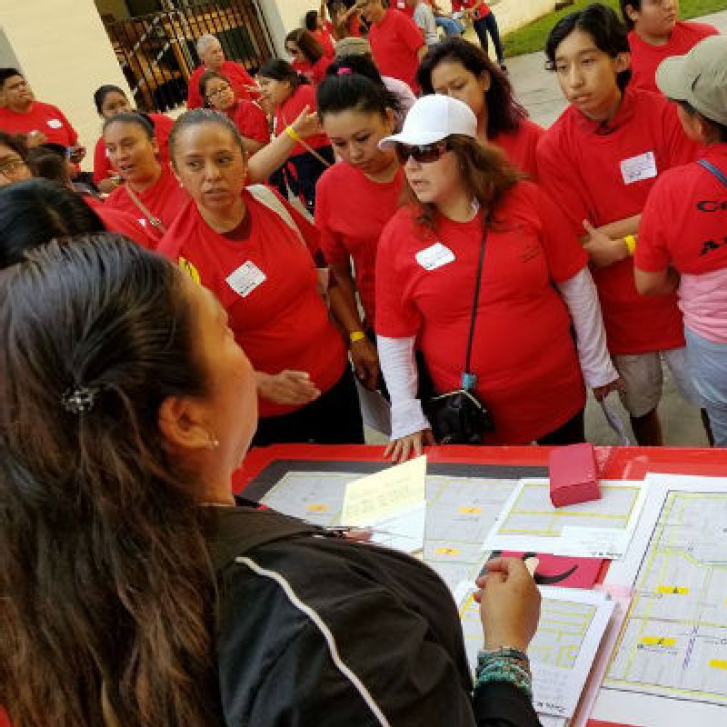
How an educational access collaborative evolved to give parents more say in creating educational opportunities for their children and help expand opportunities for first-generation students.