Global Issues
Research: Urban Emissionscapes
The mystery is over: A 10-city comparison of greenhouse gas emissions per capita pinpoints the sources of those emissions.
The mystery is over: A 10-city comparison of greenhouse gas emissions per capita pinpoints the sources of those emissions.
What happens when large companies receive resolutions from their shareholders pressing them to take better care of the environment?

By working closely with the clients and consumers, design thinking allows high-impact solutions to social problems to bubble up from below rather than being imposed from the top.
A powerful tool to engage givers is storytelling – telling stories about people, the problems they face, and the role philanthropy can play in addressing the symptoms and causes of those problems.
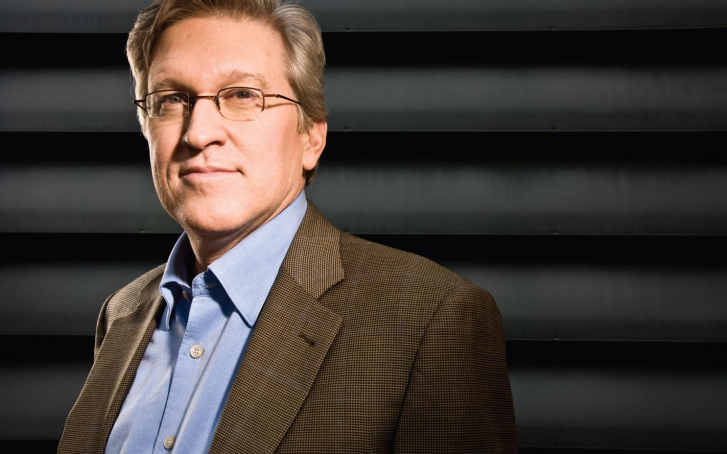
Jeff Raikes takes over the Gates Foundation at a turbulent time when philanthropic resources are down and social needs are up.
The Chicago Metropolitan Agency for Planning is an example of government collaboration.

Let there be light! That's Sam Goldman's motto, and he's taking it around the world. The founder of d.light design talks with Stanford Center for Social Innovation correspondent Sheela Sethuraman about how he is bringing affordable, ecologically sustainable electricity and lighting to billions who are now operating in the dark. In this audio interview, he details aspects of the design, function, marketing, and distribution of the organization's products, as well as the kind of impact the social enterprise is having in some of the most remote, poor areas.
India has one of the highest child mortality rates in the world. This points to an underlying economic problem: poverty. Most poor women in that country simply cannot afford adequate health care. In this audio interview with Stanford Center for Social Innovation correspondent Sheela Sethuraman, Anant Kumar talks about how Lifespring Hospital in India provides quality care to women and children, regardless of their level of income. He talks about how the effort was launched, how it is sustained, and future goals.
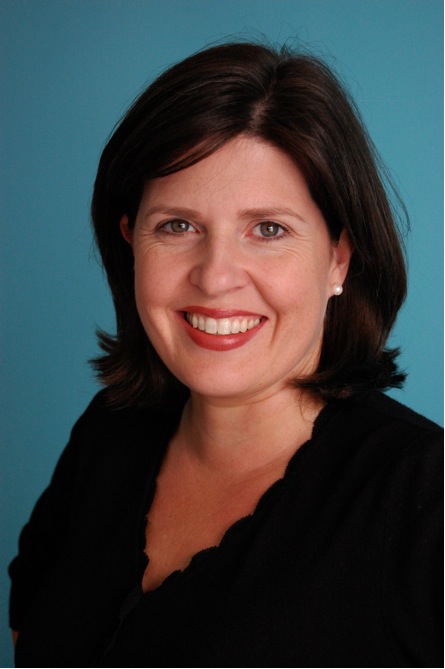
Navigating social networks could well be the ultimate nonprofit management tactic. In this audio lecture recorded at the Nonprofit Management Institute, Heather McLeod Grant discusses how individuals and organizations are using networked approaches to promote social change efforts. She focuses on the work of the Monitor Institute, in particular, and offers tips on how to use social networks effectively.
Ideas for increasing the impact of nonprofits through value-driven mergers, partnerships and management