


sponsored
Time for Philanthropy to Confront Ableism
If philanthropy is to build a more just and equal society, it must combat ableism in its own institutions and practices.
Collections of articles on a single topic, funded by a sponsor (more)

If philanthropy is to build a more just and equal society, it must combat ableism in its own institutions and practices.

People with disabilities are on the front lines of the climate crisis. Efforts to address the crisis must include them.
The pandemic has demonstrated that disability inclusion in philanthropy is more crucial than ever.

Empowering people with disabilities at work advances social inclusion and is good for business. Digital accessibility is essential to efforts at Microsoft to create opportunities for disabled talent.
After many years of excluding the disability community, philanthropy is starting to make changes. The Ford Foundation’s awakening on disability inclusion offers a model for the rest of the sector.

Funders must abandon top-down, one-sided funding approaches in favor of partnerships with the disability community.

Implementation science has not advanced equitable outcomes routinely, explicitly, or intentionally. Here’s how it can.

Centering equity in funding relationships requires trust. It also takes time, resources, and a willingness to shift power to the people closest to the problem.

Youth and young adults helped develop and implement a new initiative, Youth Thrive, that addresses the challenges they face in foster care.
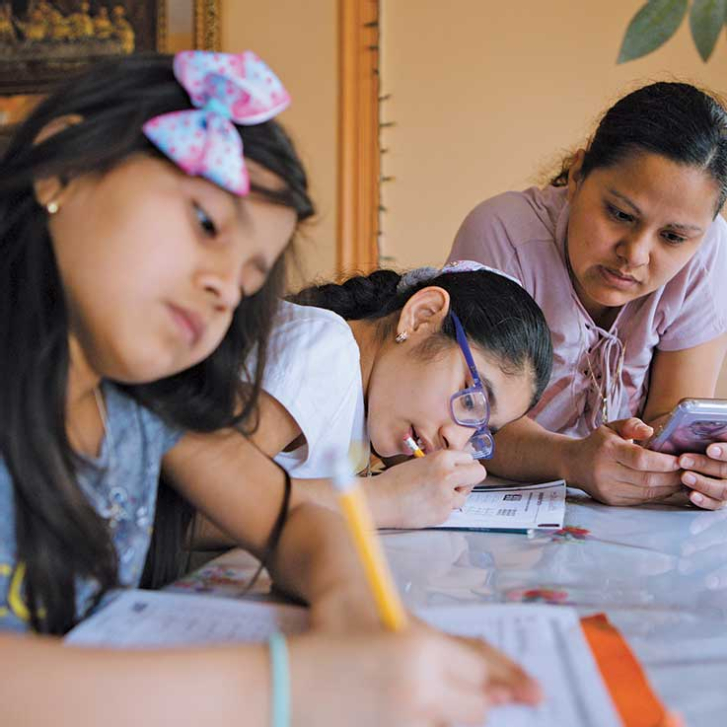
A new framework, Evidence2Success, gave the Children and Youth Cabinet a road map to put equity at the center of its work with young people.