

Grantmaking as Governance
Claire Dunning’s Nonprofit Neighborhoods examines how the US government funded the growth of—and delegated governance to—the nonprofit sector.
Innovative public sector policies and programs
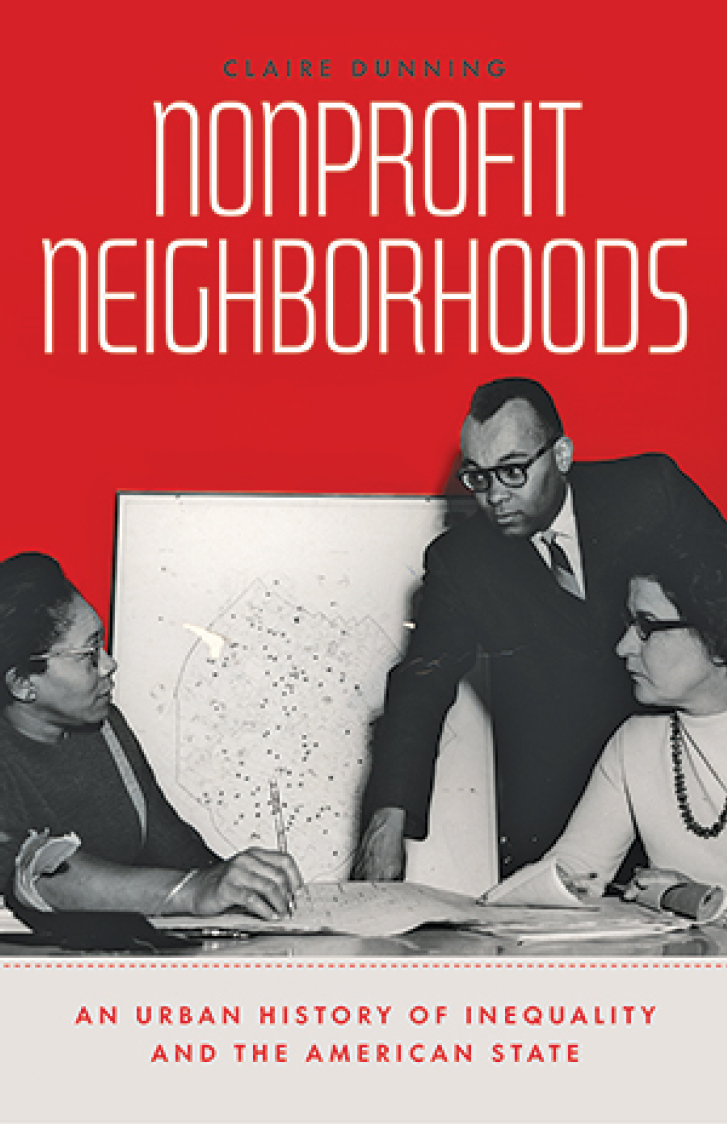
Claire Dunning’s Nonprofit Neighborhoods examines how the US government funded the growth of—and delegated governance to—the nonprofit sector.
In their new book, Ganesh Sitaraman and Anne Alstott treat libraries as just one model of a public institution that can thrive alongside market-based options like bookstores and provide desirable benefits to society more broadly and equitably than the private sector can do alone. A book review from the Winter 2020 issue.
Katherine Newman’s Downhill From Here challenges current economic thinking by arguing that the crisis in retirement security is caused by a flawed system, not flawed humans.

When the rights and benefits of formal organization became available to all, it unleashed a new social order and greater economic dynamism.

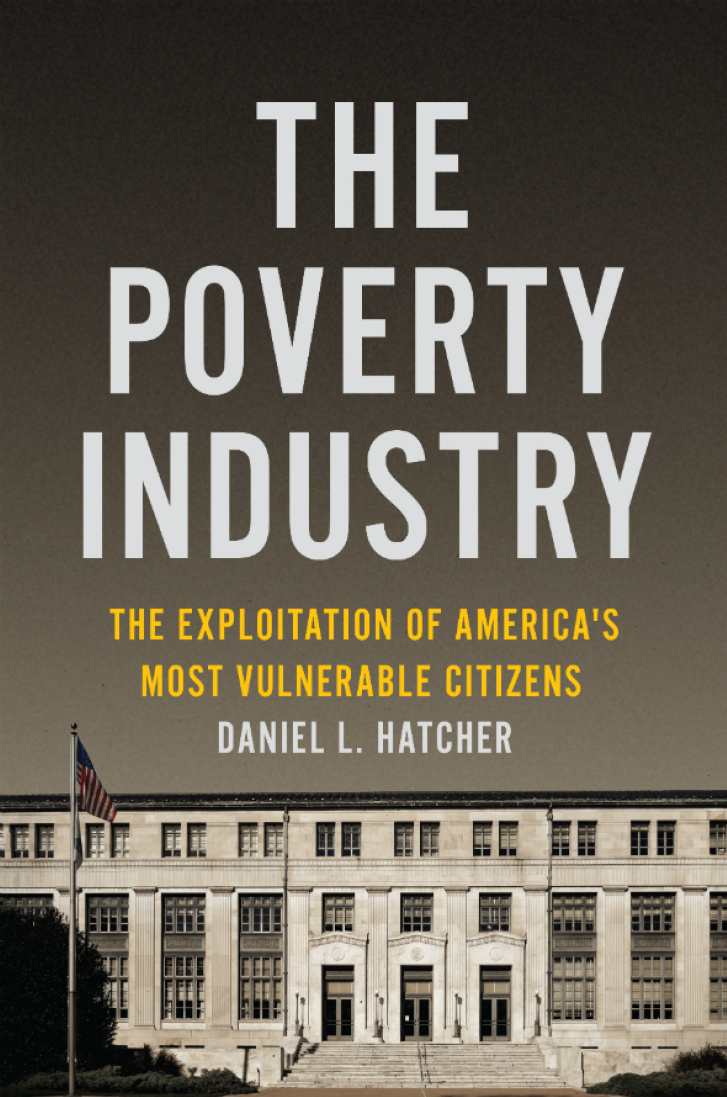
How social services agencies are squeezing revenue from the poor and vulnerable people they’re meant to serve.
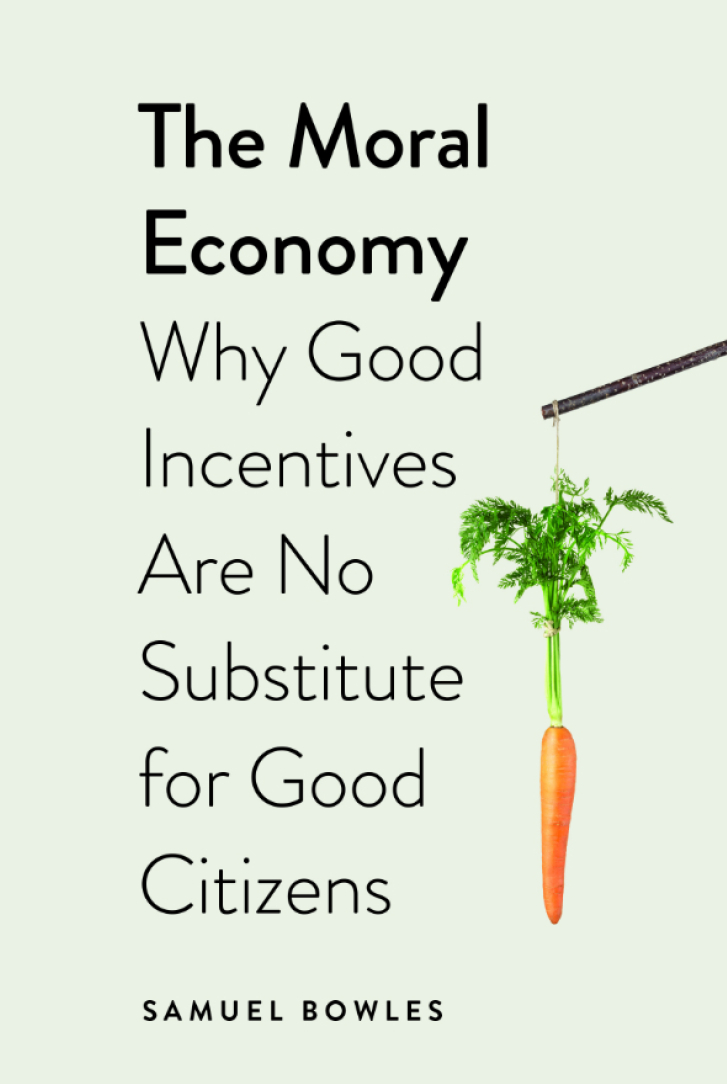
When we pay people to do things that they know they should be doing as good citizens, they tend to devalue the moral basis for acting that way.
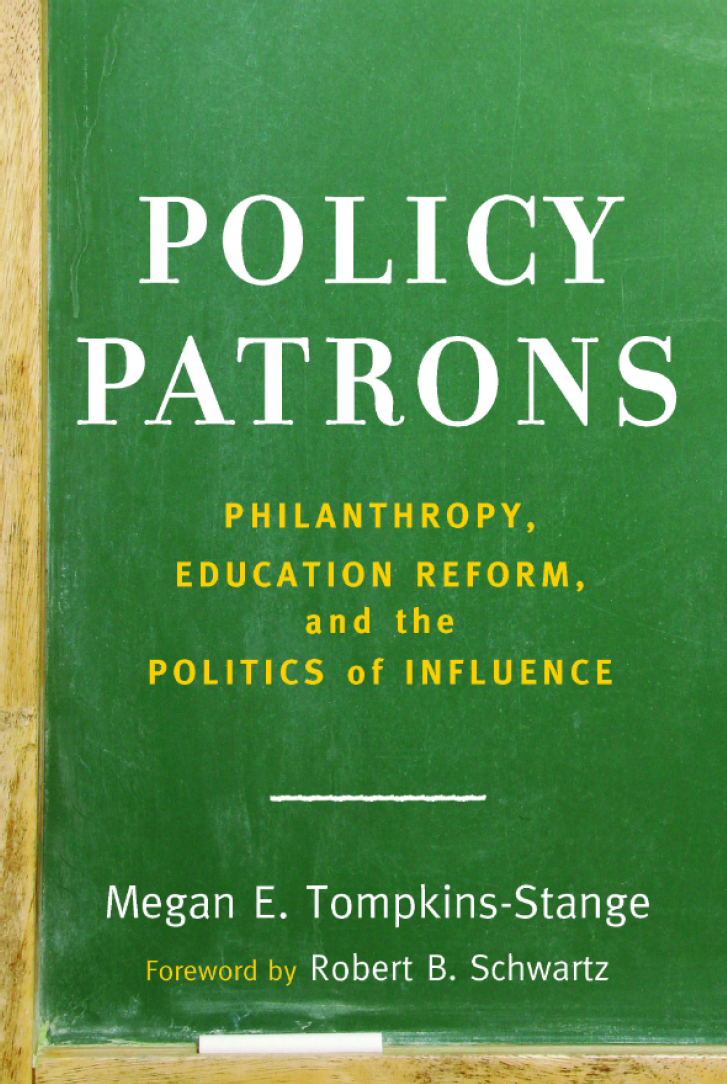
We should be more concerned about foundations’ outsized role in education policy.
Participatory budgeting, which enables citizens to decide how to spend public funds, is building a more empowering model of democracy.
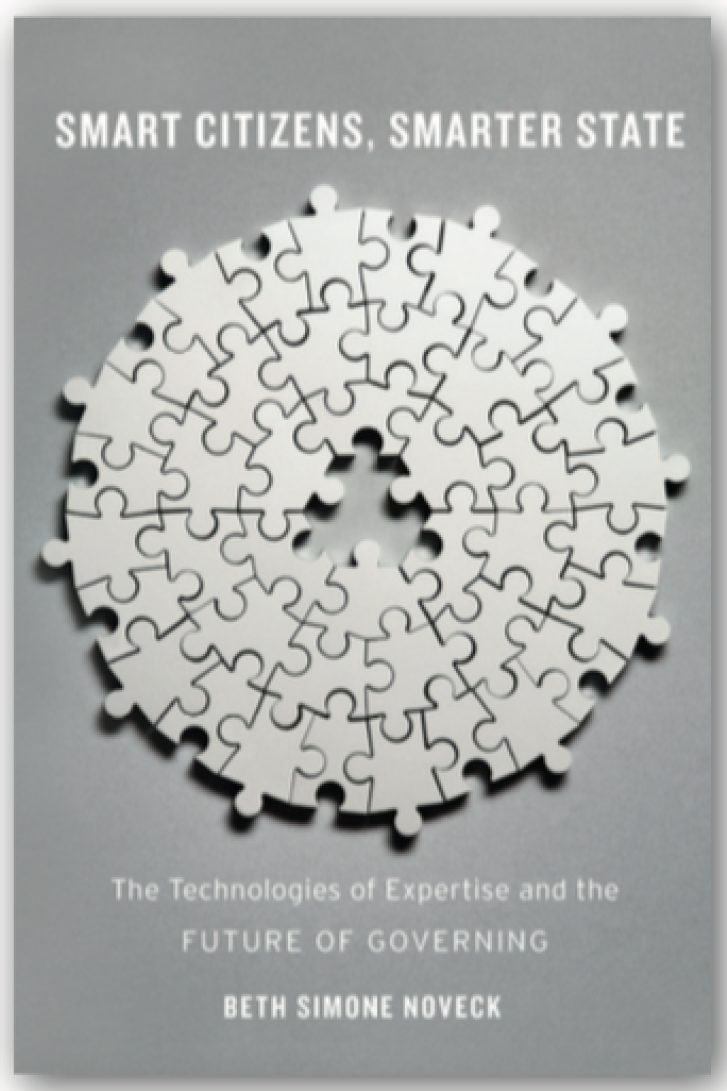
In an era of instant feedback and crowdsourcing, the government misses out when it relies solely on authorized voices.