


Organizational Development
Building Organizational Capacity for Constructive Conflict
Why compliance systems fall short, and how organizations can develop the skills and systems they need to effectively navigate and ultimately benefit from conflict.
Why compliance systems fall short, and how organizations can develop the skills and systems they need to effectively navigate and ultimately benefit from conflict.
How does a global approach to childhood cancer research advance treatments and cures? How are philanthropists around the world supporting this cause? Gloria De Dios of Foundation Ayudame a Vivir (AYUVI), Richard C. Shadyac of ALSAC, and Fred Kaynor of DAFgiving360 discuss St. Jude Global, an innovative endeavor at St. Jude Children’s Research Hospital to take lifesaving cancer treatments to children around the world. A sponsored podcast developed with the support of DAFgiving360

How to help big bet philanthropy lead to even bigger social change down the road
Nearly two decades after our founding, the Chorus Foundation and our allies take stock on what we have learned about philanthropy, power, and creating a better world.
At Kindle Project, we have embraced power-sharing models for more than a decade. Although we have gained many new insights, we continue to maintain that philanthropy must share power with the communities it seeks to uplift.

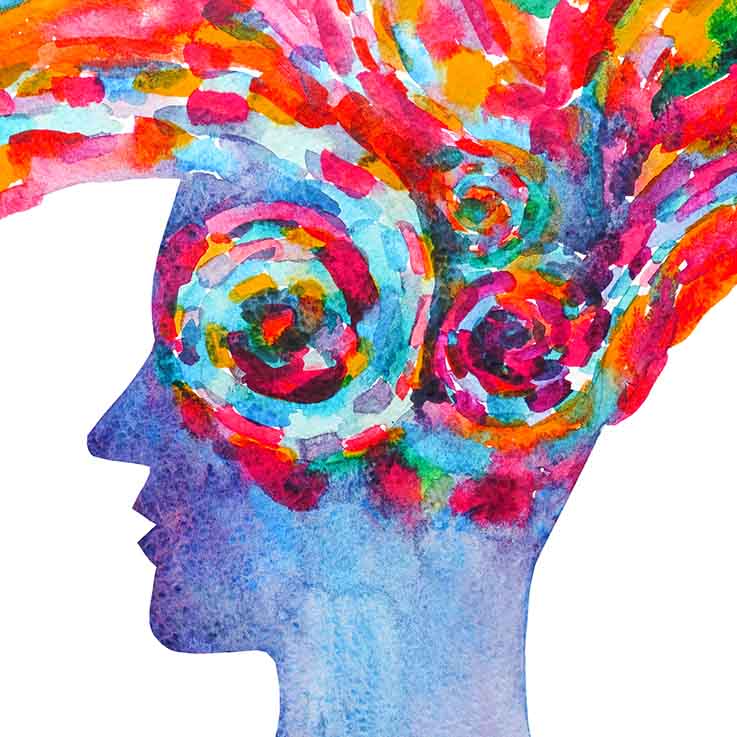
We designed the (Re)Generative Leadership Framework to be accountable to movements and future generations by creating the conditions to bring our best and full selves to achieve our vision.
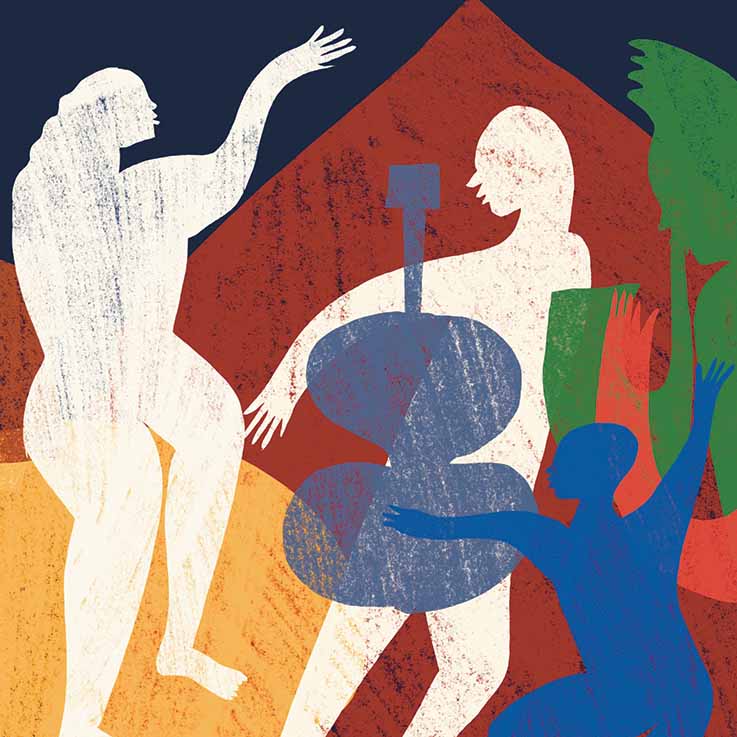
To achieve systemic change, philanthropy must invest in culture that builds community power.
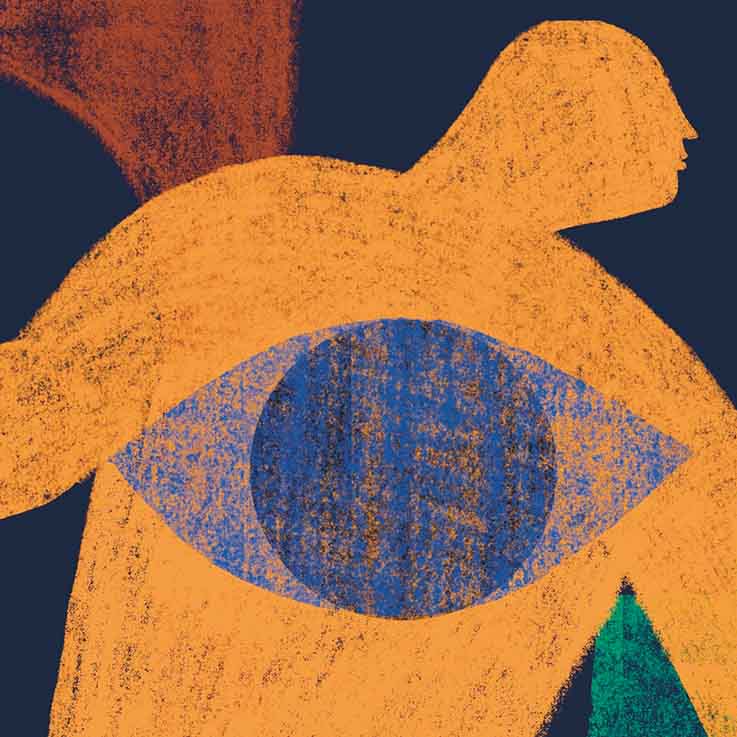

Philanthropy needs a new framework for building connection and trust with the communities it seeks to serve.
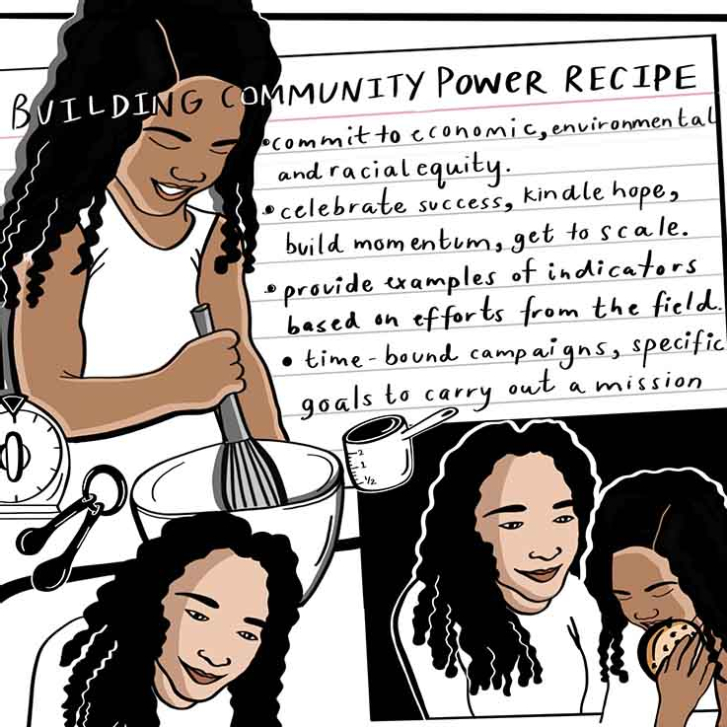
How to disentangle the different scales through which organizations build their capacity