Cities
Keeping Democracy Alive in Cities
Cities continue to be the place where citizens can engage most directly with government—especially when nonprofits are there to offer capacity, expertise, and reach.
Cities continue to be the place where citizens can engage most directly with government—especially when nonprofits are there to offer capacity, expertise, and reach.
If a “good” is held to be common, then surely that decision must come from community. Too often the community’s role is unexamined in this regard, but the intentionality of one Native culture in defining and protecting the common good might serve as an example to us all.

Framing the opioid epidemic as a crisis and an individual problem obscures the power of prevention and society’s role in promoting it.
Discourse and dialogue have always been the hallmarks of civil society, but when the power of government is used systematically to divide and exclude, it is the stinging conversations and actions at the leading edge of civil society that will reestablish the democratic ideals of an equitable democracy.
In both the conservative and progressive imagination, civil society is valued—for opposite reasons—as an arbiter between the individual and the national state. But by viewing civil society as the core of America’s social life, we can see our way toward a politics that might overcome some of the dysfunctions of our day.
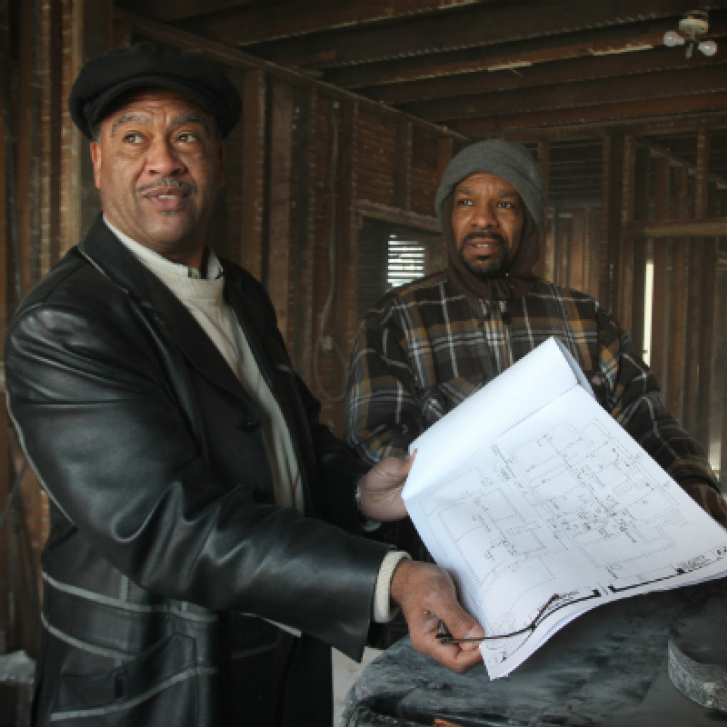
What is the difference between communities that are able to recover from disinvestment and those that cannot? The answer, according to recent research from MDRC, are the presence of strong social networks.
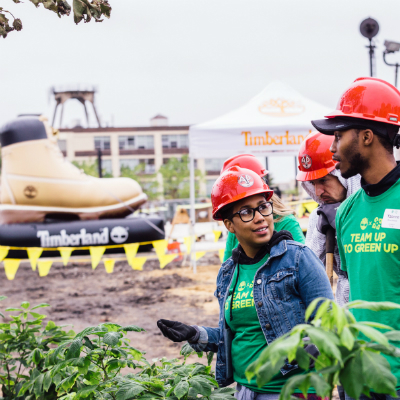
When Timberland began inviting its partners to join volunteer service days, the result was both good for local communities and good for business.

Chicago’s My Block My Hood My City uses the concept of travel to get young, low-income residents more connected with their city.

While a national effort to eliminate open defecation across India still has a long way to go, a variety of local and regional efforts aimed specifically at changing behavioral norms are pointing the way forward.
To attain affordable housing for all, we must build public support by shifting narratives away from consumer choice and personal responsibility.