Foundations
Letting Go
Two insiders explore why foundations micromanage how social problems are solved and explore what grant makers can do to foster high impact strategies.
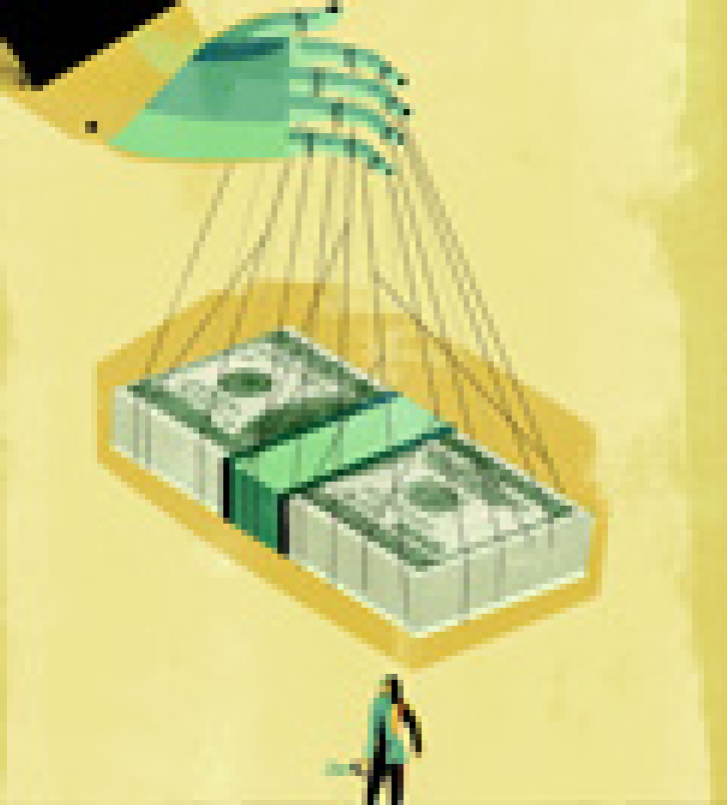
Two insiders explore why foundations micromanage how social problems are solved and explore what grant makers can do to foster high impact strategies.
The secret to success in dealing with a crowd is learning how to tap into their energy, enthusiasm, and talents.
20Under40: Re-Inventing the Arts and Arts Education for the 21st Century Edited by Edward P. Clapp

Jeannie Stamberger discuss how to write retweetable messages, how to separate legitimate helpers from posers and how to use social media to prevent loss of life.
The information systems we're building are starting to get better at taking input from crowds and using it to help us mine data for what we will most likely want or need.
The philanthropic community might access the “constituent’s voice” through user reviews of nonprofit organizations written by clients, volunteers, and other stakeholders.

Transforming the world of microfinance, Kiva.org has successfully implemented strategies that powerfully effect human engagement.
A look at examples of high-impact crowdsourcing and the movement for more open collaboration and transparency in the giving sector.
With rapid mobilization the potential for networked philanthropy is growing.

Kiva has created an online marketplace that allows ordinary citizens to help specific entrepreneurs around the world to thrive with as little as $25. In this Stanford Center for Social Innovation sponsored audio interview, Kiva President Premal Shah discusses how the social enterprise relies on bazaar management techniques to carry out the organization's everyday functions. He describes the benefits of cost reduction and execution time and talks about the possibilities bazaar management opens for social entrepreneurship and the for-profit sector in general.