Technology
Critical Skill for Nonprofits in the Digital Age: Technical Intuition
Not everyone needs to become a tech expert, but all activists and nonprofit leaders must develop skills to inquire about, decide on, and demand technological change.
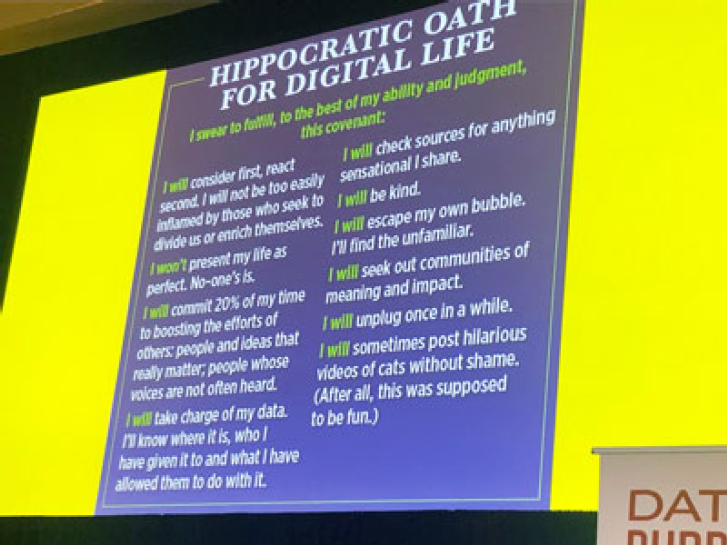
From emphasizing the importance of a data culture to exhorting people to "move thoughtfully and improve things," nonprofit leaders, funders, scholars, and technologists at SSIR's 2019 Data on Purpose Conference provided deep insights into surviving and thriving in an increasingly digital world.
It is imperative to include customers in solving problems, but jumping straight into human-centered design misses the rich and insightful data required to shift the system and achieve better results.
Employee surveys can help organizations surface fresh perspectives and new thinking while building a culture that rewards curiosity. Part of a series produced for SSIR with the support of the Hewlett Foundation.
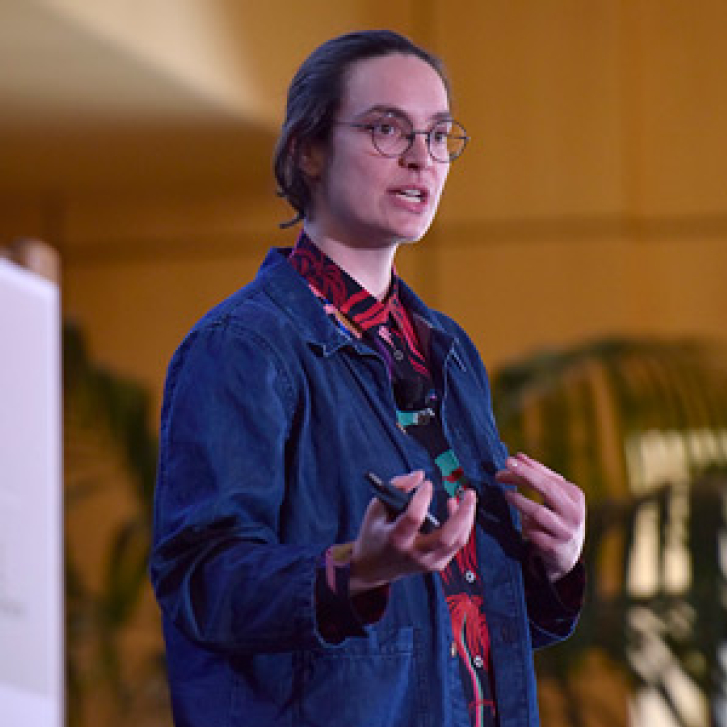
Asha Curran, chief innovation officer at the 92nd Street Y and director of its Belfer Center for Innovation & Social Impact, discussed the evolution of the grassroots giving movement at our 2018 Data on Purpose conference.
An international roster of donors has dispersed billions of dollars since 2000 to address social issues targeted by the United Nations’ Sustainable Development Goals. Their efforts highlight four ways that big bets can achieve big social change.
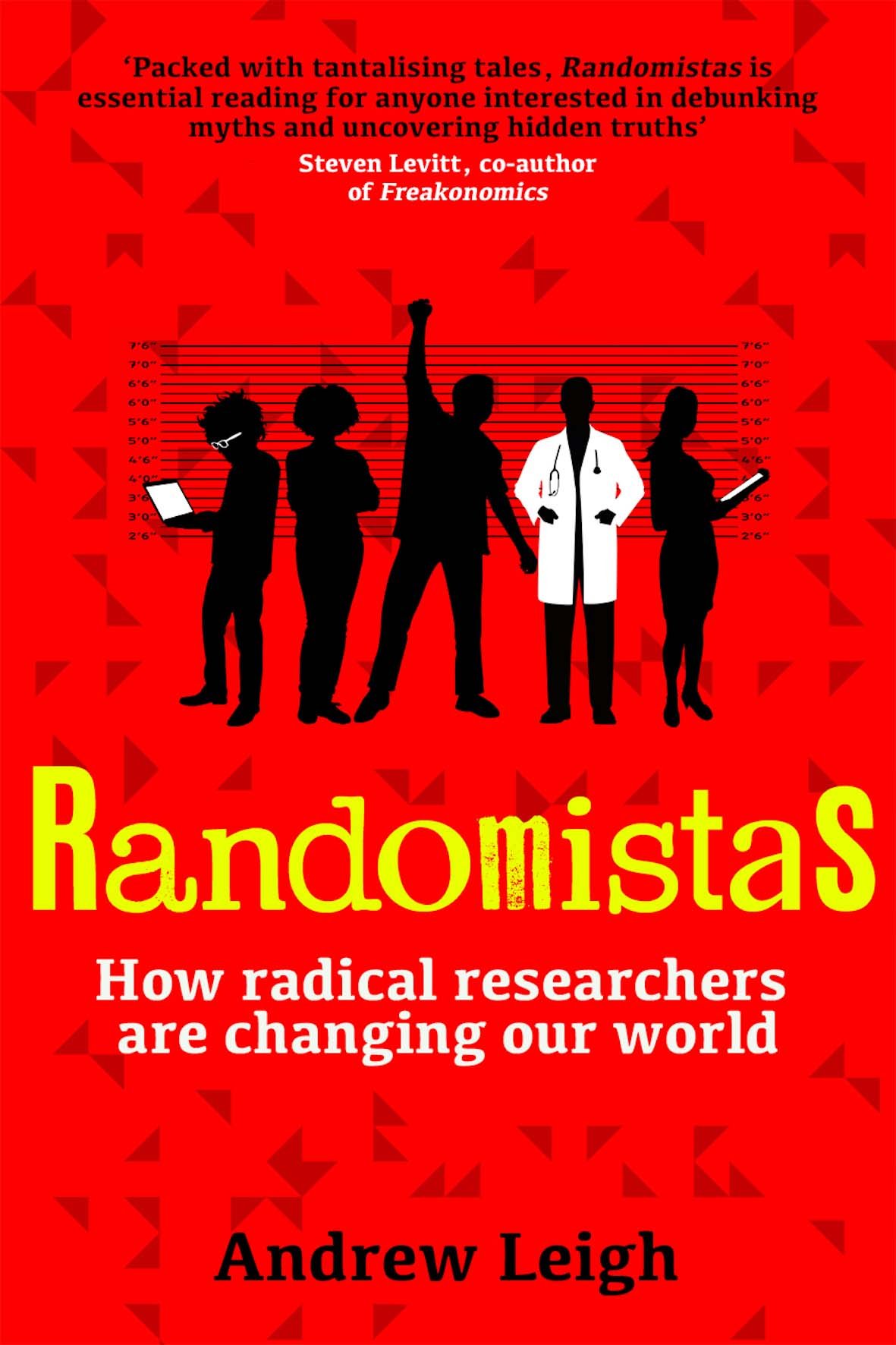
Andrew Leigh’s Randomistas: How radical researchers are changing our world celebrates the triumphs of RCTs.
How the social sector can lead the way to ethical and responsible data use.
Reimagining the Civic Commons claims it has built the first comprehensive set of metrics that connect the impact of revitalization to things like trust between people, neighbors' perceptions of safety, and a community’s ability to draw together people of different incomes, races, and backgrounds.
Making sure everyone at your organization captures, synthesizes, and communicates data in the same way is a worthy investment of time and resources.