Civil Society
Circles of Change
Lending circles, self-help groups, and study circles are among the oldest and most effective tools for creating personal and social change.

Lending circles, self-help groups, and study circles are among the oldest and most effective tools for creating personal and social change.
It is still necessary today to protect against the power of factions; it is vital this critical aspect of American democracy is restored.
We need to shift the narrative to include the link between exceptional solutions and the systems change and scale needed to deliver a just baseline.

Jocelyn Wyatt, social innovation lead at IDEO, describes her organization's efforts to use design thinking, a problem-solving system that is grounded in a client's or costumer's needs.
The second son of the former Libyan president wrote a dissertation entitled “The Role of Civil Society in the Democratization of Global Governance Institutions: ..."
A recent study showed that online game communities provide access to social capital.
Private foundations that finance education in developing countries need to be more transparent in their mission and impact.
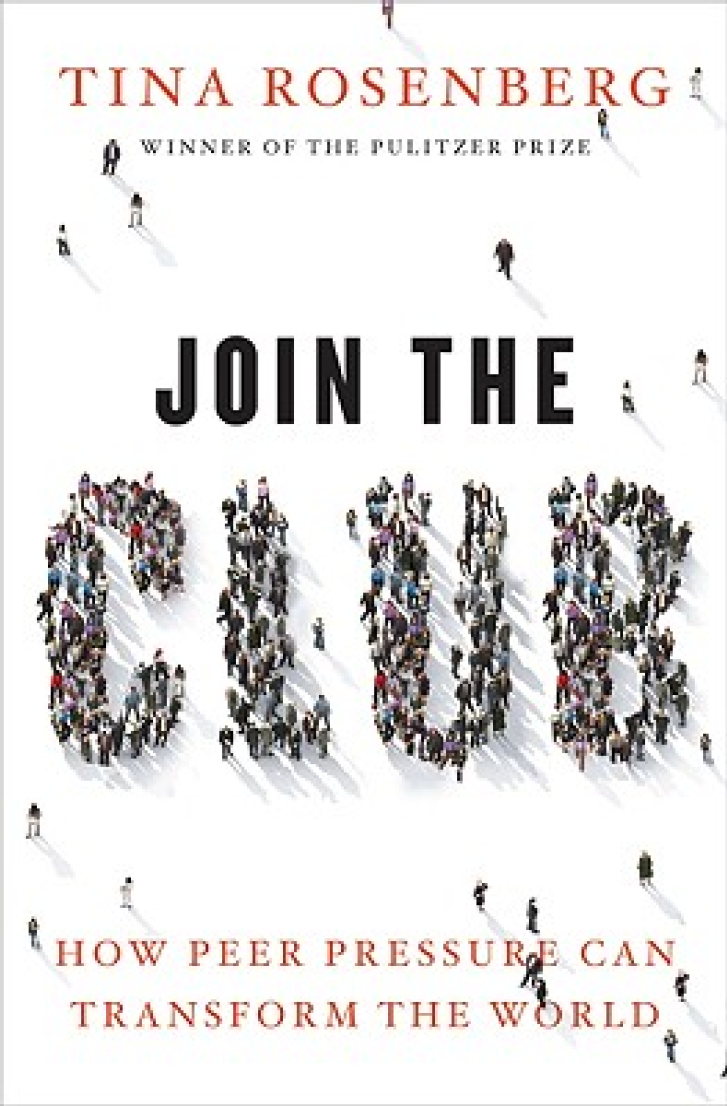
Join the Club: How Peer Pressure Can Transform the World by Tina Rosenberg
Direct participation by Indonesian villagers proves that process matters, even when outcomes don't change.
The most important issue for the social sector in the United States in 2011 will be the effects of the Supreme Court’s decision in Citizens United vs. the Federal Election Commission (FEC).