Philanthropy & Funding
Helping Donors Get Unstuck
Many philanthropists have the capacity and desire to give more. A few simple strategies can help them overcome common roadblocks.

Many philanthropists have the capacity and desire to give more. A few simple strategies can help them overcome common roadblocks.
While conflict is a natural part of any relationship, family philanthropies must manage it well to ensure internal issues are not a barrier to impact. What are the best ways to anticipate and deal with disagreements when they arise? Three leaders with experience in the field share their perspectives. A sponsored podcast developed with the support of DAFgiving360
In a time of complicated transitions and historical opportunities, philanthropic families must reflect on their purpose, pace, power, and practices.

Far from constraining foundations, donor intent protects them from short-term thinking and liberates their creativity.

Families that use successful multi-generational giving strategies can make an impact on important issues, foster a tradition of philanthropy, and deepen their relationships. SSIR publisher Michael Voss speaks with Suzanne Wheeler from Mariner Wealth Advisors and Mary Jovanovich from Schwab Charitable. A sponsored podcast developed with the support of DAFgiving360.


Taxpayers should not have to subsidize excessive pay for executives at charities meant to serve the public good.

Plutocratic biases are baked into the policies that structure charitable giving and big foundations. We must overhaul philanthropy to make it better serve democratic ends.
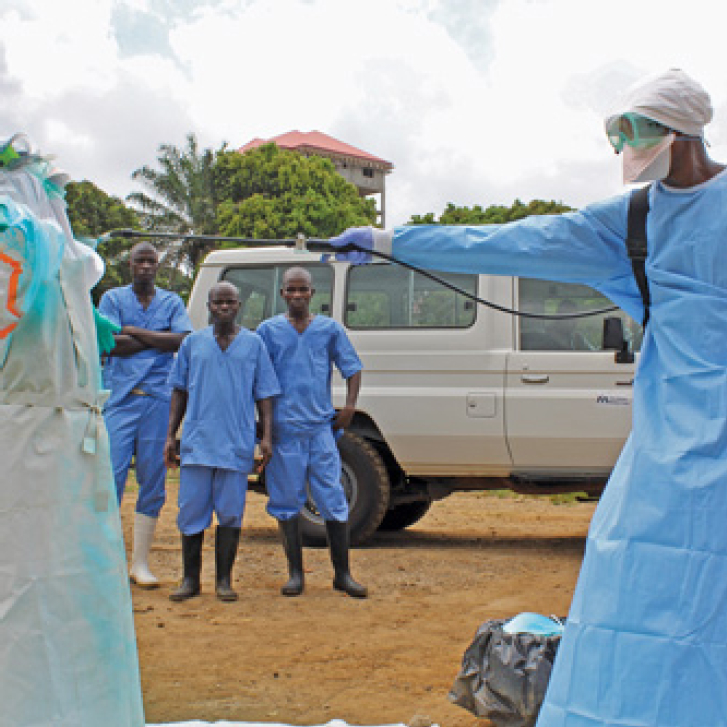
At The Lemelson Foundation, we seek to foster inventions that will have social impact and improve lives. But our support for early-stage innovation could not succeed without a trusted network of grantees and partners.

Big bets can make a big difference, but only if they catalyze interest and follow-up investment in the problems they seek to address.
Bringing non-family members, people with diverse perspectives, and professional advisors into decision-making can help family foundations take greater risks and bolder action toward their missions.