


Measurement & Evaluation
Philanthropy’s Most Important Metric Is the One It Never Measures
We judge philanthropic capital's impact by what it builds while it is building. We should judge by what stands, without it, after the grant has ended.

We judge philanthropic capital's impact by what it builds while it is building. We should judge by what stands, without it, after the grant has ended.
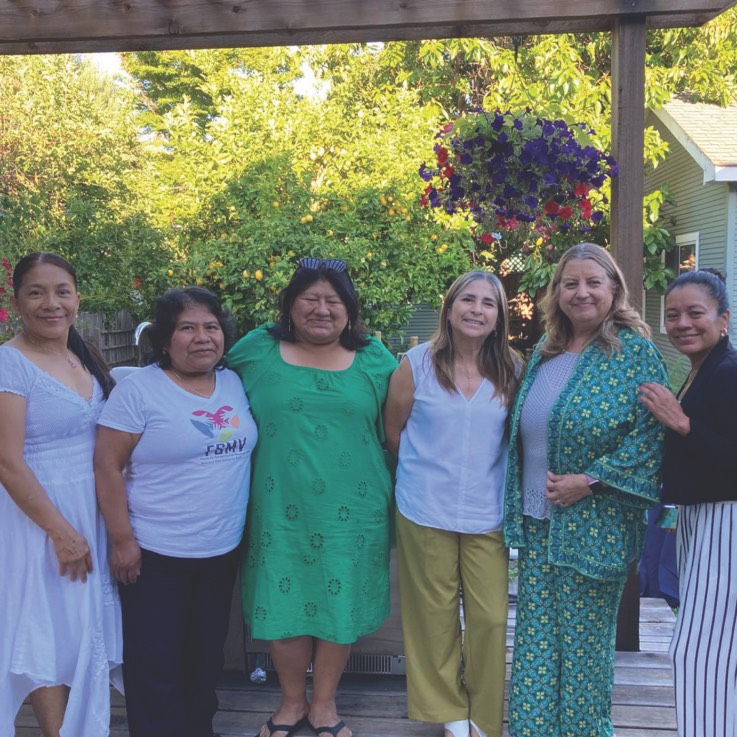
A grassroots effort in Silicon Valley addresses the needs of the working-class immigrant community.

In 2007, we published research analyzing how nonprofits with more than $50 million in annual revenue were funded. Has anything changed?

Five years after passage of the Evidence Act, has it worked? And what's next?

To take part in transformative social change, philanthropists must think toward a future in which their own centrality is diminished.

Funders must examine how to realistically drive measurable progress on sustainability in the fashion industry.
This two-day open-access virtual conference we will bring together some of the sharpest minds in this field to explore the risks of tech innovation that fails to serve labor, and envision what is needed to build a better, more worker-centered digital economy.
Access this webinar

A checklist to avoid common problems that funders have identified in evaluating applications.

Those who are closest to problems are often the ones with the greatest insights into how to address them. In many ways, that's the ethos of participatory grantmaking, which empowers communities to decide who and what gets funded. SSIR publisher Michael Voss speaks with Maria De La Cruz of Headwaters Foundation for Justice, Irene Wong of The David & Lucile Packard Foundation, and Mary Jovanovich of Schwab Charitable about what this approach looks like in action. A sponsored podcast developed with the support of DAFgiving360.