Technology
Purpose-Built Platforms
An excerpt from The Tech That Comes Next on the technology needed to create a more inclusive, equitable world.
Telling diverse and inclusive stories for social change that center marginalized communities and build understanding requires that we show the complex ways communities experience systems of inequality.
Last spring, as the COVID-19 pandemic magnified the United States’ racial and class inequities, Teach for America endeavored to put philanthropic power in younger, more racially diverse hands.
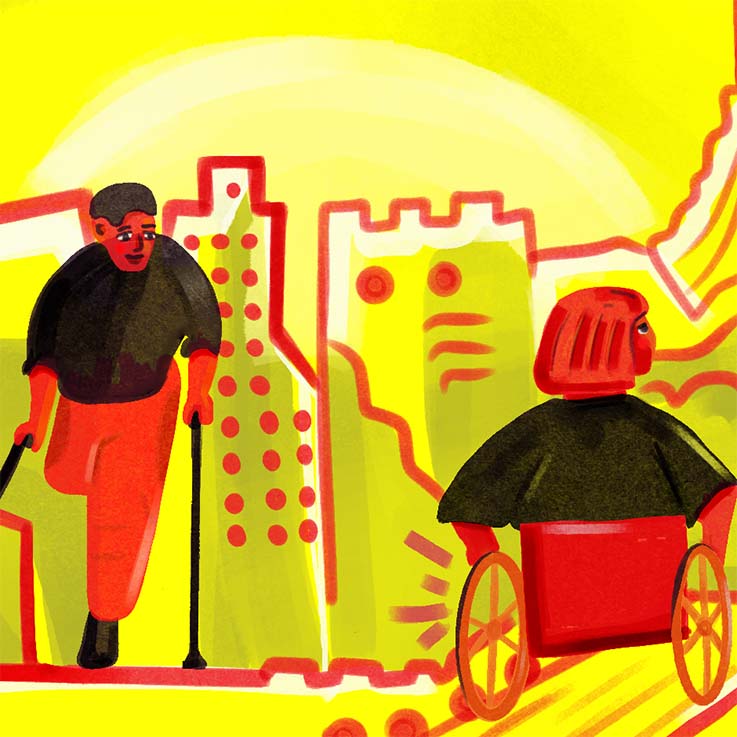
Disability is a relatively untapped area of investment for philanthropy, but one that offers promise of change and multiple avenues for donor impact.
White men have taken extraordinary measures to keep construction unions white and have designed their unions to frustrate and intimidate prospective Black members.
Four strategies for organizational activism—advocate, subvert, facilitate, and heal—can help the increasing number of people who want to challenge racism, sexism, heterosexism, ableism, and other injustices in the workplace.
Think tanks can only help pave the path toward a more inclusive, just, and equal country if we modernize our concept of expertise, re-think who gets to drive policy change, and re-imagine how policy is developed.
For people who are looking to invest responsibly, Adasina Social Capital has established the Adasina Social Justice Index, which informs investors about opportunities in four areas: racial justice, gender justice, economic justice, and climate justice.
When real Native people are invisible in the media, false narratives and toxic stereotypes are the average American’s only exposure to Native realities.
To be laboratories of a more inclusive prosperity, American companies need to try new ways to help workers share in the fruits of their labor, and they need the space and freedom to experiment.