
Philanthropy & Funding
Development Impact Bonds: There’s Still No Free Lunch
We’re in big trouble if complicated, expensive schemes like these are what it takes to get big funders to fund for impact.
We’re in big trouble if complicated, expensive schemes like these are what it takes to get big funders to fund for impact.
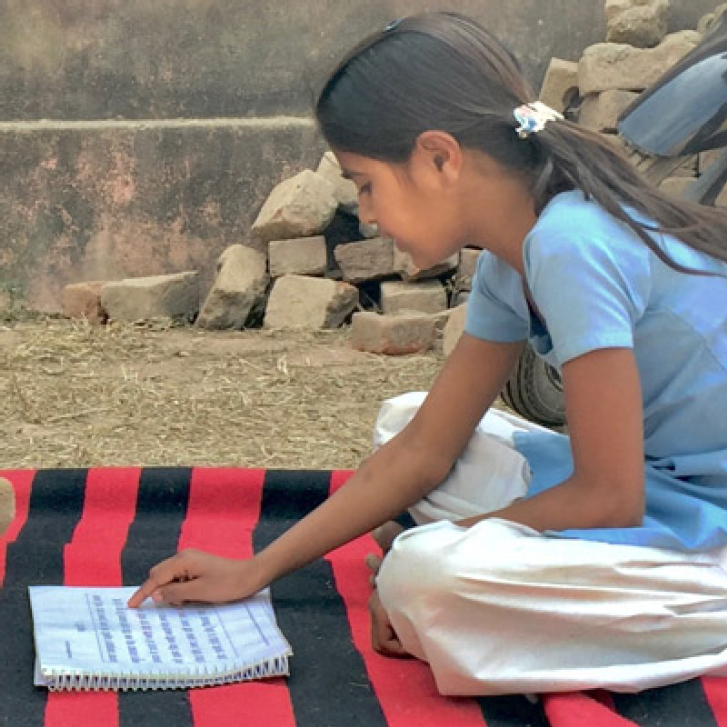
Billions of dollars are poised to flow into development impact bonds (DIBs) as a mechanism for solving social challenges around the world. Now is the time to make sure these complex structures are grounded in sensible approaches to measuring impact.

Whether someone is investing in a tech startup or a grassroots advocacy organization, the same rules of success apply. Open access to this article is made possible by American Jewish World Service.

Global aid agencies must shift from just agreeing to “go local” to preparing development experts for the task.

Most global development programs still segment people by demographics when trying to change their behavior. We must learn from the private sector and segment people based on the reasons behind their actions. Open access to this article is made possible by The Surgo Foundation.
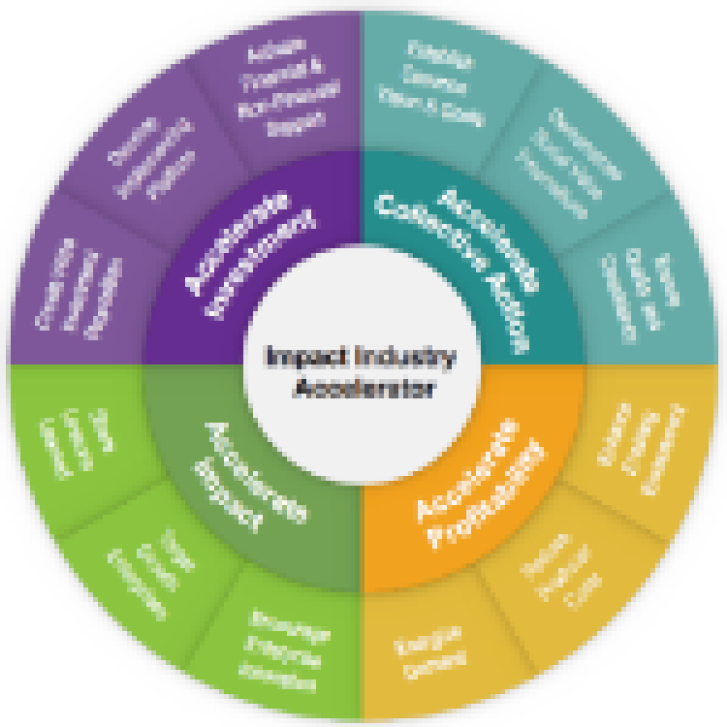
The experience of the Global Alliance for Clean Cookstoves in accelerating investment, collective action, profitability, and impact provides lessons for other impact industries attempting to do the same in base of the pyramid markets across the developing world.

For-profits and nonprofits play different roles in bidding for international development contracts.
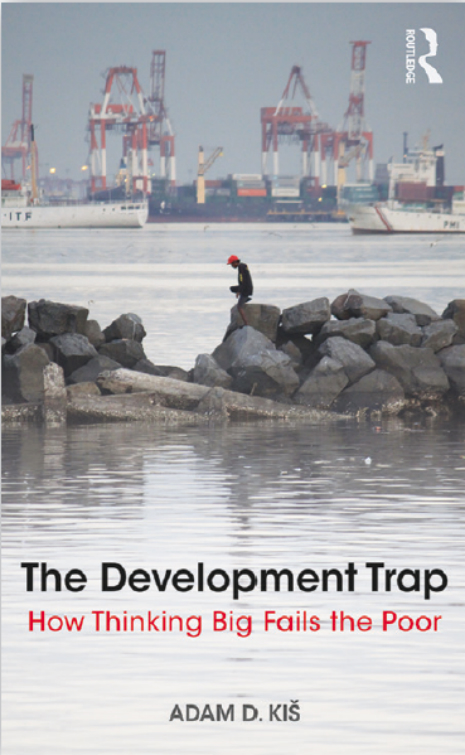
Practitioners and funders in global development need less idealism and more pragmatism, Adam D. Kiš argues in The Development Trap.
While people in the Western world often assume that extended families in developing countries are oppressive to women who marry into them, family support can actually enable women to take on paying jobs outside the home.