


Education
The Persistence of Black College Students
Black students attend college at greater rates than expected, given their socioeconomic disadvantages, and thereby attain more degrees than expected.

Black students attend college at greater rates than expected, given their socioeconomic disadvantages, and thereby attain more degrees than expected.
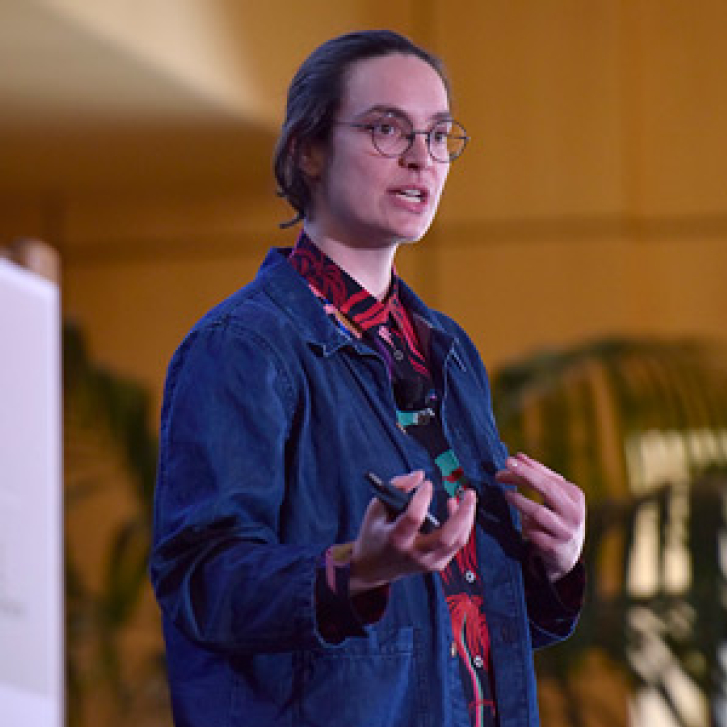
Not everyone needs to become a tech expert, but all activists and nonprofit leaders must develop skills to inquire about, decide on, and demand technological change.

Anxiety about debt and financial stability can severely reduce the productivity and health of employees, which can hurt a company’s bottom line. Businesses, government, and philanthropic organizations should embrace the case for improving the financial well-being of workers.

Programs like Teach for America can help participants take on the perspectives of those they seek to help.
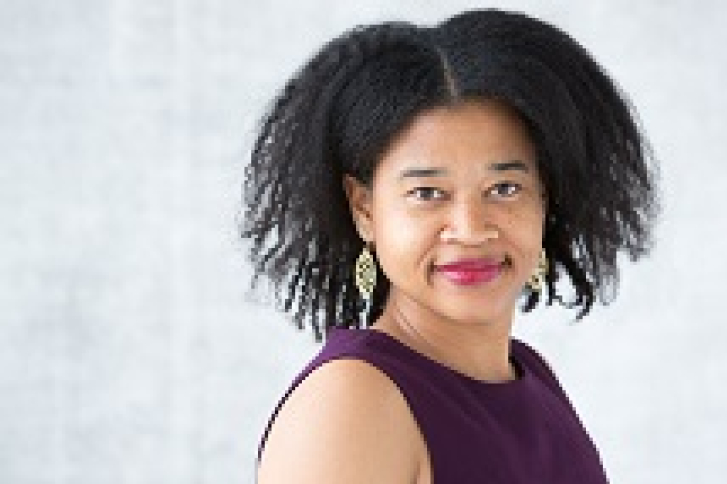
Four leaders discuss the racial and gender stereotypes that stymie black women and offer advice on how to create more inclusive work environments.
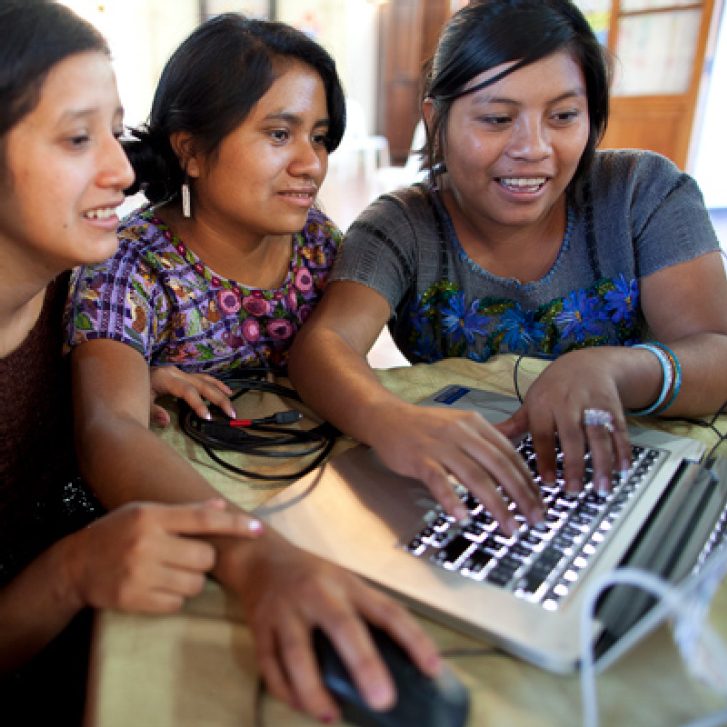
A framework for programs focused on empowering adolescent girls.
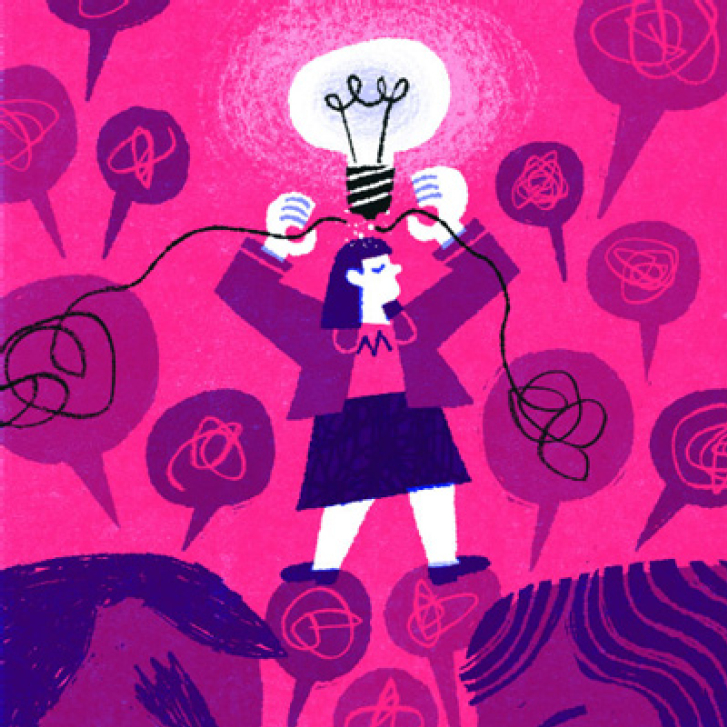
Too many organizations ignore or avoid addressing internal conflict. A healthy perspective on disagreement can increase resilience and spur needed innovation.

New research explores when top-down control works best in international development work, and when organizations should let employees in the field navigate challenges by using their own judgment.

Employees are willing to make sacrifices to participate in social-impact projects, partly because they see them as opportunities for career advancement.

Employee-driven corporate social initiatives promise greater success than standard programs.