sponsored
A New Era for Corporate Philanthropy
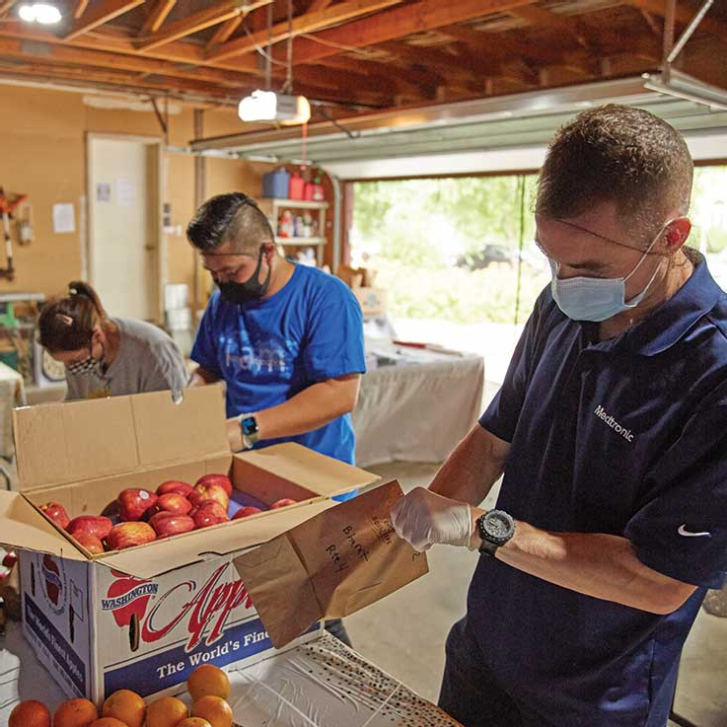
An overdue need to address social and health inequities has collided with compounding global crises, forcing businesses to reevaluate their values.
Six lessons on how corporate philanthropies can strengthen community connection and communications.
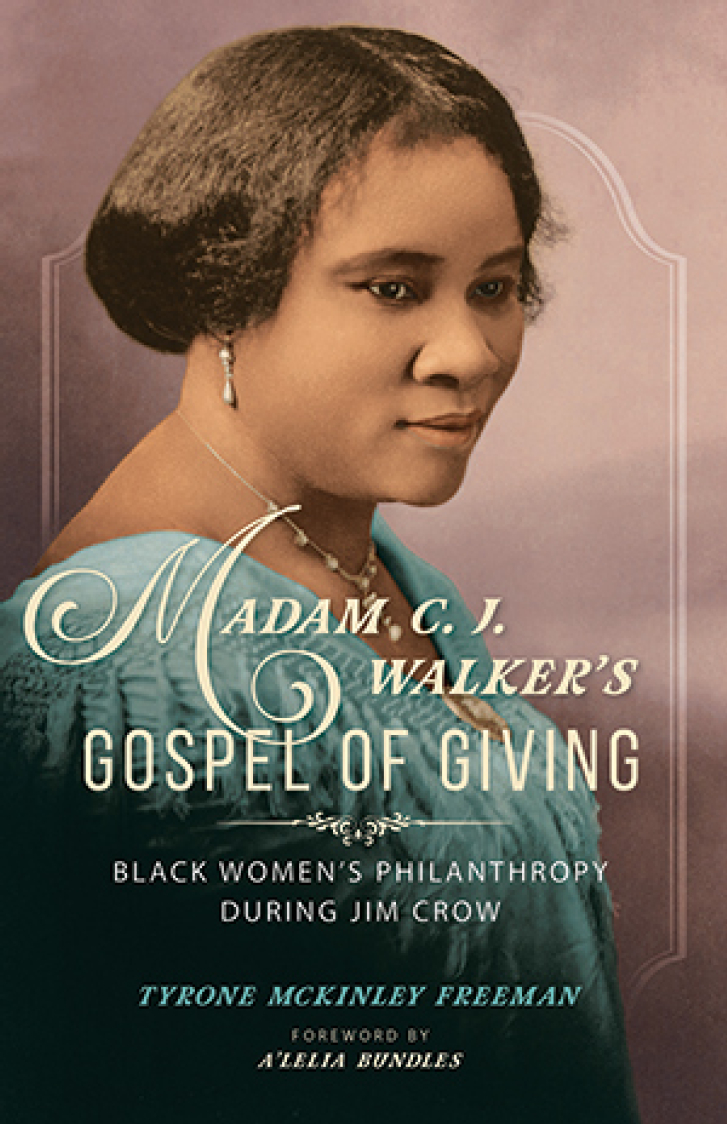
A new biography of Madam C. J. Walker shows how America’s first self-made female millionaire and Black entrepreneur put philanthropy at the center of her business and life.
As nonprofits emerge from the shock of the pandemic and financial crisis, there is an opportunity to rethink fundraising and improve donor retention rates by embracing emerging technologies like artificial intelligence.
Donors trying to decide what type of gift to make can sometimes face a challenge as difficult as knowing what cause to fund in the first place. SSIR Publisher Michael Voss discusses restricted gifts, unrestricted gifts, and endowments with Lisa Spalding of The Philanthropic Initiative (TPI) and Stephanie Diamond of Schwab Charitable. A sponsored podcast developed with the support of DAFgiving360.
Over the past decade, the popularity and use of donor-advised funds have grown dramatically. How can they help nonprofits strengthen their operations? SSIR publisher Michael Voss speaks with Richard C. Shadyac, Jr., of the American Lebanese Syrian Associated Charities at St. Jude Children's Research Hospital, and Fred Kaynor from Schwab Charitable. A sponsored podcast developed with the support of DAFgiving360.
Families that use successful multi-generational giving strategies can make an impact on important issues, foster a tradition of philanthropy, and deepen their relationships. SSIR publisher Michael Voss speaks with Suzanne Wheeler from Mariner Wealth Advisors and Mary Jovanovich from Schwab Charitable. A sponsored podcast developed with the support of DAFgiving360.
Limiting what counts as philanthropy has curtailed our understanding of its scope and social value. A more expansive approach shows how it is essential for creating a more equitable and democratic society.
Open-access to this article made possible by Indiana University Lilly Family School of Philanthropy.
Critics claim that DAFs unduly postpone funds needed by charities, but the vehicle offers many benefits that may outweigh its costs.
The conversion of government-owned or -controlled assets into charitable endowments, or "philanthropication through privatization," has succeeded around the world in creating effective foundations for social good.