Health
The Crisis of Youth Mental Health
Children and adolescents confront a mental health treatment gap in which many who need help do not get it. Philanthropy can help fill this gap by investing in new models of delivering care.

Children and adolescents confront a mental health treatment gap in which many who need help do not get it. Philanthropy can help fill this gap by investing in new models of delivering care.

This supplement brings together the latest thinking about how big-bet philanthropy is changing the ways that the nonprofit sector is working to address major social problems.

The founder and editor of Inside Philanthropy argues in favor of giving that addresses humanity’s most urgent needs.

The cofounder and executive director of One Acre Fund and the managing director of One Acre Fund USA write about the role a big bet played in helping their organization expand its impact.
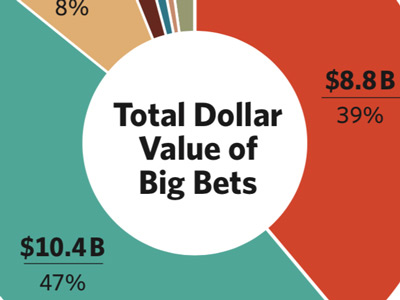
Among the big donors were the National Fish and Wildlife Foundation, the Bill & Melinda Gates Foundation, and Bloomberg Philanthropies.

Asha Curran, chief innovation officer at the 92nd Street Y and director of its Belfer Center for Innovation & Social Impact, discussed the evolution of the grassroots giving movement at our 2018 Data on Purpose conference.
Finding viable solutions to social problems requires that we reconfigure the relationships between those who hold power over communities and those who are impacted by how that power is used.
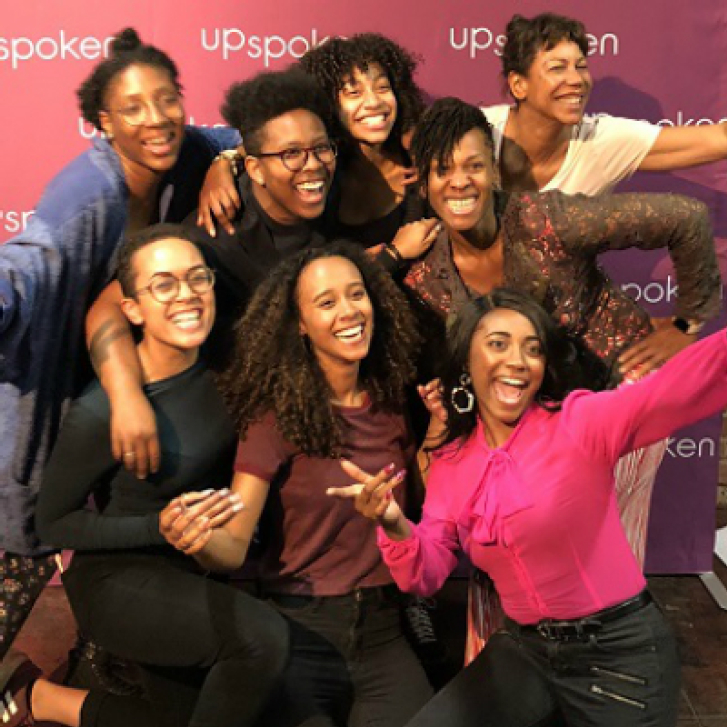
By speaking up about money and acknowledging the many choices they have, funders can more effectively channel their full spectrum of resources to achieve change.
What constitutes “good” failures in philanthropy, and how can we have more of them?
Being a courageous and ethical leader in philanthropy means learning to listen, and sharing our power by encouraging, empowering, and enabling others.