


The 10 Most Popular SSIR Articles of 2022
Highlights from the magazine and website cover ESG, leadership, systems change, and more.

Highlights from the magazine and website cover ESG, leadership, systems change, and more.

A new report calls into question the future of ESG integration.
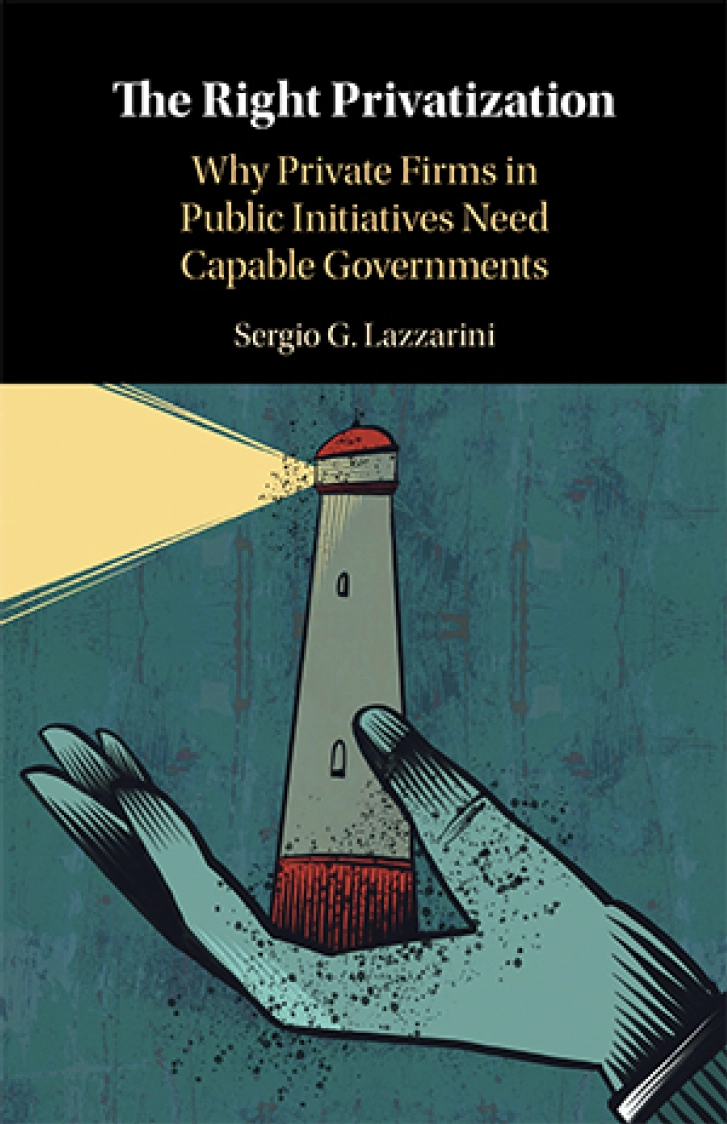
An excerpt from The Right Privatization on why private entrepreneurs need capable governments.

In discussions of diversity, equity, and inclusion, the table is frequently used as a symbol of inclusion. Whether by design or default, the table is accepted as a place to ameliorate issues of marginalization, exclusion, neglect, discrimination, and other harms.

Our investigation into the sustainability reporting of some of the world’s largest companies revealed misleading statements, obfuscation, and diversion. Senior management and auditing and assurance practices must do better.


With an understanding of these 10 funding models, nonprofit leaders can use the for-profit world's valuable practice of engaging in succinct and clear conversations about long-term financial strategy.

The key to creating a vibrant and sustainable company is to find ways to get all employees personally engaged in day-to-day corporate sustainability efforts.

The era of corporations integrating sustainable practices is being surpassed by a new age of corporations actively transforming the market to make it more sustainable. Open access to this article is made possible by The Regents of the University of Michigan on behalf of the Erb Institute.

Business leaders play vital roles in the nonprofit sector – as board members, donors, partners, and even executives. Yet all too often they underestimate the unique challenges of managing nonprofit organizations.

Understanding these six important differences will both facilitate better conversations and help channel funds appropriately.