


A New Plastic Alternative
Solubag’s founders want to emulate the feel of single-use plastic bags while leaving no trace.

Solubag’s founders want to emulate the feel of single-use plastic bags while leaving no trace.

Through cross-sector partnerships and identifying ways to meet the needs of the community, China-based Blued is a business success story that also proves to be an asset for LGBTQ rights, ensuring that members’ voices are both heard and visible.

Entrepreneurs have launched a bold new democratic practice to save the environment in China.
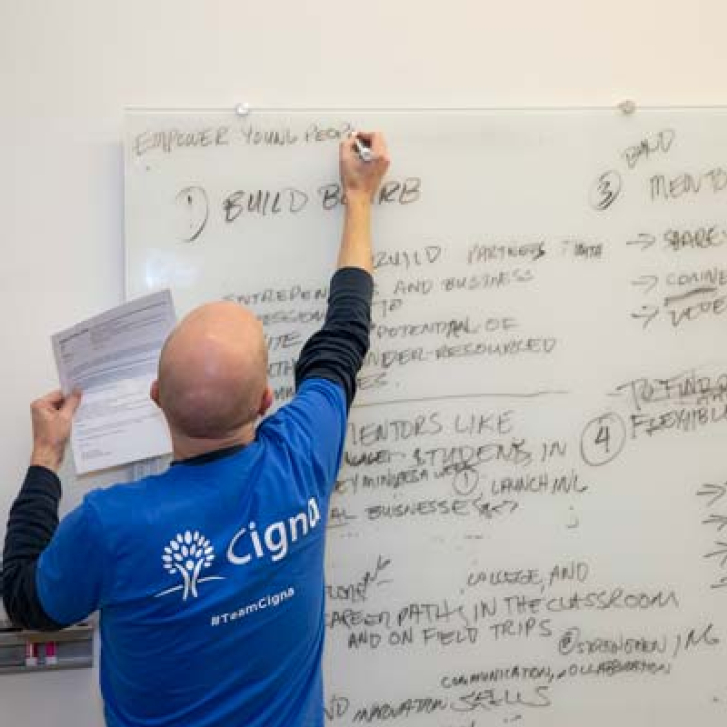
Three models for day of service programs, sometimes referred to as hackathons or flash consulting, can deliver community and business impact, while increasing employee engagement and requiring less initial commitment.

There is no single path to successful digital philanthropy in China, but a new study provides six questions that stakeholders should ask themselves as they begin to develop their strategies.


With an understanding of these 10 funding models, nonprofit leaders can use the for-profit world's valuable practice of engaging in succinct and clear conversations about long-term financial strategy.

The key to creating a vibrant and sustainable company is to find ways to get all employees personally engaged in day-to-day corporate sustainability efforts.

The era of corporations integrating sustainable practices is being surpassed by a new age of corporations actively transforming the market to make it more sustainable. Open access to this article is made possible by The Regents of the University of Michigan on behalf of the Erb Institute.

Business leaders play vital roles in the nonprofit sector – as board members, donors, partners, and even executives. Yet all too often they underestimate the unique challenges of managing nonprofit organizations.

Understanding these six important differences will both facilitate better conversations and help channel funds appropriately.